Franconian Wine Region Germany: Würzburg Guide
Franconian wine region guide: Würzburg Residence, the Old Main Bridge, Silvaner and Bocksbeutel, wine festivals, and a car-free day trip.
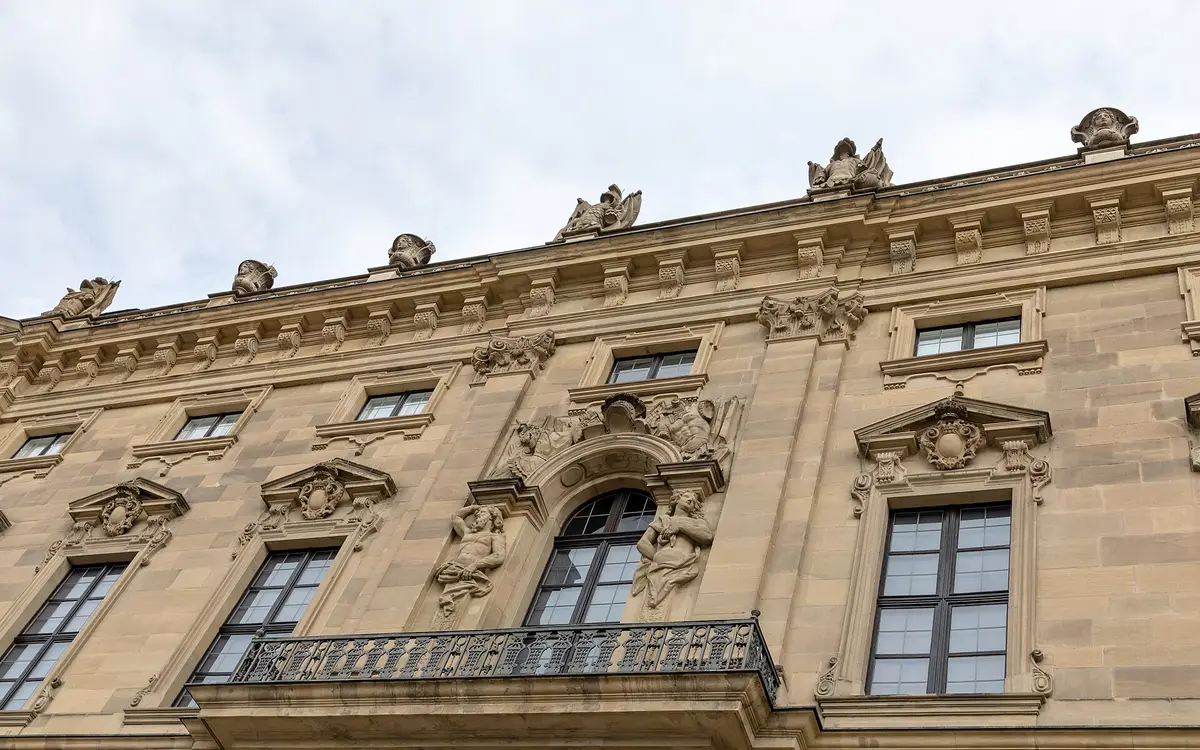
Würzburg is the main city of the Franconian wine region in northern Bavaria, and it is worth a trip for a weekend or a long day. You get a UNESCO-listed baroque palace, a fortress above the Main, vineyards inside the city limits and the flat Bocksbeutel bottle that Franconian wine is known for. All of it is walkable from the station.
Many expats in Germany know Rhine and Mosel wine and overlook Franken, which is a pity. Franconia is easy to reach by train, it does not need a car, and the wine here is mostly dry. This guide covers what to see in Würzburg, what Frankenwein actually is, how to reach the wine villages along the Main and how to plan the day. Figures are a snapshot from October 2026, so check the official sites before you book.
Quick facts
- Getting there: about 55 minutes by ICE from Nuremberg, roughly 1 hour 10 minutes to 1.5 hours from Frankfurt, about two hours from Munich. From Berlin plan on a long journey of around four hours or more, so check bahn.de.
- Best time: late spring to early autumn, when the wine festivals run. Autumn is harvest season in the vineyards.
- Cost: the Residence costs 10 euros (9 reduced) in 2026 and is free for under 18s. Wine by the glass and a simple lunch are the other main costs. Check current prices on the official site.
- Time needed: one full day covers the city, or two days if you add a wine village.
- Ticket tip: the Deutschlandticket works on regional trains and local buses, not on ICE trains. A regional train from Nuremberg is slower but can be covered by the ticket you already own.
Is Würzburg worth a trip?
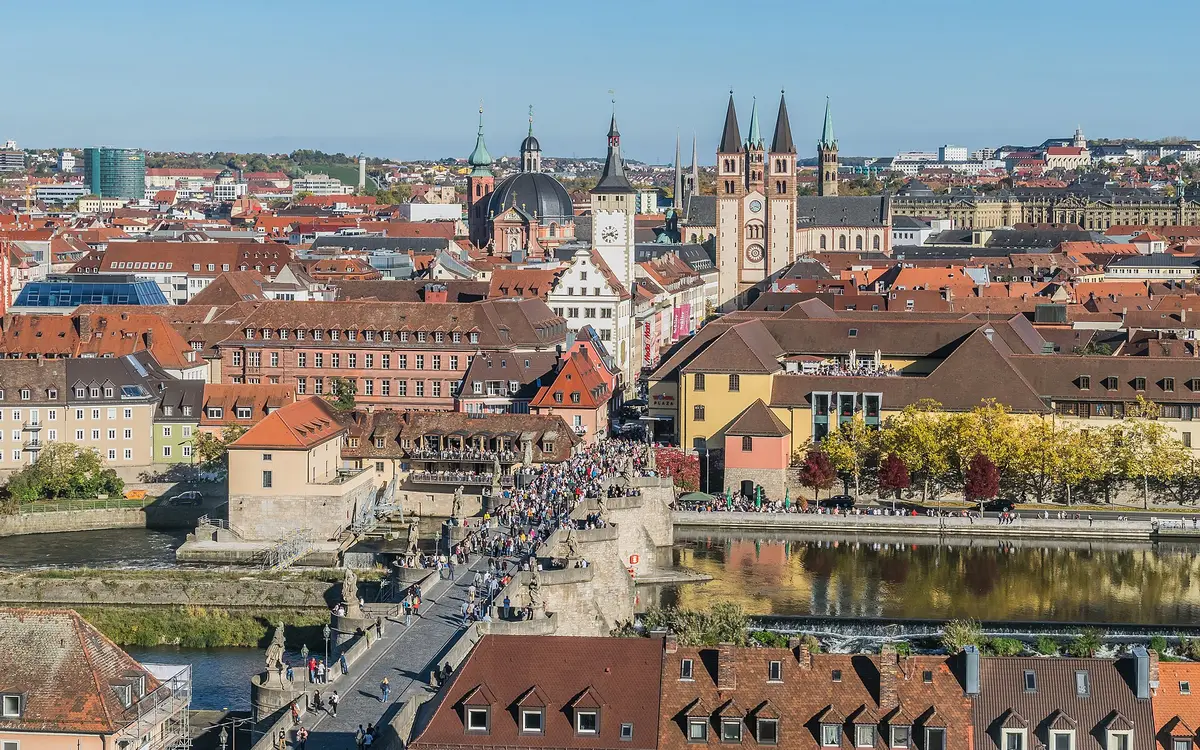
Yes, especially if you like compact cities. The centre is small, the main sights sit within a 20-minute walk of each other and the wine culture is part of daily life rather than a tourist show. Locals meet at wine bars and stalls on the bridge and in the squares after work.
It also works as a base for Franconia. Nuremberg and Bamberg are both on the same side of the region, so Würzburg fits into a longer Bavarian rail trip. If you are building a list of weekends away, our guide to weekend trips in Germany by train shows how it compares with other destinations.
What is the Würzburg Residence?
The Würzburg Residence is the baroque palace of the former prince-bishops and a UNESCO World Heritage Site. It is the first stop for most visitors. The Bavarian palace administration runs it, and the official page lists the visiting details.
- Hours: April to October daily 9:00 to 18:00 (last entry 17:15). November to March daily 10:00 to 16:30 (last entry 16:00).
- Closed: 1 January, Shrove Tuesday, and 24, 25 and 31 December.
- Tours: English-language tours run daily at 11:00 and 15:00. They last about 30 minutes and are included in the ticket.
- Court Garden: open daily until dusk, at 20:00 at the latest.
Hours and prices come from the Residence's official visitor page. Budget about 90 minutes inside and some time in the garden afterwards.
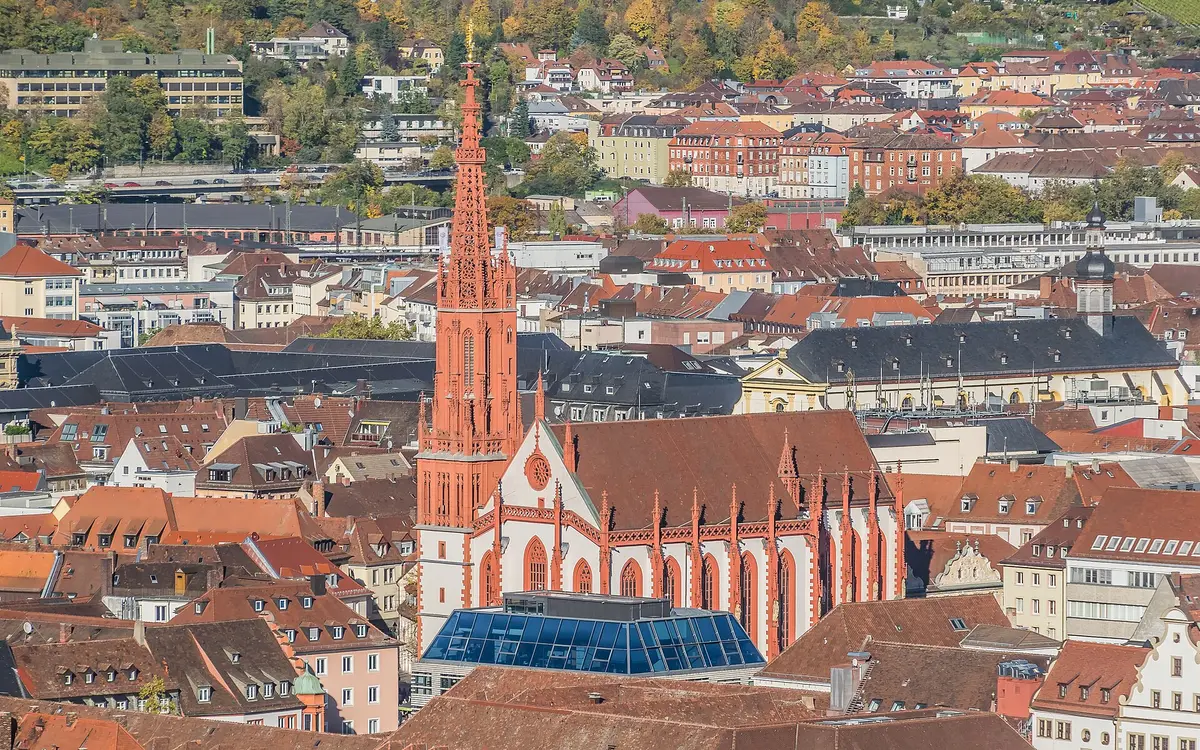
The Marienkapelle on the market square is another sight in the compact old town, within the 20-minute walking radius mentioned above.
What is the Old Main Bridge, and why do people drink wine on it?
The Alte Mainbrücke is the stone pedestrian bridge across the Main, lined with statues of saints. In summer, wine sellers set up on it and people stand with a glass of local wine looking at the river and the fortress. The local word for this is Brückenschoppen, a small glass on the bridge.
Opening times of the stalls vary by season and weather, so treat it as an evening or afternoon stop rather than a fixed appointment. The view from the middle of the bridge takes in the fortress on one side and the vineyard slope below it. Drink in moderation here: you still have a train home, and public transport is the sensible way back.
What is Festung Marienberg?
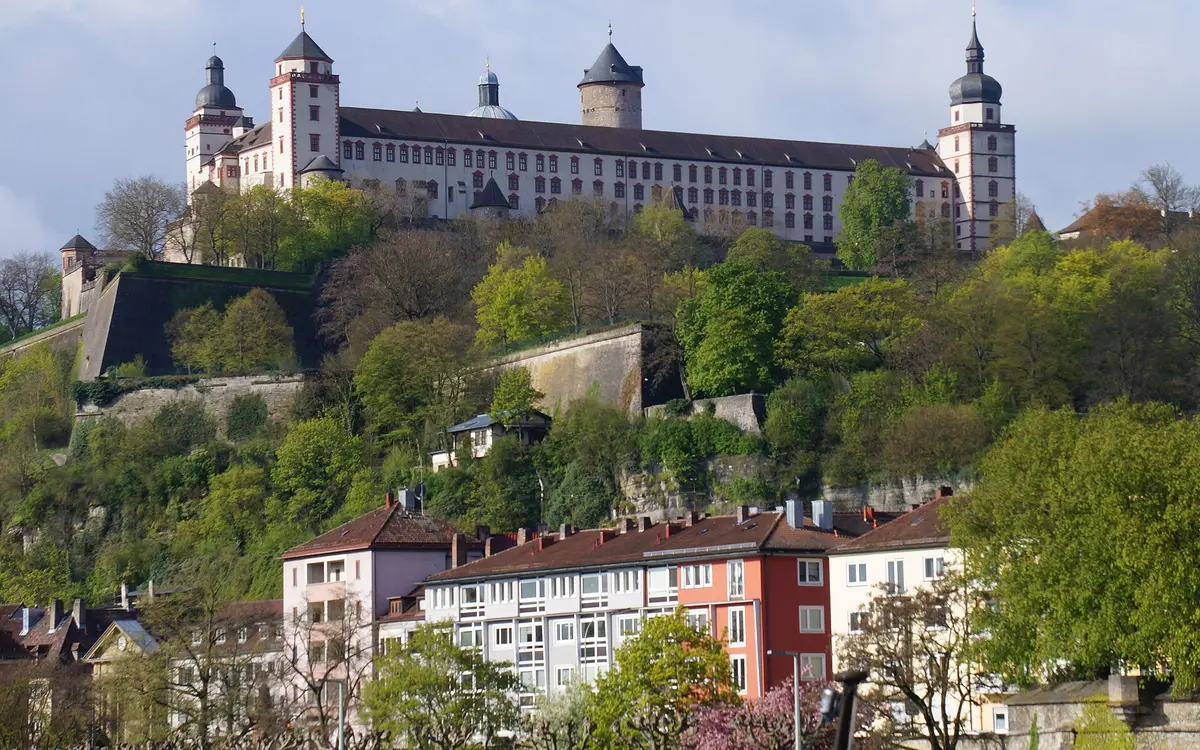
Festung Marienberg is the fortress on the hill across the river from the old town. It was the seat of the prince-bishops before they built the Residence, and it now houses the Museum für Franken. You can walk up from the bridge through the vineyards in about 20 to 30 minutes, which is a good way to see the grapes up close. The museum covers Franconian art and history. Check the museum's own site for hours and ticket prices before you go.
What are the Bürgerspital and Juliusspital wine estates?
Both are historic charitable foundations in the city that also run wine estates. The Bürgerspital was founded in 1316, and its first vineyards followed in 1334, according to the estate's own history. The Juliusspital was founded in 1576 by Prince-Bishop Julius Echter. Both sell their own wines, and the Juliusspital is known as the home of the embossed Bocksbeutel, according to the Wines of Germany region page for Franken.
Both have wine bars or restaurants in the city centre, and the estates host events through the year. Book cellar tours and tastings through their own websites, because availability and prices change.
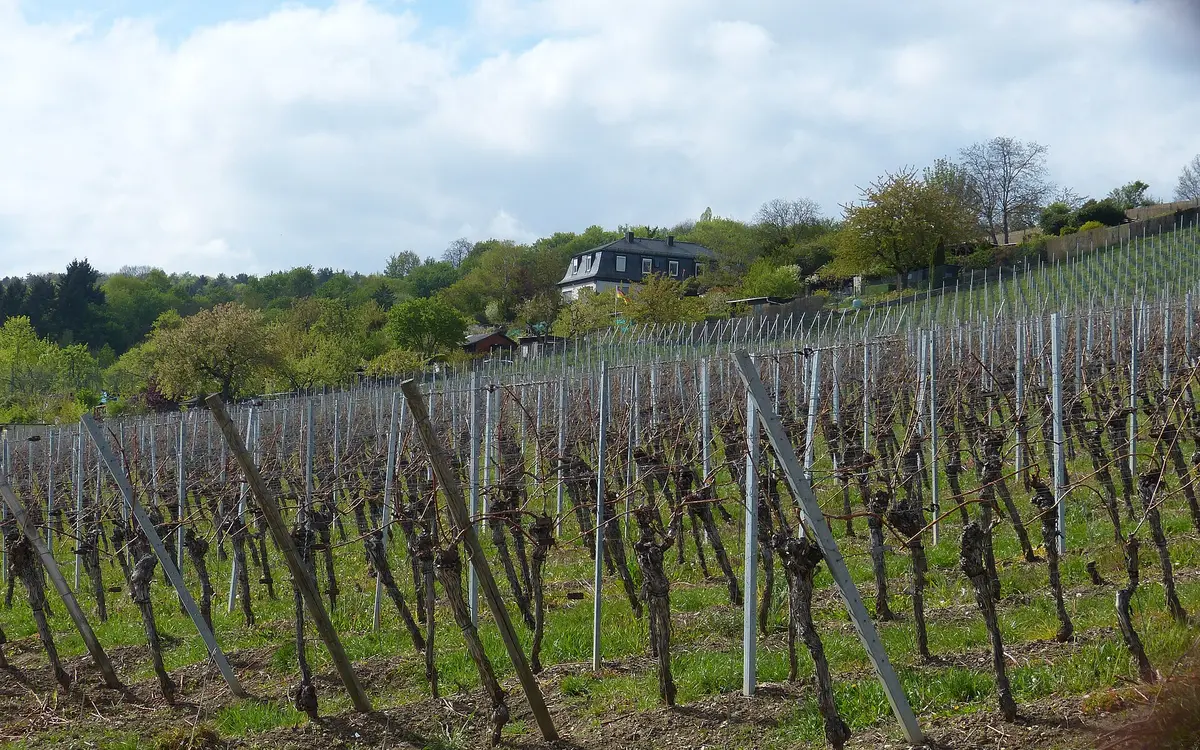
What is the Stein vineyard?
The Würzburger Stein is the famous hillside vineyard right under the fortress, within the city. It gave its name to "Steinwein", the traditional label for Würzburg wine. Weingut am Stein sits on the slope, and the city's wine festival listing includes a summer event there called Wein am Stein, with views of the fortress and the Käppele pilgrimage church. The 2025 edition ran in July, so expect a similar window, but confirm the date on the city's wine festival page.
What is Frankenwein, and what is a Bocksbeutel?
Franken is the German name for the Franconian wine region, and it is the only German wine region located entirely in Bavaria. According to Wines of Germany, its growers cultivated about 6,040 hectares of vines in 2025. About 83 percent of the wine is white.
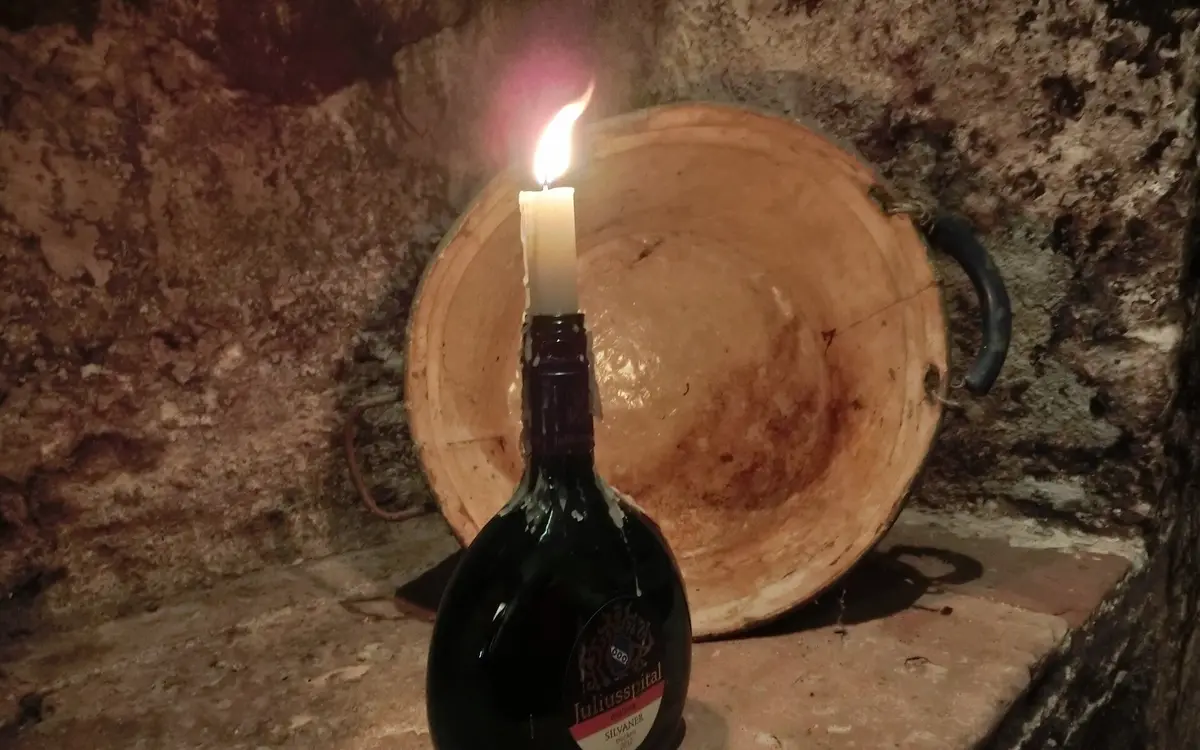
The signature grape is Silvaner, which covers about 1,536 hectares, roughly a quarter of the region. It grows well on the local limestone soils and usually gives a dry, earthy white wine that goes with food. Müller-Thurgau is the second most planted grape, with about 1,298 hectares.
The Bocksbeutel is the flat, round-bellied bottle used for traditional Franconian wine. You will see it on shelves all over Würzburg, though many modern estates also bottle in standard shapes. If you are curious about food to pair with the wine, our guide to German food culture explains what to order.
When are the Würzburg wine festivals?
The city lists several events across the year. Based on the city's 2025 listing, the usual pattern is (the 2025 dates below are official; 2026 dates come from secondary listings):
- Würzburger Weindorf: the 2026 edition was listed for 29 May to about 7 June (listings differ on the end date).
- Hofgarten Weinfest: in the Residence court garden, late June to early July in 2025.
- Wein am Stein: at Weingut am Stein, July in 2025.
- Weinparade Würzburg: the 2026 dates are not confirmed here (the 2025 edition ran 28 August to 7 September).
- Night of the Open Wine Cellars: four estates open their cellars in November (22 November in 2025).
- Dettelbach wine festival: usually early June at the Mainlände; confirm the date with the town of Dettelbach.
I could not find confirmed 2027 dates, so check the organisers before you plan around a festival. The harvest takes place in autumn. Its exact timing depends on the year and the grape, so ask the estates or the regional tourism board if you want to see the picking.
Can you do a wine day without a car?
Yes. Würzburg itself is walkable, and you can cover the Residence, the old town, the bridge and the Stein by foot. For a wine village, Dettelbach is a good pick. It is a small wine town on the Main with a largely preserved medieval town wall and the Maria im Sand pilgrimage church. The railway station is outside the town centre, so you may need a bus or a taxi from there. Look up the current connection in the DB Navigator app for your date. If you have recently moved to Germany and are still sorting out the basics, our comparison of the best private health insurance providers is worth reading before you commit to a policy.
The Deutschlandticket covers regional trains and local buses in the area, but check each leg before you travel. Do not assume river boats or the Main ferries are included. They are usually operated separately, so ask the operator.
Also plan around alcohol. Do not drive after wine tasting. If you go by bike or on foot, allow time and keep the last return train in mind. Cycling the Main is popular, but riding after drinking is still risky and can have legal consequences.
How do you get to Würzburg from Frankfurt, Nuremberg, Munich and Berlin?
Würzburg Hauptbahnhof is on the main north-south line. These are typical ICE times from third-party timetable pages and are not checked against the DB timetable, so confirm on bahn.de:
- Nuremberg: about 51 to 59 minutes. Regional trains also run and are slower.
- Frankfurt: from about 1 hour 10 minutes to 1.5 hours.
- Munich: about two hours.
- Berlin: roughly four hours or more, so check bahn.de for the best connection.
Check for planned engineering works on the Frankfurt and Munich routes in late 2026, as timetable changes affect journeys. Our guides to Nuremberg and Bamberg work well as a combined Franconian weekend. If you like wine regions, the Saale-Unstrut wine region is another one to visit by train.
Plan your visit: a sample one-day route
- 09:30: arrive at Würzburg Hauptbahnhof and walk to the old town, about 15 minutes.
- 10:00: coffee near the Dom (cathedral) and a walk through the centre.
- 11:00: Residence, including the English tour at 11:00 if you time it right, or the self-guided rooms.
- 13:00: lunch at a wine restaurant such as those run by the Bürgerspital or Juliusspital, with a glass of Silvaner.
- 14:30: walk to the Old Main Bridge and cross it.
- 15:00: walk up through the vineyards to Festung Marienberg (20 to 30 minutes).
- 16:30: descend via the Stein vineyard and look at the view.
- 17:30: Brückenschoppen on the bridge in season, or a wine bar in the old town.
- 19:00: dinner, then the train home.
On a budget, remember that costs mostly come from tickets, lunch and wine. For context on what you spend elsewhere in Germany, see our cost of living guide.
FAQ
What is the Franconian wine region?
Franken is a wine region in northern Bavaria around the Main, with about 6,040 hectares of vines. Silvaner is its best-known grape, and Würzburg is its centre.
What is a Bocksbeutel?
A Bocksbeutel is a flat, round-bellied bottle used for traditional Franconian wine. Juliusspital in Würzburg is known as the home of the embossed Bocksbeutel.
Can I visit Würzburg as a day trip?
Yes. It is about 55 minutes from Nuremberg and roughly one to 1.5 hours from Frankfurt by ICE. One day covers the Residence, the bridge and the fortress.
Is the Würzburg Residence worth the ticket?
Yes, if you like baroque architecture. It is a UNESCO World Heritage Site, and the ticket includes a 30-minute guided tour. English tours run daily at 11:00 and 15:00.
Does the Deutschlandticket cover the trip?
It covers regional trains and local buses but not ICE trains. Check boats and ferries separately with the operator.