Moving to Frankfurt
Moving to Frankfurt as an expat: neighborhoods, cost of living, Anmeldung, health insurance, finance jobs, and what life there is really like.
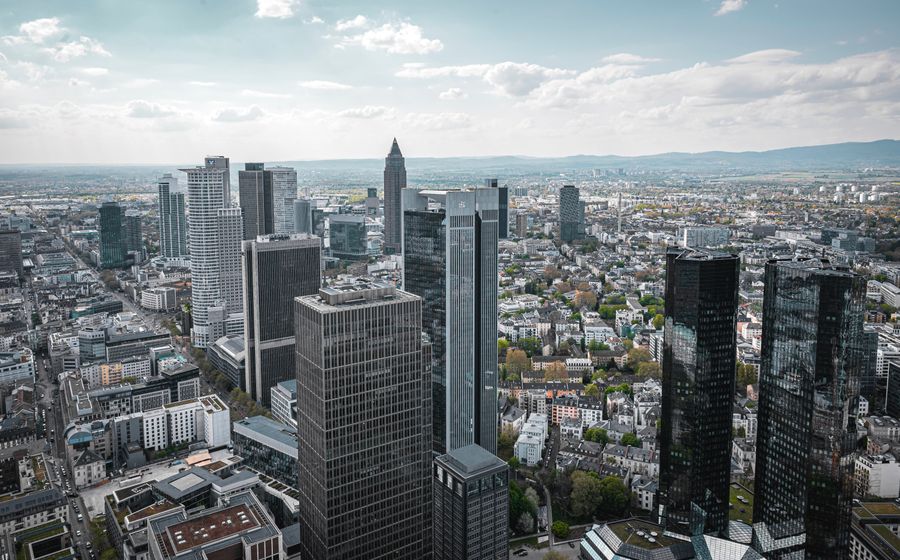
Moving to Frankfurt means moving to the financial heartbeat of continental Europe. Frankfurt am Main is Germany's fifth-largest city with approximately 770,000 residents, compact by German standards, but punches far above its size. It hosts the European Central Bank (ECB), Deutsche Bundesbank, and more major international banks than any other city in Europe. Frankfurt's airport is Europe's second busiest, making it the continent's most connected hub.
After Brexit, Frankfurt became the primary destination for financial institutions relocating from London to the EU. This has driven significant growth in the international expat community, particularly in banking, compliance, and fintech. This guide covers what that means for expats moving here in 2026.
Why expats choose Frankfurt
- Europe's undisputed finance capital, unmatched for banking and financial careers
- Most international expat community of any German city
- Europe's best-connected airport, global travel is easy
- High salaries, especially in finance and consulting
- Compact city, 30 minutes from anywhere to anywhere
- Strong English-language infrastructure (schools, medical, legal)
- Frankfurt Stock Exchange, ECB, and major institutions all here
- City feels smaller and less culturally vibrant than Berlin or Hamburg
- Rents are high, comparable to Munich in central areas
- Finance culture dominates, work hours and work culture are demanding
- Less "green" city than Munich or Hamburg
- The Sachsenhausen district can be rowdy on weekends
- Public transport is good but the city is dominated by commuter traffic
Best neighborhoods for expats in Frankfurt
Frankfurt is a compact city, most areas are within 20 minutes of the banking district (Bankenviertel). The city has several distinct residential neighborhoods, each with its own character:
| Neighborhood | Character | 1-bed rent (approx) | Best for |
|---|---|---|---|
| Westend | Frankfurt's most prestigious residential area. Beautiful Gründerzeit buildings, walking distance to ECB and Bankenviertel. Popular with bankers. | €1,800–3,000 | Finance expats, senior professionals |
| Sachsenhausen | South bank of the Main. Traditional apple wine bars, museum embankment (Museumsufer). Mixed international community. | €1,400–2,000 | Young professionals, expats wanting local culture |
| Nordend | Residential, leafy, popular with young professionals and families. Great café scene. Strong international presence. | €1,400–2,000 | Young expats, creatives, families |
| Bornheim | Charming, less gentrified, independent shops and restaurants. Popular with expats looking for a more authentic Frankfurt. | €1,200–1,700 | Budget-conscious expats, families |
| Bockenheim | Student and university district. Goethe University campus. Affordable and lively. | €1,100–1,600 | Students, young expats on lower budgets |
| Bad Homburg / Taunus suburbs | Affluent suburbs 20–30 minutes north of Frankfurt. Popular with families and senior finance expats. International schools, larger apartments. | €1,500–2,500 | Families, corporate expats with relocation packages |
Tip: Nordend and Bornheim offer the best balance of quality of life and relative affordability for expats who aren't on a banking-sector salary. Westend is the prestige address for finance expats. Families with international school requirements often look at Bad Homburg, Kronberg, or Königstein in the Taunus hills, excellent quality of life and better value per square metre.
Cost of living in Frankfurt (2026)
| Expense | Monthly cost |
|---|---|
| 1-bedroom apartment (central) | €1,500–2,500 |
| 1-bedroom apartment (outer districts) | €1,100–1,600 |
| Groceries (one person) | €270–400 |
| RMV monthly travel card | €57 (Deutschlandticket) |
| Gym membership | €30–80 |
| Health insurance (GKV, employee) | €280–620 (salary-based) |
| Health insurance (private, under 35) | €210–350 |
| Eating out (mid-range restaurant, per meal) | €15–28 |
| Apple wine (Apfelwein) at an Ebbelwoi pub | €3–5 (0.3L) |
Frankfurt is comparable to Munich in central areas, significantly more expensive than Berlin. The key difference is income: Frankfurt finance salaries are among the highest in Germany and Europe. For those on banking-level compensation packages, Frankfurt's cost of living is very manageable. For expats in other sectors, it can feel expensive relative to what the city offers culturally.
Anmeldung in Frankfurt
Frankfurt's Anmeldung process is handled through the city's Bürgerämter. Frankfurt has a large international community and its offices are more experienced with expat documentation than smaller German cities:
- Online booking at frankfurt.de/buergeramt. Appointments typically available 2–4 weeks in advance.
- Multiple Bürgeramt locations across the city, central (Zeil) and district offices. Outer offices generally have shorter waiting times.
- Frankfurt Welcome Center at the Rathaus offers dedicated expat support, often with English-speaking staff, particularly useful for Blue Card holders and post-Brexit EU relocation cases.
- Wohnungsgeberbestätigung required: get it signed by your landlord before your appointment.
Full Anmeldung guide with documents and process →
Finding an apartment in Frankfurt
Frankfurt's rental market has tightened significantly since Brexit drove an influx of financial sector expats from London. Central neighborhoods are in very high demand. Post-Brexit relocations from London (2019–2023) pushed rents up sharply; they remain elevated.
What landlords expect from expats
- SCHUFA report: Essential. Frankfurt landlords are pragmatic about expats without German credit history, employer letters and international bank references often accepted.
- Proof of income: Payslips or employment contract. Frankfurt's high rents mean you need a solid income. Aim for net income 3× the rent.
- Employer confirmation letter: Particularly common in Frankfurt. A formal letter on company letterhead confirming your employment and salary carries significant weight.
- Deposit (Kaution): Maximum 3 months' net rent by law.
Where to search
- ImmobilienScout24: Primary platform. Enable instant alerts.
- ImmoWelt: Some listings appear here before Scout24.
- WG-Gesucht: Shared flats, useful bridge accommodation on arrival
- Facebook: "Frankfurt Expats", "Wohnung Frankfurt": Active groups with housing posts
- Corporate relocation agencies: Several Frankfurt agencies specialize in banking expat relocations and furnished short-term rentals
Health insurance for Frankfurt expats
Frankfurt has Germany's highest concentration of finance and consulting expats, and the highest proportion who earn above the private health insurance threshold. The private health insurance calculation is particularly compelling in Frankfurt, where finance salaries commonly exceed €100k+.
For GKV: Techniker Krankenkasse (TK) remains the leading choice for expats. The ECB, Deutsche Bundesbank, and many international banks enroll employees in GKV through their HR systems, TK is commonly pre-selected.
For private health insurance: Frankfurt finance professionals are among the most likely candidates in Germany for private health insurance. At a €120k salary, GKV contributions are capped at the Beitragsbemessungsgrenze (~€750/month employee contribution), while a comparable private plan can cost €350–450/month, a saving of €300–400/month. This adds up to €3,600–4,800/year.
Jobs & work culture in Frankfurt
Frankfurt is where you go in Germany if you work in finance, banking, or consulting. The city's entire culture and economy revolves around the financial sector, this defines Frankfurt's character and its opportunities.
Key industries
- Banking & finance: Deutsche Bank, Commerzbank, DZ Bank, and dozens of major international banks (Goldman Sachs, JPMorgan, Citi, Barclays). The ECB and Deutsche Bundesbank are also here. Post-Brexit, many London-based institutions significantly expanded their Frankfurt headcount.
- Consulting: McKinsey, BCG, Bain, and the Big Four accounting firms all have major Frankfurt presences.
- Fintech: Growing rapidly. N26 has engineering teams here; numerous payment and compliance startups cluster around the banking ecosystem.
- Logistics & trade: Frankfurt Airport generates a huge logistics ecosystem. DHL, Lufthansa Cargo.
- Law: Major international law firms (Freshfields, Clifford Chance, Linklaters) have large Frankfurt offices serving the finance sector.
Salary expectations in Frankfurt (gross, 2026)
| Role | Junior | Mid-level | Senior |
|---|---|---|---|
| Investment Banking Analyst/Associate | €75–100k | €110–160k | €180k+ |
| Risk / Compliance | €55–72k | €75–100k | €105–145k |
| Consulting (Strategy) | €65–85k | €90–120k | €130k+ |
| Software Engineer (Fintech/Bank) | €58–75k | €80–105k | €110–145k |
| Finance / Treasury | €52–68k | €72–95k | €100–135k |
Frankfurt offers some of the highest total compensation packages in Germany, especially in investment banking where bonuses can exceed base salary. Work hours in banking and consulting are also among the longest in Germany.
German in Frankfurt, what you need to know
Frankfurt is Germany's most international city. In the financial district, ECB, and large international banks, English is the de facto working language. This makes Frankfurt unusually accessible for expats who don't speak German.
- Finance and international business operates almost entirely in English. ECB, Goldman Sachs, JPMorgan, McKinsey, internal and often external communication is English-first.
- Daily life requires German. Outside the international business district, shops, local restaurants, and services expect German.
- Hessisch dialect is mild. The Frankfurt/Hessian accent is close to standard German and easy to follow.
- Long-term integration benefits from German. Even in highly international environments, social integration with Germans is significantly easier with German. Children in German schools will need German within 1–2 years.
Frankfurt bureaucracy, what to expect
Frankfurt handles more expat cases than almost any other German city, the finance sector relocations and the ECB presence mean the city has more experience with international residents. Bureaucracy is still German-paced, but processes are more internationally adapted than in most German cities.
- Frankfurt Welcome Center: Dedicated expat service at the Rathaus (muenchen.de/welcomecenter equivalent). English-speaking staff, guidance on registration, residence permits, and city services.
- Ausländerbehörde Frankfurt: For non-EU residence permits. Book 6–10 weeks in advance. Located at Kurfürstenstraße 58–62.
- ECB-specific support: The European Central Bank has a dedicated HR team that handles registrations for ECB employees and their families. If you're joining the ECB, use their onboarding support.
- Online services at frankfurt.de: improving but not fully digital. Check what's available before visiting in person.
Frankfurt-specific moving checklist
Before you arrive
- Book Bürgeramt appointment at frankfurt.de as soon as you have your address
- Arrange short-term furnished accommodation, many agencies specialize in Frankfurt finance expat relocations
- If joining ECB, Bundesbank, or a large bank, use your employer's HR/relocation services, which often fast-track administrative processes
Week 1
- Anmeldung at Bürgeramt
- Open N26 or Deutsche Bank account
- Get German SIM card
- Register with TK for GKV (or confirm employer-arranged coverage)
Weeks 2–4
- Start apartment search, respond to listings within minutes
- Get SCHUFA report
- Book Ausländerbehörde appointment if needed
- Receive Steuer-ID by post
Month 2+
- Review health insurance, if earning over €84,150 (2027 threshold, €77,400 in 2026; Bundesrat approval still expected in November 2026), a private health insurance comparison is especially valuable in Frankfurt at finance-sector salary levels
- Consider suburbs (Taunus) if you have family or want more space
- Explore the Rhine-Main region, Heidelberg, Rüdesheim, and the Rhine Valley are day-trip distance
FAQ
Is Frankfurt worth moving to if you don't work in finance?
How did Brexit affect Frankfurt's expat community?
Is Frankfurt expensive compared to other German cities?
What are the best areas near Frankfurt for families?
Is Frankfurt safe?
Still not sure which insurance fits you?
Independent, English-speaking consultants compare the whole market for you. Free, no commitment, honest about when not to switch.
Partner disclosure: we may receive a referral fee from MyHealthcareBroker when you book a consultation. It is free for you and you are under no obligation.