Moving to Berlin
Moving to Berlin as an expat: neighborhoods, Anmeldung, cost of living, health insurance and jobs, plus what nobody tells you before you arrive.
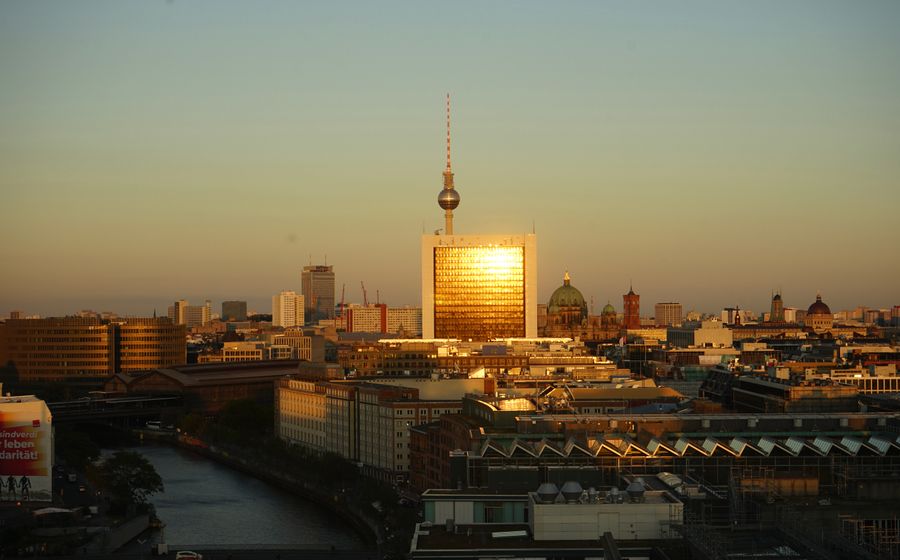
Moving to Berlin is one of the most common expat relocations in Europe. Berlin is Germany's capital and largest city, home to over 3.8 million people including approximately 900,000 foreign nationals. It is the centre of Germany's tech and startup ecosystem, has a thriving arts and culture scene, and offers a significantly lower cost of living than comparable European capitals like London, Paris, or Amsterdam.
This guide covers what's specific to Berlin, the neighborhoods, the bureaucracy quirks, the rental market, and what the general "moving to Germany" guides don't tell you.
Why expats choose Berlin
- Largest English-speaking expat community in Germany
- Lowest rents of any major German city
- Strongest startup and tech scene in Germany (and one of the strongest in Europe)
- Extremely international, you can live a full life in English
- Central location for travel across Europe, plus easy day trips from Berlin by train
- Rich cultural life: museums, clubs, theatre, food and free viewpoints over the city
- Relatively relaxed compared to Munich or Frankfurt
- Bürgeramt appointments notoriously hard to get (book 4–6 weeks ahead)
- Rental market is extremely competitive
- Salaries lower than Munich or Frankfurt, but so is rent
- Berlin bureaucracy is slower and less organized than other German cities
- Public transport is good but often delayed
- Construction everywhere, the city is always being rebuilt
Best neighborhoods for expats in Berlin
Berlin is made up of distinct Bezirke (districts), each with its own character, price level, and expat density. Here's how they compare:
| Neighborhood | Character | 1-bed rent (approx) | Best for |
|---|---|---|---|
| Mitte | Central, touristy, expensive. Government, embassies, museums. | €1,400–2,200 | Short-term stays, corporate expats |
| Prenzlauer Berg | Gentrified, family-friendly, international. Cafés and farmers markets. | €1,200–1,800 | Families, young professionals |
| Friedrichshain | Younger, edgier, more affordable. Strong expat community. | €950–1,400 | Young expats, creatives, tech workers |
| Kreuzberg | Multicultural, vibrant street life, great food. Mix of long-term residents and new arrivals. | €1,000–1,500 | Expats who want authentic Berlin culture |
| Neukölln | Rapidly gentrifying. Most affordable central area. Very international. | €850–1,300 | Budget-conscious expats, artists |
| Charlottenburg | Upscale, quieter, more traditional. West Berlin's historic heart. | €1,300–2,000 | Professionals, older expats, families |
| Pankow / Weißensee | Quieter, increasingly popular with families priced out of Prenzlauer Berg. | €800–1,200 | Families, long-term residents |
Tip: Friedrichshain and Neukölln offer the best value for expats who want to be close to the action without paying Mitte or Prenzlauer Berg prices. For families, Pankow is increasingly the answer to Prenzlauer Berg's rising rents.
Cost of living in Berlin (2026)
| Expense | Monthly cost |
|---|---|
| 1-bedroom apartment (central) | €1,000–1,600 |
| 1-bedroom apartment (outer districts) | €750–1,100 |
| Groceries (one person) | €250–380 |
| BVG monthly travel card (AB zones) | €86 |
| Gym membership | €25–70 |
| Health insurance (GKV, employee) | €250–550 (salary-based) |
| Health insurance (private, under 35) | €190–320 |
| Eating out (mid-range restaurant, per meal) | €12–20 |
| Coffee | €3–5 |
A single professional earning €55,000 gross in Berlin typically has €2,800–3,200/month net after taxes and insurance. A comfortable single-person life (1-bed apartment, groceries, transport, going out) costs around €1,800–2,400/month, leaving meaningful savings room at this salary.
Anmeldung in Berlin, what makes it different
Anmeldung (address registration) is required everywhere in Germany, but Berlin has a reputation for being particularly difficult. Here's why, and what to do about it:
- Appointments are scarce. Berlin's Bürgerämter are chronically understaffed. Book online at service.berlin.de as soon as you have an address, ideally 4–6 weeks before you need the appointment. Slots disappear within minutes of becoming available.
- Walk-in slots exist but are rare. Some Bürgerämter release a small number of same-day walk-in appointments at 7am. Arrive early (6:30am) and queue outside. Not reliable, but possible.
- Third-party booking services. Several services (Anmeldehelfer, etc.) monitor for cancellations and notify you instantly, worth using if you're in a hurry.
- Your landlord confirmation letter is essential. Without the Wohnungsgeberbestätigung signed by your landlord, you cannot register. Get this before your appointment.
Full Anmeldung guide with documents and process →
Finding an apartment in Berlin
Berlin's rental market has tightened significantly since 2020. The city's population grew by over 100,000 people between 2022 and 2025, while housing construction lagged behind. Vacancy rates in desirable districts are below 0.5%.
What landlords expect from expats
- SCHUFA report: German credit check. Get it free at meineschufa.de. As a new arrival, you may have no German SCHUFA history, explain this upfront and offer additional references or a larger deposit.
- Proof of income: Last 3 payslips, or employment contract with salary if you just started. A letter from your employer in English plus a German translation works for most landlords.
- Einkommensnachweise: Your net income should be at least 3× the monthly rent. On a €55k salary (~€2,900 net) you can comfortably apply for apartments up to €900–950/month.
- Deposit (Kaution): Maximum 3 months' net rent by law. Have this in a German bank account ready to transfer immediately.
Where to search
- ImmobilienScout24: Set up alerts and respond within hours of new listings
- ImmoWelt: Second largest platform
- WG-Gesucht: For shared flats (WG), great while you establish yourself
- Facebook: "Berlin Expats Housing", "Zwischenmiete Berlin": often faster than portals
- Kleinanzeigen (formerly eBay Kleinanzeigen): Some private landlords list here directly
Berlin reality check: Expect to apply to 20–40 apartments before getting a viewing. Write a short cover letter in German (or bilingual). Respond to listings within the first hour. Have your full application package (SCHUFA, payslips, passport copy) ready to send immediately after viewing.
Health insurance for Berlin expats
Health insurance works the same in Berlin as the rest of Germany, but provider choice matters more for expats in Berlin because the English-language service quality varies significantly between insurers.
For public health insurance (GKV): Techniker Krankenkasse (TK) is the clear recommendation for Berlin expats. Their English-language app, online registration, and customer service are significantly better than other GKV providers. Registration can be done entirely online in 15 minutes.
For private health insurance: if you earn over €84,150/year (from 2027; €77,400 in 2026) or are self-employed, private health insurance is worth comparing seriously. The 2027 figure was approved by the federal cabinet and still needs Bundesrat approval, expected in November 2026. Berlin has a high concentration of tech workers, startup employees, and freelancers who qualify, and the savings versus GKV are typically €200–500/month.
Jobs & work culture in Berlin
Berlin is Germany's startup capital. The city is home to companies like Zalando, HelloFresh, Delivery Hero, N26, and hundreds of VC-backed startups. It also has a growing presence of international tech companies (Amazon, Google, Twitter/X have significant Berlin operations).
Key industries
- Tech & startups: The dominant sector for expats. Most roles are in English. Salaries are lower than Munich or US equivalents but cost of living is also lower.
- Creative industries: Music, film, media, design. Berlin is one of Europe's most important creative cities.
- Government & NGOs: As Germany's capital, Berlin has a large public sector and international organization presence.
- Tourism & hospitality: Large employer but lower wages.
Salary expectations in Berlin (gross, 2026)
| Role | Junior | Mid-level | Senior |
|---|---|---|---|
| Software Engineer | €45–60k | €65–85k | €90–120k |
| Product Manager | €50–65k | €70–90k | €95–130k |
| Data Scientist | €48–62k | €68–88k | €90–120k |
| Marketing Manager | €40–52k | €55–72k | €75–100k |
| UX Designer | €42–55k | €58–75k | €78–100k |
German vs English in Berlin
Berlin is genuinely the easiest German city to live in without German. In Mitte, Prenzlauer Berg, Friedrichshain, and Kreuzberg, you can work, socialize, rent an apartment, and handle most daily tasks entirely in English.
However, German is still important for:
- Government offices (Bürgeramt, Ausländerbehörde, Jobcenter), staff speak German, some English
- Doctors, many speak English in central Berlin, but appointments and paperwork are in German
- Landlords, many private landlords prefer German speakers
- Long-term residency and citizenship, B1 German required for Niederlassungserlaubnis, B2/C1 for citizenship
Berlin bureaucracy, what to expect
Berlin has a well-documented reputation for slow, disorganized bureaucracy, even by German standards. The Ausländerbehörde (foreigners' registration office) in particular can have appointment wait times of 3–6 months. Here's how to navigate it:
- Book everything as early as possible. Ausländerbehörde, Bürgeramt, Finanzamt, all require appointments. Book the moment you know you need one.
- Come overprepared. Bring originals and copies of every document. Bring a German speaker or translator if your German is limited.
- Follow up in writing. If something is taking too long, a written request (Anfrage) sent by registered mail (Einschreiben) triggers a legal response deadline.
- Use the online services where available. Steuer-ID requests, SCHUFA reports, and some Anmeldung processes can be done online or by post.
- Berlin Welcome Service. The city runs an official relocation service (berlin.de/willkommen) with multilingual support, useful for EU Blue Card holders and their families.
Berlin-specific moving checklist
Before you arrive
- Book Bürgeramt appointment at service.berlin.de (do this immediately when you have an address)
- Arrange temporary accommodation with a real Berlin address, Airbnb hosts often won't provide Wohnungsgeberbestätigung
- Set up job search alerts on LinkedIn, Xing, and startup job boards (Wellfound, Berlin Startup Jobs)
Week 1
- Anmeldung appointment at Bürgeramt, bring all documents
- Open N26 account (works without Anmeldung)
- Get a German SIM (Aldi Talk works, available at Aldi supermarkets)
- Register with TK (Techniker Krankenkasse) online for GKV health insurance
Weeks 2–4
- Start apartment search on ImmobilienScout24 and join Berlin expat Facebook housing groups
- Get SCHUFA report at meineschufa.de (free annual report)
- Open Ausländerbehörde appointment if you need a residence permit
- Receive Steuer-ID by post, give to employer
FAQ
Is Berlin good for expats who don't speak German?
How long does it take to find an apartment in Berlin?
How much money do I need to move to Berlin?
Is Berlin safe?
Can I move to Berlin without a job offer?
Is Berlin expensive compared to other European capitals?
Still not sure which insurance fits you?
Independent, English-speaking consultants compare the whole market for you. Free, no commitment, honest about when not to switch.
Partner disclosure: we may receive a referral fee from MyHealthcareBroker when you book a consultation. It is free for you and you are under no obligation.