Bamberg Germany Travel Guide: Old Town, Rauchbier, Trains
Bamberg Germany travel guide for expats: UNESCO old town, Little Venice, the cathedral, Rauchbier, train times from Nuremberg, Munich and Berlin.
Bamberg is a small Franconian city in northern Bavaria whose whole old town is a UNESCO World Heritage Site. It is known for its medieval centre, a cathedral with a famous horseman statue and Rauchbier, a beer with a smoky flavour. It is well worth a trip, and one day is enough to see the main sights.
If you live in Germany, Bamberg is an easy weekend or day trip, especially from Nuremberg, Munich or Berlin. This guide covers what to see, how to get there, what it costs and how to plan the day. Check opening hours and prices on the official sites before you go, because they change.
Quick facts
- Getting there: about 40 minutes by train from Nuremberg, about 1 hour 45 minutes from Munich and about 2 hours 45 minutes from Berlin (example times from the University of Bamberg's travel page; some Munich trains change at Nuremberg).
- Best time: late spring to early autumn for beer gardens and river walks. December suits the Rauchbier taverns.
- Cost: walking the old town is free. Museum entry and meals are the main costs.
- Time needed: one full day for the highlights, a weekend if you want the hills and several museums.
- Ticket tip: the BAMBERGcard costs 22 euros per person, lasts 3 days and includes local buses and several museums, according to the city tourism site.
- Deutschlandticket: it covers regional trains, so the Regional Express from Nuremberg works. It does not cover ICE trains.
Why is Bamberg a UNESCO World Heritage Site?
UNESCO listed the Town of Bamberg in 1993 as an outstanding, representative example of an early medieval town in central Europe. Its layout and architecture also shaped how towns developed in the region from the 11th century on, according to the UNESCO World Heritage Centre.
The listed area is not one monument but the whole historic town. It combines three districts: the episcopal town on the hill, the island town between the river arms and the market gardeners' town. You see all three on foot in a day, and the contrast between them is the reason to visit.
What are the main things to do in Bamberg?
The old town is compact and mostly flat, apart from the hills. The sights below are listed in the order of a natural walk.
Altes Rathaus on its river island
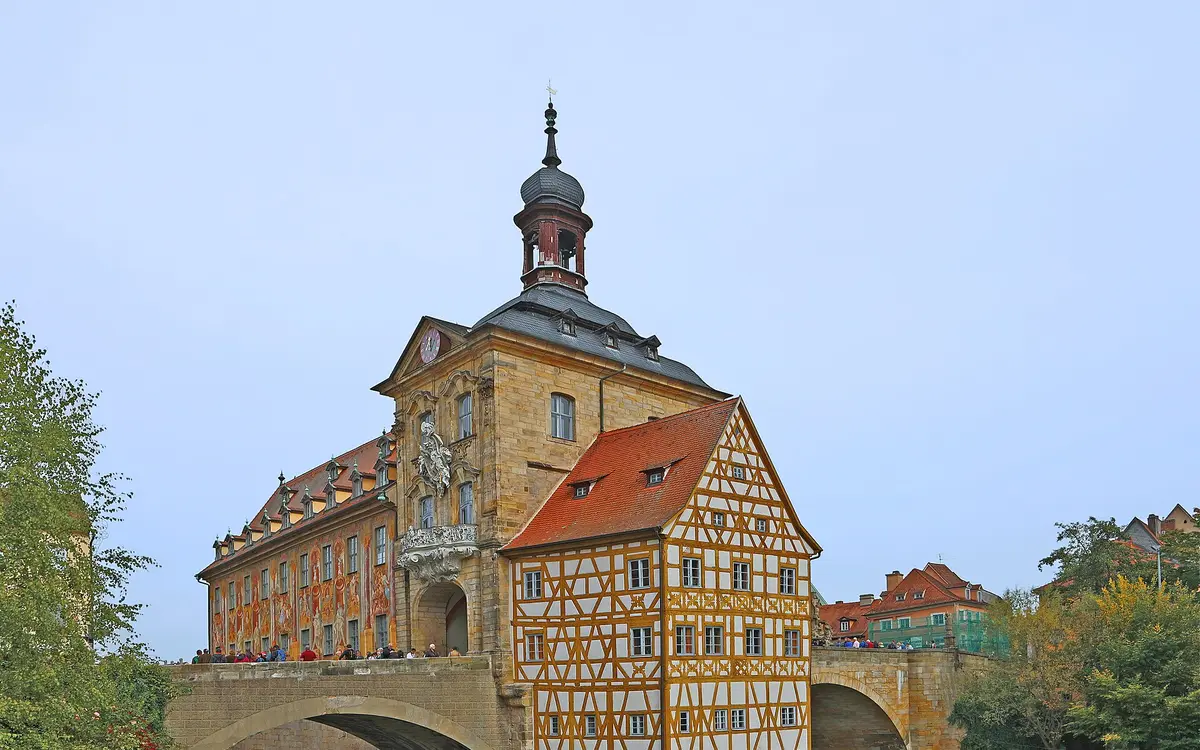
The Old Town Hall sits on an artificial island in the Regnitz, reached by two bridges. Its facade is covered in frescoes, and a half-timbered house is attached to one side. Sources disagree on the exact building date, so treat any single year with caution. It is the best-known photo spot in the city, and you can view it from both bridges.
Klein-Venedig (Little Venice)
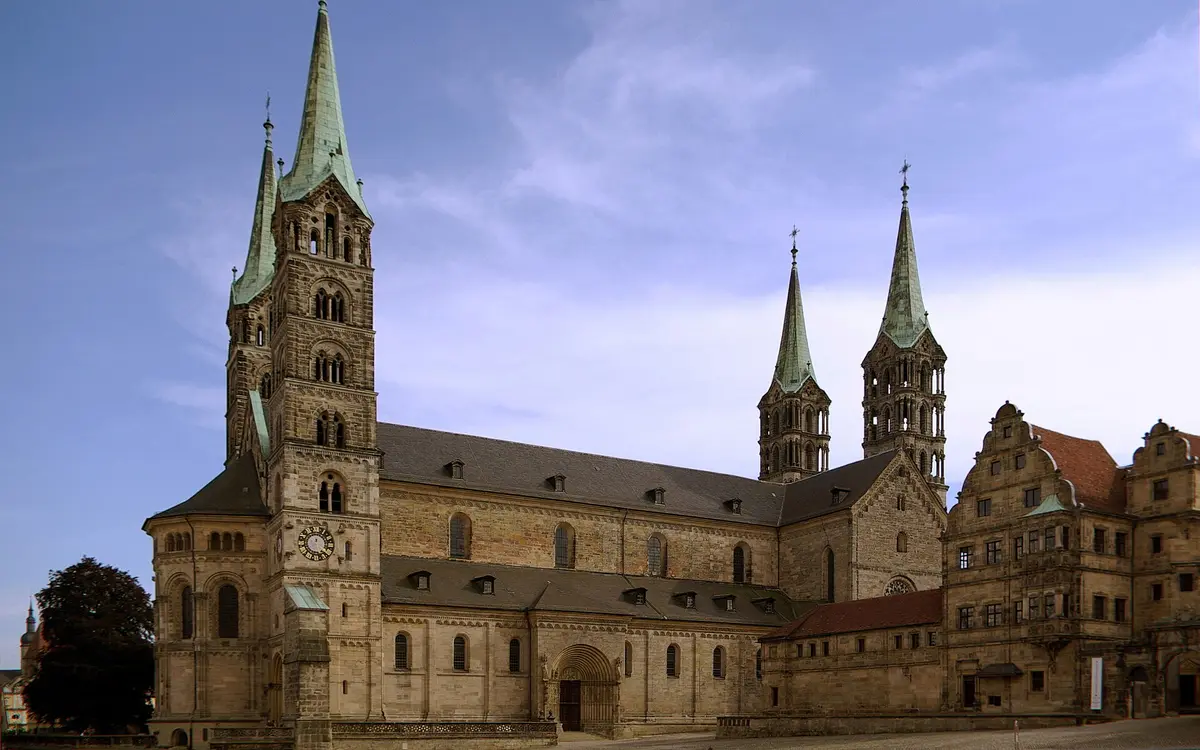
Little Venice is the former fishing quarter along the Regnitz. Its half-timbered fishermen's houses stand directly on the water. Walk the riverside lane in the morning when it is quiet, then look back at the houses from the bridge for the best view.
Bamberger Dom and the Bamberg Horseman
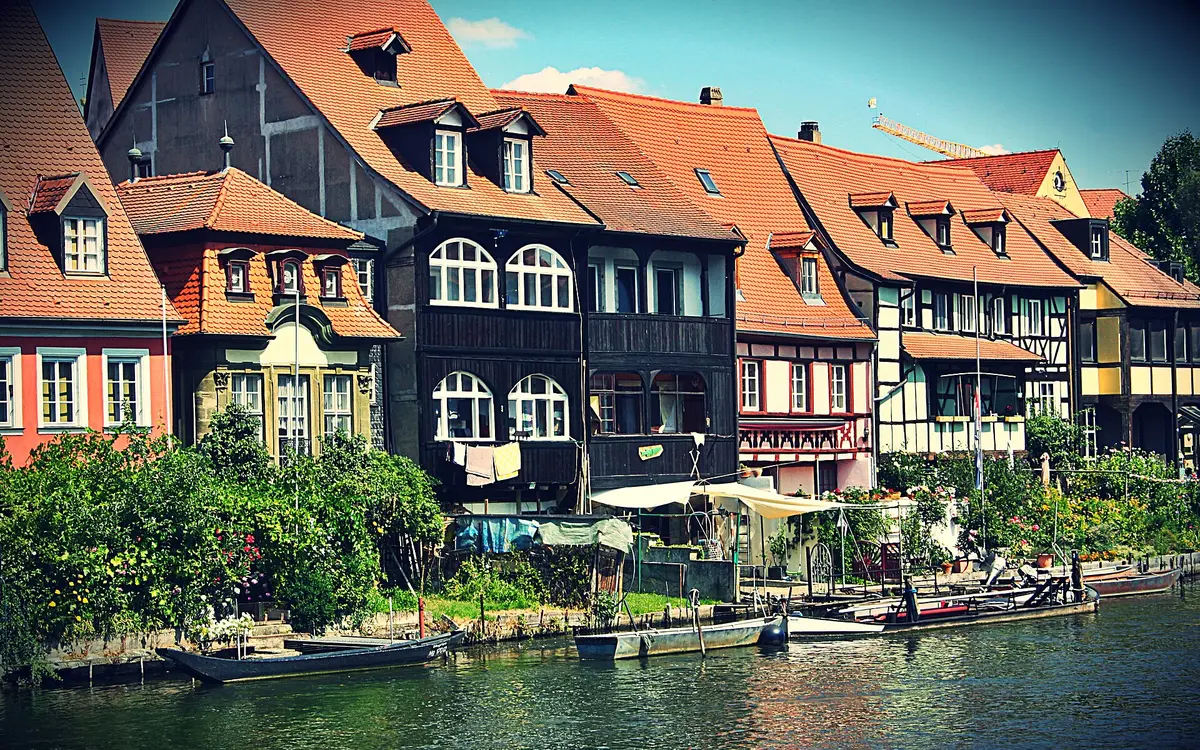
The current cathedral was built after a fire in 1185 destroyed its predecessor, and it was consecrated in 1237, according to the cathedral's own information. Inside, look for three things:
- The Bamberger Reiter: a horseman statue dated to the first half of the 13th century, standing on a pillar in the choir. Who it shows is still debated.
- The tomb of Emperor Henry II and Empress Kunigunde: a high tomb carved by Tilman Riemenschneider around 1500 to 1513.
- The grave of Pope Clement II: the only papal grave in Germany.
Opening hours vary by season and by service times, so check the cathedral website before you go.
The Bergviertel and its hills
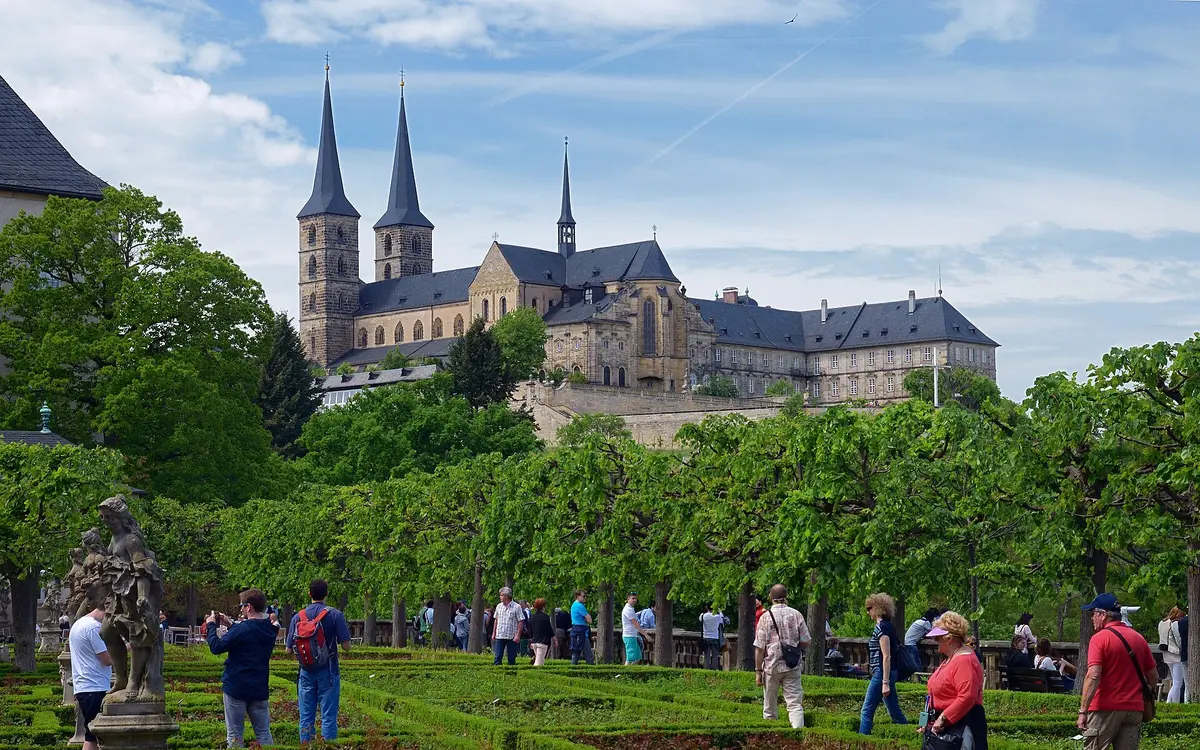
Bamberg is often called a city on seven hills. The hill quarter, the Bergviertel, is where you get views over the roofs. Two stops are worth the climb. The former Benedictine abbey Michaelsberg, founded in the early 11th century, is roughly a ten-minute walk from the cathedral square.
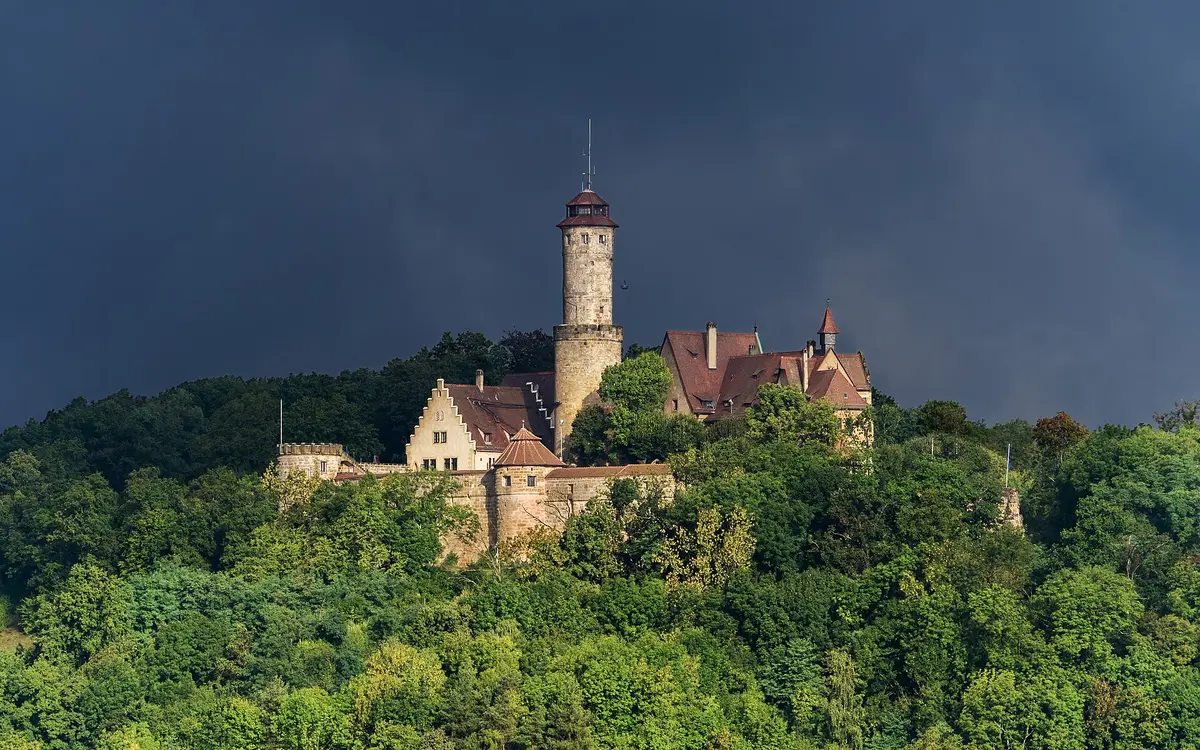
The Altenburg castle sits on the highest hill and has a beer garden. Church interiors can close for renovation, so check before you plan around one.
Museums
The BAMBERGcard includes free entry to numerous museums, among them the Diocesan Museum, the Historical Museum, the Levi Strauss Museum and the Natural History Museum. The tourist office's lists differ, so check the current list when you buy. Some close on Mondays or Wednesdays and over winter, per the official BAMBERGcard page.
What is Rauchbier and where do you try it?
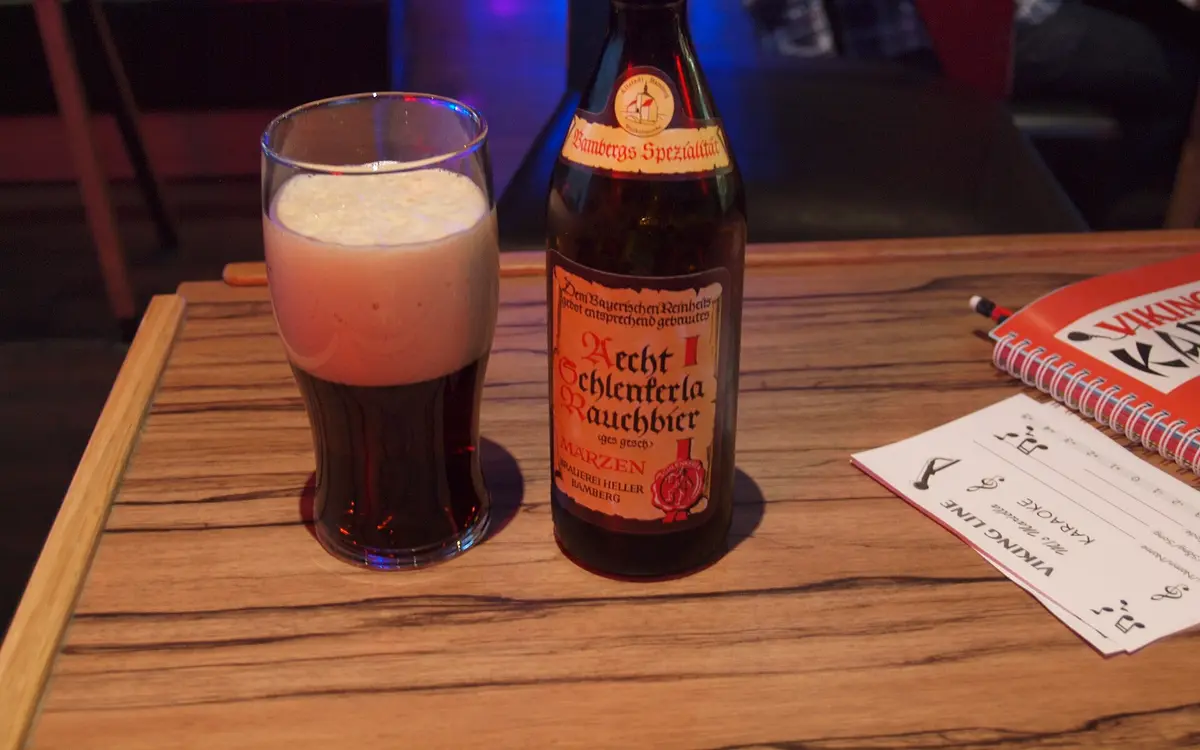
Rauchbier is a beer with a smoky taste, similar to bacon or smoked ham, and it is the drink most associated with Bamberg. If you have never had it, the first sip is unusual and the second is easier. Order a small glass first.
The best-known place is Schlenkerla, a historic tavern at Dominikanerstrasse 6. The house is first documented in 1405, according to the tavern's own chronicle, and the Trum family still runs it. Opening times vary, so confirm them on schlenkerla.de. Rauchbier is also served in other Bamberg pubs, so you do not need to queue at one place.
What should you eat in Bamberg?
Franconian cooking is hearty, meat-led and made for beer. A local dish worth ordering is the Bamberger Zwiebel, a hollowed onion filled with minced meat and bacon, baked and often served with a Rauchbier sauce. It points back to the market gardeners' district, where onions were once a main crop. Locals are nicknamed Zwiebeltreter, or onion treaders, after that farming practice.
Dishes vary by tavern, and menus change, so ask what the kitchen does best. For more on regional eating, read our guide to German food culture.
How do you get to Bamberg by train?
Bamberg has a main station in the east of the old town, a short walk or bus ride from the centre. Example journey times from the University of Bamberg's travel page:
- From Nuremberg: about 40 minutes.
- From Munich: about 1 hour 45 minutes.
- From Berlin: about 2 hours 45 minutes. This makes Bamberg a long day trip and a better weekend trip.
Check current times and prices on bahn.de, as the timetable changes on weekends and holidays.
Does the Deutschlandticket cover Bamberg?
It depends on the train. The Deutschlandticket is valid on local and regional trains (RB, RE, S-Bahn) and buses, but not on ICE or IC trains. From Nuremberg, a Regional Express takes you to Bamberg at no extra cost. From Munich or Berlin, the direct ICE is not covered, so you either buy a fare ticket or build a slower regional route. Look at the connection details on bahn.de, and read our weekend trips by train guide for ticket advice. If you have only just arrived, it also pays to get your health insurance as a newcomer in Germany sorted before you start exploring.
When is the best time to visit?
Late spring through early autumn is the easiest season, with outdoor seating and long evenings. Summer weekends are busier. In winter the city is quieter and the taverns feel warmer, but some museums close or cut their hours. If you like beer festivals or Christmas markets, check the dates on the city tourism site.
How much does a trip to Bamberg cost?
The old town is free to walk. The costs that add up are the train, food and drink, and museum entries. The BAMBERGcard at 22 euros for three days pays off only if you plan several museums or use the buses a lot. For one day, single tickets are usually enough. See our cost of living guide if you are working out a monthly budget for trips like this.
Plan your visit: a sample one-day route
This route starts from the main station and keeps the walking sensible. Adjust it to your train times.
- 09:30: arrive at the main station and walk into the old town.
- 10:00: Altes Rathaus and the bridges, then a riverside walk through Klein-Venedig.
- 11:00: walk up to the cathedral square. Visit the Bamberger Dom and look for the horseman and the imperial tomb.
- 12:30: lunch in a Franconian tavern. Try the Bamberger Zwiebel.
- 14:00: climb to Michaelsberg and enjoy the view over the roofs.
- 15:30: one museum, such as the Historical Museum or the Brewery Museum, if open.
- 17:00: a glass of Rauchbier at Schlenkerla or another tavern.
- 18:30: head back to the station.
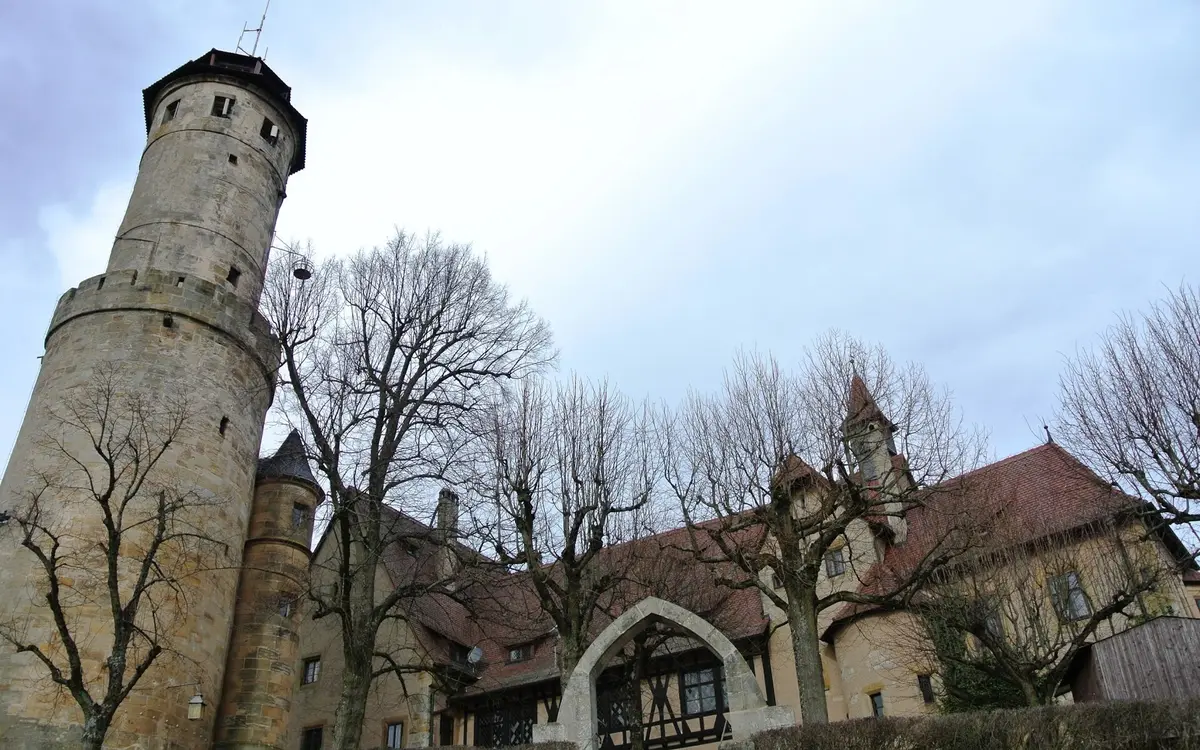
The Altenburg castle, on the highest hill, is the other stop in the Bergviertel. Its tower is shown below.
What else can you combine with Bamberg?
Bamberg pairs well with other Franconian cities. Nuremberg is the obvious base, and our Nuremberg travel guide covers it. For another trip with a strong food and drink angle, see our Würzburg and Franconian wine guide. If you live in Berlin, the day trips from Berlin post lists closer options for shorter outings.
FAQ
Is Bamberg worth visiting?
Yes. The whole old town is a UNESCO World Heritage Site, and it is compact enough to see in one day. The cathedral, Little Venice and Rauchbier taverns are the main draws.
How many days do you need in Bamberg?
One full day covers the highlights. Stay a weekend if you want to climb the hills, visit several museums or take it slowly.
How far is Bamberg from Nuremberg, Munich and Berlin?
By train, about 40 minutes from Nuremberg, about 1 hour 45 minutes from Munich and about 2 hours 45 minutes from Berlin, as example times. Check bahn.de for current connections.
Does the Deutschlandticket work for Bamberg?
On regional trains, yes, for example the Regional Express from Nuremberg. It is not valid on ICE or IC trains, so the fast long-distance connections need a separate ticket.
What is Bamberg Rauchbier?
Rauchbier is a beer with a smoky flavour that is closely tied to Bamberg. Schlenkerla, a historic tavern at Dominikanerstrasse 6, is the best-known place to try it.