German Food Culture: What to Eat and Where to Shop
German food culture explained: what to eat beyond Bratwurst and Sauerkraut, how supermarkets and markets work, and the meals expats end up loving.
Before you moved to Germany, people probably warned you about the food. "It's all pork and potatoes," they said. "Very heavy." What they didn't mention: German food culture is actually one of the most practical, affordable, and underrated in Europe, once you know where to look.
The supermarket landscape
Germany's supermarket system is efficient and price-conscious. The main players:
- Aldi & Lidl: discount chains with surprisingly good quality. Most Germans shop here regularly without any stigma. Fresh produce, good bakery sections, and weekly specials.
- Rewe & Edeka: mid-range, broader selection, often have better deli counters and organic ranges.
- Penny & Netto: budget options, fine for staples.
- Kaufland: large-format, good for bulk and variety.
- Biomarkets (Alnatura, BioCompany, denn's): organic specialists; popular in cities.
One thing to know: you bag your own groceries and you do it fast. Have your bag ready before the cashier starts scanning. This is not optional.
The Wochenmarkt (weekly market)
Every neighbourhood has one, usually on Saturday mornings. These are the best places for fresh vegetables, eggs, cheese, bread, and flowers. Prices are not always cheaper than supermarkets, but quality is often higher and you get to know local producers. Berlin has a covered market hall too, as our Markthalle Neun food guide shows.
In Berlin, the markets at Kollwitzplatz, Winterfeldtplatz, and Boxhagener Platz are particularly good. Many markets also have hot food stalls, a Wurst, some soup, or Turkish Gözleme, making them a proper Saturday morning ritual.
What Germans actually eat
The stereotype of Germans eating nothing but sausage and potatoes is outdated. Modern German eating is varied. That said, some dishes are genuinely everywhere and worth understanding:

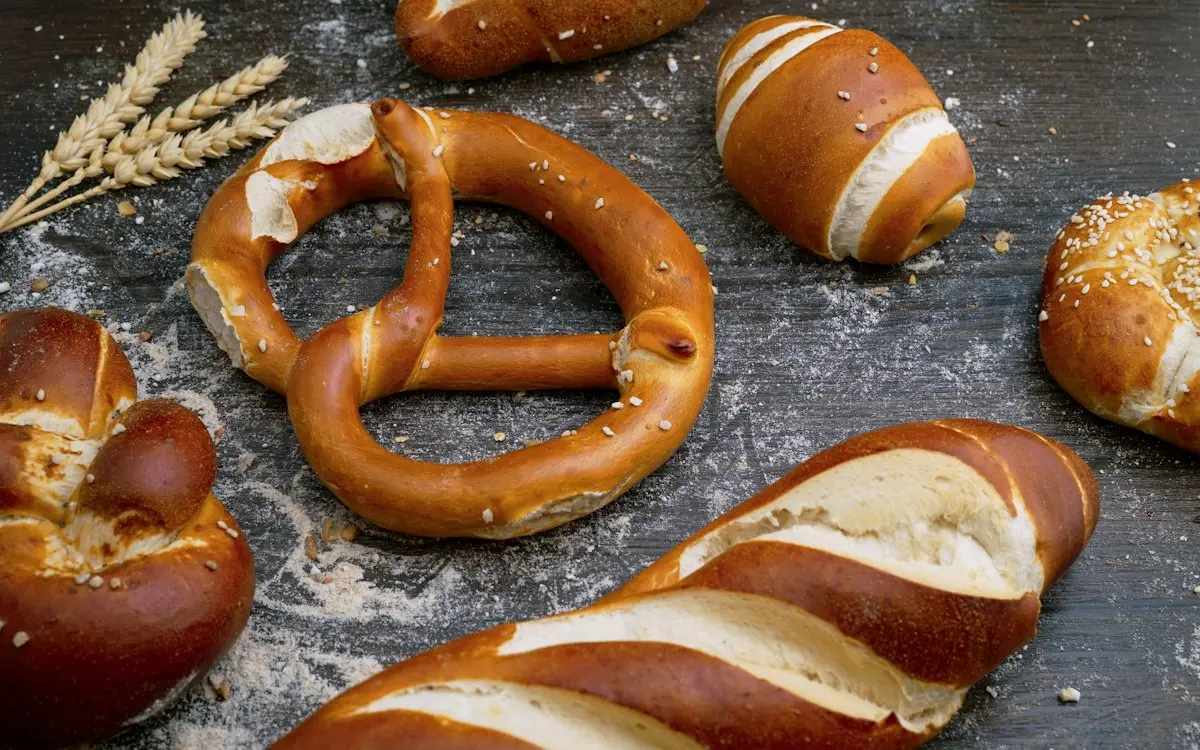
More than 3,000 bread specialities in the German Bread Institute's register, from dense Roggenbrot (rye) to soft Laugenbrötchen. A good local Bäckerei becomes one of life's great pleasures.
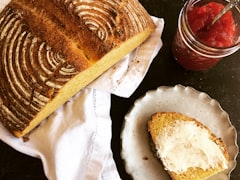
The classic cold supper: bread, cheese, cold cuts, cucumber. Sounds simple. Germans swear by it, and after a few weeks, you will too.
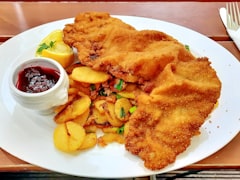
Breaded and pan-fried cutlet, usually pork or veal. A staple on almost every traditional German menu, often served with Kartoffelsalat or fries.
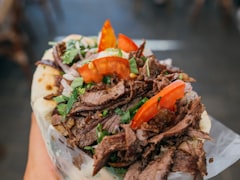
Germany has more Döner shops than Turkey. The Berlin Döner has a cult following, a meal, a cultural institution, and an expat survival staple.

Alsatian thin-crust tart with crème fraîche, onion, and bacon. Think pizza's more elegant, crispier cousin. Popular in southwestern Germany and Berlin wine bars.

Germany's beer culture goes far beyond lager. Bavarian Weissbier, Cologne's Kölsch, and Berlin's Berliner Weisse are regional icons worth trying on their home turf.
Breakfast culture
Germans take breakfast seriously. Many cafés serve elaborate weekend brunches, bread, eggs, cold cuts, smoked salmon, yoghurt, jam, juice, and the concept of a long, leisurely Saturday Frühstück is genuinely beloved. If you have a food allergy, it helps to have your expat health insurance in Germany arranged before you start exploring cafés and bakeries.
During the week, many people eat breakfast at home: a bread roll with butter and jam, or muesli. Coffee is essential. Filter coffee remains dominant, though espresso culture has expanded in cities.
Dining out: what to know
German restaurant culture has a few quirks worth knowing:
- You seat yourself in most casual restaurants. Wait to be seated only in fine dining.
- Water is not free. You will be served still or sparkling mineral water, and you will pay for it. If you want tap water, you have to ask, and some places will decline.
- Tipping: 10% is standard. You tell the server what total you want to pay ("stimmt so" means "keep the change") rather than leaving cash on the table.
- Separate bills are common and easy to request.
The beer and wine question
Germany is famous for beer, and rightfully so. The variety is enormous, from Bavarian Weissbier and Kölsch to Berlin's Berliner Weisse and the craft beer scene that has grown significantly in the past decade.
Less internationally known: Germany produces excellent wine. The Mosel, Rhine, and Baden regions produce Rieslings that are world-class, and domestic wine is widely available and affordable.
The cooking adjustment
Most expats find German ingredients high quality and reasonably priced. Some adjustments:
- Ovens are often smaller than in the US or UK
- Buttermilk, Quark, and various fermented dairy products are staples worth trying
- Asian and international ingredients are readily available in cities (Asia-Shops, Turkish supermarkets)
- Pfand (deposit) on bottles, remember to return them for the refund
- In autumn, many Germans also cook wild mushrooms, which is covered in our guide to mushroom foraging in Germany
Planning your move? Read our guide to finding an apartment in Germany, including how to understand what's included in rent.