Buying and Registering a Car in Germany: Expat Guide
How to buy a car in Germany as an expat: new or used, registration, number plates, KFZ insurance, TÜV, and driving licences, in plain English.
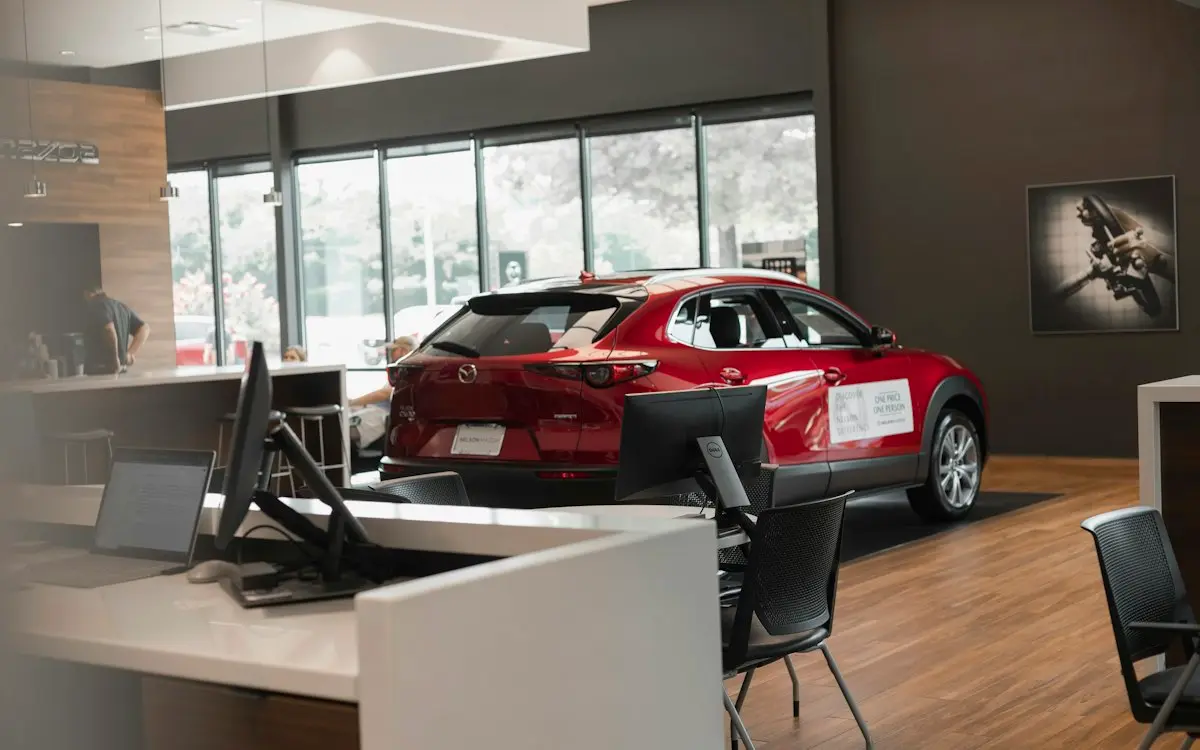
Germany has excellent public transport in and between its major cities. For many expats living in Berlin, Munich, Hamburg, or Frankfurt, a car is entirely optional. But once you leave the city, or if you live in a smaller town, a suburban area, or anywhere that isn't well served by trains and buses, a car becomes genuinely useful, often essential. This guide walks you through the entire process: finding and buying a car, registering it, insuring it, and understanding the rules of the road.
If your foreign licence is not German yet, read how to exchange your driving licence first.
Do you need a car?
Before spending €10,000 or more, it's worth being honest about whether you actually need one. Germany's intercity rail network (Deutsche Bahn) is extensive, and regional trains connect most medium-sized towns. Urban public transport is generally reliable. If you live and work in a major city, you may find that a combination of public transport, a bicycle, and occasional car rental covers everything.
That said, a car is a real quality-of-life upgrade if you:
- Live in a suburb or small town not well served by trains or buses
- Have children and need school runs or weekend activities
- Travel frequently to client sites or locations off the rail network
- Want the freedom to explore Germany and neighbouring countries on weekends
- Move large items regularly (furniture, sports equipment, groceries in bulk)
Car ownership in Germany also comes with ongoing costs: insurance, KFZ tax, fuel, TÜV inspections, parking, and maintenance. Budget these realistically before committing. Pure electric cars first registered by 31 December 2030 are exempt from KFZ tax for up to 10 years (until 31 December 2035 at the latest).
Buying a new car
Germany is one of the world's great car-making nations. Volkswagen, BMW, Mercedes-Benz, Audi, and Porsche all have their roots here, and buying from a German brand at a German dealership can sometimes come with factory-pickup options or local brand loyalty discounts that aren't available elsewhere.
New cars are sold through:
- Authorised dealerships (Autohaus): the most common route. Every major brand has an extensive dealer network across Germany. You can negotiate price, choose configuration, and take delivery in weeks to months depending on the model.
- Direct manufacturer order: some manufacturers allow you to configure and order directly online or through a dealer. Delivery times for custom builds are typically 3–6 months.
- Demo and pre-registered vehicles (Vorführwagen / Tageszulassung): technically new or nearly new, often registered for one day by the dealer to unlock manufacturer discounts, then sold to buyers at a significant reduction. A good way to get a near-new car with a full factory warranty at 10–20% off list price.
New car prices in Germany are roughly comparable to the rest of Western Europe. VAT (Mehrwertsteuer) is 19% and is included in the listed price. If you are buying as a business, you can reclaim the VAT; speak to your Steuerberater (tax adviser) first.
Buying a used car
The used car market in Germany is large, well-regulated, and relatively transparent. The main platforms are:
- Kleinanzeigen (formerly eBay Kleinanzeigen): Germany's dominant classifieds platform, similar to Craigslist or Gumtree. Huge volume of private listings. Prices are often negotiable and can be very competitive. Filter by location, mileage, year, and price.
- Mobile.de: Germany's largest dedicated used-car marketplace. Mix of private sellers and dealers. Strong search filters, price history, and vehicle history reports. The default platform for most car searches.
- AutoScout24: Europe's largest automotive marketplace. Similar to Mobile.de, with strong dealer inventory across Germany and neighbouring countries. Useful for comparing cross-border options.
For most expats buying a used car for the first time in Germany, Mobile.de or AutoScout24 gives you the widest selection and the most structured listings. Kleinanzeigen is better once you know what you are looking for and want to find private deals.
Prices on used car platforms are often negotiable. It is entirely normal to make an offer 5–10% below asking price, especially for private sellers. Dealers have less room to move but often offer free service packages or accessories instead.
What to check when buying used
Before handing over any money, make sure you have reviewed these key documents and facts:
TÜV certificate
The TÜV (Technischer Überwachungsverein) is Germany's main vehicle inspection. All cars must pass a TÜV inspection every two years to remain roadworthy. A current TÜV certificate is a significant selling point: it means an independent inspector has recently confirmed the car meets safety and emissions standards. Check when the current TÜV expires: a car with 18 months of TÜV remaining is worth more than one that needs inspection immediately. The sticker on the number plate shows the expiry month and year.
AU (Abgasuntersuchung: emissions test)
The AU is the emissions component of the TÜV inspection, conducted at the same time. It is not a separate appointment; it is included within the main TÜV. A pass on the AU is required for the full TÜV certificate to be issued.
Fahrzeugbrief / Zulassungsbescheinigung Teil II (vehicle title)
This is the ownership document, the equivalent of a title deed for the car. It shows the full ownership history of the vehicle. Make sure the name on Part II matches the person selling you the car. If it does not, stop and ask why. This document must be transferred to you at the point of sale and then surrendered at the registration office (Zulassungsstelle) when you register the car in your name.
Zulassungsbescheinigung Teil I (vehicle registration document)
This is the document that must be kept in the car at all times while driving. It confirms the vehicle is registered and roadworthy. Check that the vehicle identification number (FIN/VIN) on the document matches the number stamped on the car's chassis.
Service history (Scheckheft)
A complete service history (ideally stamped by an authorised dealer or workshop at each service interval) gives you confidence that the car has been maintained properly. Gaps in the service record are a red flag.
CARFAX or similar history check
For peace of mind on used cars, you can run a vehicle history report via CARFAX Europe or similar services. These can reveal previous accidents, written-off status, odometer discrepancies, and whether the car has been reported stolen.
Private vs. dealer: what's the difference?
Private purchase: buying directly from an individual via Kleinanzeigen or similar. The price is typically lower, but the sale is "as is." Under German law, private sellers can legally exclude all warranty (Gewährleistung) in the sale contract, and most do. If something goes wrong after the sale, you have very limited recourse. This is fine if you know cars, have had the vehicle inspected independently, or are buying something cheap where the risk is acceptable.
Dealer purchase: buying from a registered car dealership (Autohaus or used car dealer). Dealers are legally required to provide a 12-month statutory warranty (Gewährleistung) on used cars under German consumer law. They cannot waive this for private buyers. In practice, this means if the car develops a fault within 12 months that existed at the time of sale, the dealer must repair it at no cost. This significantly reduces your risk and is worth the premium over private prices, especially for higher-value cars.
Watch out for dealer contracts that try to limit the statutory warranty. Some dealers insert clauses attempting to restrict their liability. Under German law (BGB §476), dealers cannot exclude the 12-month Gewährleistung for consumers. If you see such a clause, you can ignore it: it has no legal effect against you as a consumer buyer.
Financing a car in Germany
If you do not want to pay cash upfront, there are several financing options:
- Dealer financing: most German car dealers offer in-house financing through manufacturer captive banks (e.g. BMW Bank, Volkswagen Bank, Mercedes-Benz Bank). Rates vary but promotional 0% finance deals appear regularly on new cars. Always compare the total cost of the loan, not just the monthly payment.
- German bank loan (Autokredit): major German banks including Deutsche Bank, Commerzbank, ING, and DKB offer dedicated car loans (Autokredite) at competitive rates. As of 2026, typical rates range from around 4–8% APR depending on the lender, your credit profile, and the loan term. Having a German Anmeldung and a regular salary paid into a German bank account is usually required.
- Balloon financing (Ballonfinanzierung): a popular structure where you pay lower monthly installments and a larger lump sum ("balloon") at the end of the term. Useful for cash flow but you must plan for the final payment. Common for new cars.
- Leasing: personal car leasing is available through dealers and independent leasing companies. You never own the vehicle; you pay monthly for use over a fixed term (typically 24–48 months) with mileage limits. Attractive if you want a new car every few years without the hassle of selling. Less common for expats who may not stay long-term.
Before applying for financing, check your SCHUFA score. German lenders will run a credit check, and a poor SCHUFA rating (or no SCHUFA history as a recent arrival) can limit your options or increase your rate.
Car registration (Zulassung)
Every vehicle driven on German public roads must be registered. If you are buying a used car that was already registered in Germany, you need to transfer the registration into your name (Ummeldung). If you are registering a car for the first time in Germany (e.g. importing from abroad), it must go through the full first-registration process (Erstzulassung).
Registration is handled at the KFZ-Zulassungsstelle, the vehicle registration office, part of your local Straßenverkehrsamt or Bürgeramt. You must register in the district where you live (based on your Anmeldung address).
What you need to bring
- Valid ID or passport
- Anmeldebescheinigung: proof of your registered address in Germany. You must be registered (Anmeldung) before you can register a vehicle.
- eVB number (elektronische Versicherungsbestätigung): a 7-digit alphanumeric code from your car insurer confirming that valid third-party liability insurance is in place. You cannot register a car without this. Your insurer provides it as soon as you take out a policy.
- Zulassungsbescheinigung Teil I and Teil II: both parts of the vehicle registration document.
- SEPA direct debit mandate: for automatic payment of the annual KFZ-Steuer (vehicle tax). The registration office will collect your bank details at the appointment.
- Old number plates: if transferring an existing registration, you may need to bring the existing plates to have them stamped.
- Cash or card for fees: registration fees are typically €30–60 depending on the district and transaction type.
Booking the appointment
Most KFZ-Zulassungsstellen require an appointment (Termin), which you can book online via your city or district's official website. In larger cities, slots can be booked up 2–4 weeks in advance. Book as soon as you have agreed to buy the car, as you technically cannot drive an unregistered vehicle on public roads.
Get your eVB number before you book the appointment. The registration office cannot process your registration without it, and if you arrive without it, you will need to rebook. Contact your insurer first, confirm cover, and get the eVB number in writing.
Number plates (Kennzeichen)
German number plates are assigned at registration and follow a standard format: a city or district code prefix, followed by up to two letters and up to four digits. For example, B AB 1234 (B = Berlin) or S MH 567 (S = Stuttgart). The city code indicates where the vehicle is registered, not necessarily where it is driven.
Key things to know:
- City code prefix: assigned based on your Anmeldung address. You cannot choose a different city code unless you live there. Common codes: B (Berlin), M (Munich), F (Frankfurt), HH (Hamburg), S (Stuttgart), K (Cologne), L (Leipzig).
- Letter and number combination: you can choose your preferred combination from what is available, within the standard character limits. Some combinations are not permitted (offensive content, reserved codes).
- Personalised plates: you can choose a specific letter/number combination (Wunschkennzeichen) for a small additional fee of approximately €10–30. Check availability at the registration office or often via an online portal before your appointment.
- Seasonal plates (Saisonkennzeichen): available for vehicles only used part of the year (motorcycles, classic cars). The plate shows two months (e.g. 04–10 = April to October). The vehicle cannot legally be driven outside those months.
- Plates stay with the owner, not the car: unlike some countries, German plates belong to you, not the vehicle. When you sell the car, you take your plates off. The new owner gets new plates (or keeps old ones if you transfer the registration directly).
Mandatory KFZ insurance
You cannot register or legally drive a car in Germany without valid car insurance. The law requires at minimum:
Haftpflicht (third-party liability): mandatory
Haftpflicht covers damage or injury you cause to other people, their vehicles, and their property. It does not cover damage to your own car. Every vehicle on German roads must have this as a minimum. Minimum coverage limits are set by law: €7.5 million for personal injury, €1.3 million for property damage, and €50,000 for financial losses. Most policies offer higher limits.
Teilkasko (partial comprehensive): optional
Teilkasko adds coverage for damage to your own vehicle caused by: theft, fire, storm, hail, flooding, broken glass, collisions with animals (Wildschäden), and certain other specified events. It does not cover accidents you cause or damage from collision with another vehicle. Teilkasko is a popular middle ground for mid-range used cars.
Vollkasko (full comprehensive): optional
Vollkasko covers everything in Teilkasko plus damage to your own vehicle from accidents, regardless of who is at fault. This is the highest level of cover and makes most sense for new cars or high-value vehicles. Note that Vollkasko policies usually include an excess (Selbstbeteiligung), typically €150–1,000 per claim. A higher excess means a lower premium.
The registration office requires only proof of Haftpflicht (via the eVB number) to register the car. You can take out Teilkasko or Vollkasko separately and they take effect from the date you specify. They are not required for registration but are strongly recommended.
What affects your KFZ insurance premium
German KFZ insurance is priced individually based on several factors:
- Schadenfreiheitsklasse (SF-Klasse / no-claims class): the most important factor. Every year you drive without making a claim, you move up the no-claims scale, which progressively reduces your premium. New drivers start at SF0 (or sometimes SF½) and pay the highest rates. After many claim-free years, SF-Klasse can bring premiums down by 60–70%. If you have a claim-free history from another country, some German insurers will recognise it and start you at a higher SF-Klasse; always declare your history and ask.
- Your address (Regionalklasse): Germany is divided into regional risk zones. Rural areas generally have lower rates than cities. Living in Berlin or Munich typically means a higher premium than living in a small town in Bavaria or Baden-Württemberg.
- Type of car (Typklasse): every car model is assigned a risk class by German insurers based on historical claims data. Sports cars, powerful engines, and vehicles with expensive parts have higher Typklassen and cost more to insure.
- Annual mileage (Kilometerleistung): the more you drive, the higher the statistical risk. Declaring a realistic annual mileage matters: underestimating it can void your claim.
- Driver age and experience: young drivers under 25 pay significantly more. Additional named drivers under 25 also increase premiums sharply.
- Garage parking: keeping your car in a locked garage rather than on the street reduces the risk of theft and can lower your premium.
- Payment frequency: paying annually is cheaper than monthly or quarterly, usually by 5–10%.
Compare KFZ insurance using portals like Check24, Verivox, or HUK24 before committing. Premiums for the same car and driver profile can vary by 50% or more between insurers. The annual renewal period (usually in November, with policies typically running from January) is the main time Germans switch insurers. The cancellation deadline is usually 30 November for 1 January cover.
TÜV explained
The TÜV inspection (Hauptuntersuchung, often abbreviated HU) is Germany's mandatory vehicle roadworthiness test. It is not optional and is required every two years for most passenger cars. Motorcycles and some older or commercial vehicles have different intervals.
What is checked
The inspection covers: brakes, lighting, steering, suspension, tyres, bodywork (for dangerous rust or sharp edges), the exhaust system and emissions (AU), seatbelts, windows and visibility, fluid levels, and the vehicle's electronic systems on modern cars. The inspector checks both safety and compliance with the vehicle's registration data.
Where to go
The TÜV is not exclusively done by TÜV. Despite the name being associated with the organisation, Germany has several licensed inspection bodies: TÜV (multiple regional companies: TÜV Rheinland, TÜV SÜD, TÜV NORD etc.), DEKRA, GTÜ, and KÜS. All are legally accredited to carry out the HU. You can book at any of these, or often through a garage (Werkstatt) that is an authorised inspection station.
Cost
A standard HU + AU inspection costs approximately €150–175 in 2026 (the ADAC national average is about €163), depending on the provider, your location, and the vehicle type. Book in advance; popular stations have waiting times of several weeks.
Pass or fail
If your car passes, you receive a new sticker (Plakette) for your number plate showing the next expiry date. If your car fails, you receive a report listing the defects. Minor defects (Mängel) must be repaired within a set period and then the car re-presented. Major defects (erhebliche Mängel) mean the car is not roadworthy and must not be driven until repaired. Dangerous defects (gefährliche Mängel) mean the car must be taken off the road immediately. Re-testing after repairs is usually at a lower fee than the initial inspection.
Check the TÜV expiry date before you buy a used car. A car with an expired TÜV cannot be legally driven on public roads and cannot be re-registered in your name until it passes inspection. Factor the cost of any upcoming TÜV into your negotiation.
Driving licence in Germany
EU/EEA licences
If you hold a driving licence issued by an EU or EEA country it is fully valid in Germany for as long as it remains current. You do not need to exchange it or take any test. When it expires, you renew it via the German Führerscheinstelle (driving licence office) rather than the country of issue.
Non-EU licences: exchange agreements
Germany has bilateral agreements with a number of non-EU countries that allow licence holders to exchange their foreign licence for a German one without sitting a full driving test. The list (Anlage 11 of the Fahrerlaubnis-Verordnung) includes Japan, South Korea, New Zealand, Switzerland, Israel, the United Kingdom and many others. For the United States, Canada and Australia it depends on the state or province, and some also require a theory or practical test. The list changes over time; check the current list with your local Führerscheinstelle or the KBA (Kraftfahrt-Bundesamt) website.
Under an exchange agreement, you typically need to:
- Present your original foreign licence (and a certified translation if it is not in Latin script or German)
- Provide your Anmeldung confirmation and passport
- Pay a fee (typically €30–60)
- Pass a basic eye test
- In some cases, complete a short practical driving familiarisation (not a full test)
Countries without an exchange agreement
If your country of origin does not have an exchange agreement with Germany, you must complete the full German driving licence process, including theory test (Theorieprüfung) and practical test (Fahrprüfung) with a German driving school (Fahrschule). This is significantly more expensive (€1,500–3,000+ in total) and time-consuming. Your foreign licence may be recognised for a limited period while you complete this process; check the exact rules with your Führerscheinstelle.
Non-EU licence holders: do not wait. In Germany, you are typically allowed to drive on a foreign non-EU licence for only six months after registering your address (Anmeldung). After that, you must hold a valid German or EU licence. If you miss this window, you may face fines or be unable to drive legally. Start the exchange process as soon as your Anmeldung is done.
Environmental zones (Umweltzone)
Some German cities, including Berlin, Munich and Stuttgart, still have Umweltzonen (environmental zones), though a growing number have scrapped theirs. To drive in the ones that remain, your car must display a coloured Feinstaubplakette (fine particulate sticker) on the windscreen.
The sticker colour reflects your car's emission class:
- Green sticker (grüne Plakette): required to enter most Umweltzonen. Assigned to cars meeting at least Euro 3 for petrol or Euro 4 for diesel.
- Yellow or red sticker: restricted or banned from most Umweltzonen in major cities.
- No sticker required: electric vehicles and hydrogen vehicles are exempt from Umweltzone restrictions entirely.
The sticker is available from most TÜV stations, DEKRA, and many petrol stations and garages. It costs around €5–10. When buying a used car, check whether it already has the correct sticker and whether its emission class qualifies for a green sticker at all. Older diesel cars in particular may fail to qualify. Driving in an Umweltzone without the required sticker carries a fine of €80.
Check whether your car qualifies for a green sticker via the Umwelt-Plakette.de website, which allows you to look up by vehicle registration number.
Parking in Germany
Parking rules vary significantly by city and neighbourhood. Here is what you need to know as a new car owner:
Parkscheibe (parking disc)
Many streets in German cities have limited-time parking zones (Parkzone) that require a Parkscheibe: a blue cardboard or plastic disc with a clock face that you set to show your arrival time and display on your dashboard. These zones typically allow 30 minutes, 1 hour, or 2 hours of free parking. The Parkscheibe is available at petrol stations, supermarkets, and car accessory shops for €1–3. Keep one in your car at all times.
Paid parking
Most city centre streets and car parks use pay-and-display machines or apps. The two dominant parking apps in Germany are EasyPark and PayByPhone. Both allow you to start and extend parking sessions from your phone and are accepted at most municipal car parks and street zones. Download both and register before you need them.
Resident parking permits (Anwohnerparkausweis)
Many residential streets in city centres are restricted to residents only, marked with a blue "P" sign and a district zone code. If you live in such an area, you can apply for an Anwohnerparkausweis (resident parking permit) from your local Ordnungsamt or Bürgeramt. Cost is typically €30–100 per year depending on the city. This gives you the right to park in your residential zone without a time limit, but does not guarantee a specific space.
Parking fines (Bußgelder)
German cities enforce parking rules actively. Common fines include: parking in a no-parking zone (€15–65), blocking a cycle lane (€55–100), parking on a pavement (€25–55), and parking without a valid Parkscheibe or ticket (€10–20). Fines are sent by post to the registered keeper of the vehicle; your registration address must be current.
Sources
Checked on 15 October 2026. PflVG Anlage, Mindestversicherungssummen; §31 FeV, Fahrerlaubnis aus Nicht-EU-Staaten; ADAC, HU and AU costs; Bundesregierung, KFZ tax exemption for electric cars.
Still not sure which insurance fits you?
Independent, English-speaking consultants compare the whole market for you. Free, no commitment, honest about when not to switch.