Regensburg Germany Things to Do: A Day Trip Guide
Regensburg Germany things to do: UNESCO old town, Stone Bridge, cathedral and sausages by the Danube, plus train tips and a one-day route.
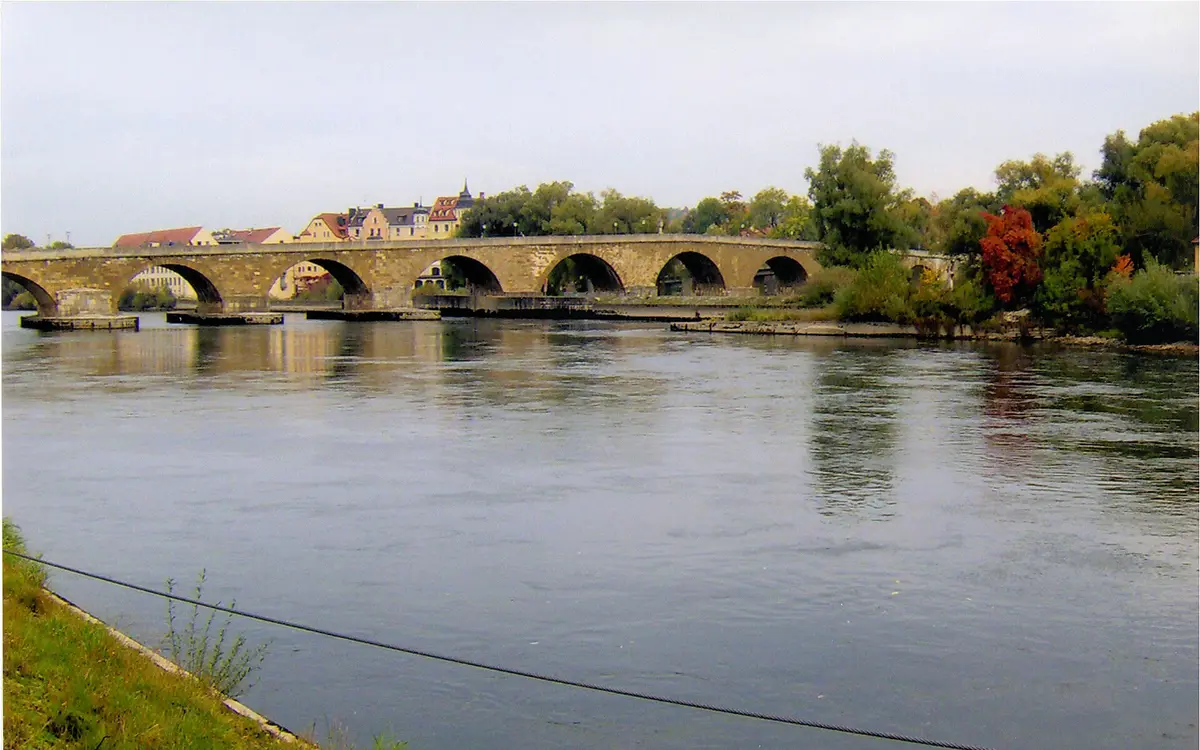
Regensburg is a Bavarian city on the Danube with a UNESCO-listed medieval old town, a 12th-century stone bridge and Bavaria's only Gothic cathedral. It is worth a trip: the centre is compact enough to see in one day on foot, and it is reachable by regional train from Munich and Nuremberg.
Most expats in Germany head to Munich or Nuremberg and skip it. That is a mistake if you like walkable old towns without the crowds of the big names. This guide covers the main Regensburg Germany things to do, how to get there, what it costs and how to spend one day.
Quick facts
- Getting there: about 1 hour 25 minutes by direct train from Munich, and roughly 1 to 1.5 hours from Nuremberg depending on the train. From Berlin you change trains. Check bahn.de for your date.
- Deutschlandticket: valid on regional trains (RE and RB), so the Munich and Nuremberg routes can cost nothing extra if you already hold one. It does not cover ICE or IC.
- Best time: late spring to early autumn for riverside walking, or December for the Christmas markets.
- Cost: the old town is free to walk. Budget for lunch, a coffee and one or two paid sights.
- Time needed: one full day is enough. Stay overnight if you want a slower pace.
- Ticket tip: check regional train timetables on bahn.de before you go, because track works sometimes replace trains with buses on this corridor.
Is Regensburg worth visiting?
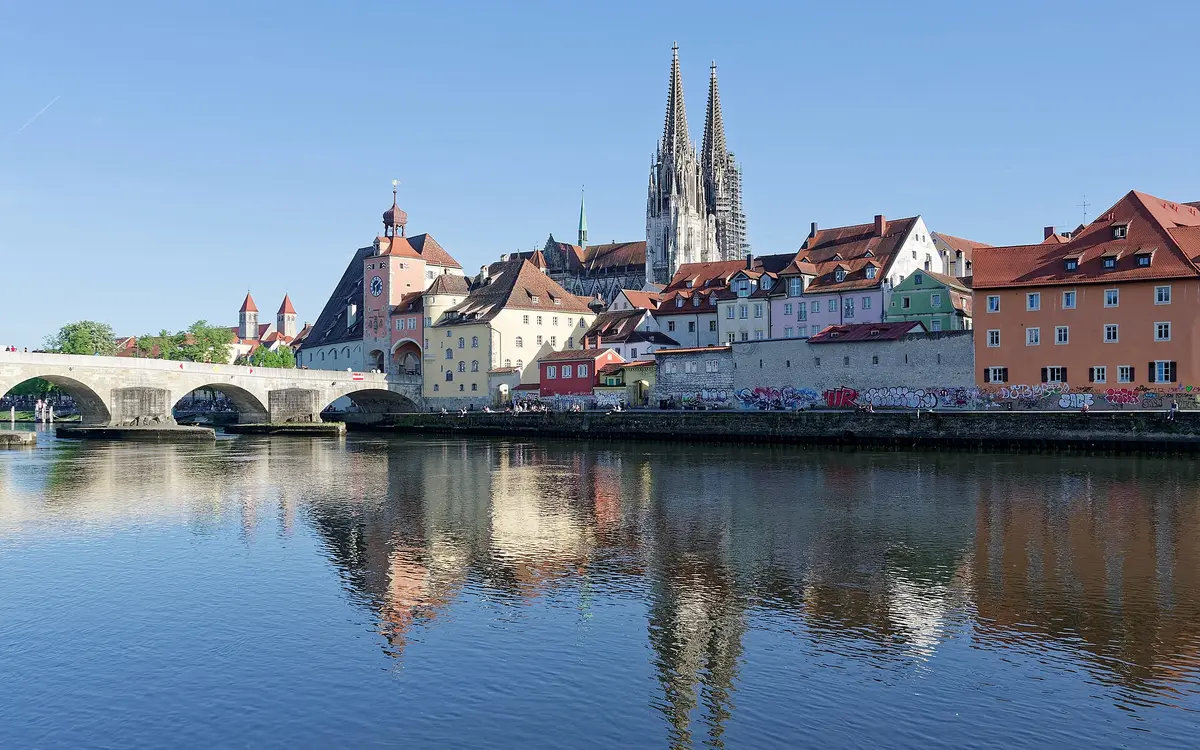
Yes, if you want history and atmosphere in a small package. The UNESCO listing for the Old Town of Regensburg with Stadtamhof was granted in 2006. UNESCO describes it as an exceptional example of a central European medieval trading town, with buildings from roughly two thousand years of history.
The old town survived the twentieth century largely intact, so you get medieval towers, Romanesque churches and narrow lanes in one walkable area. It is a good fit for a Saturday outing when you want something quieter than a big-city weekend.
Why does Regensburg feel Italian?
It is the merchant towers. Wealthy medieval trading families built tall stone towers beside their houses, a look often compared with Italian towns such as San Gimignano. Combine that with sunny squares, ice cream shops and café tables along the lanes, and the old town has a southern feel that you do not find in most German cities.
The Danube setting helps too. On a warm evening the riverside is full of people with a drink in hand, which feels closer to a Mediterranean promenade than a Bavarian beer garden.
What is the Stone Bridge?
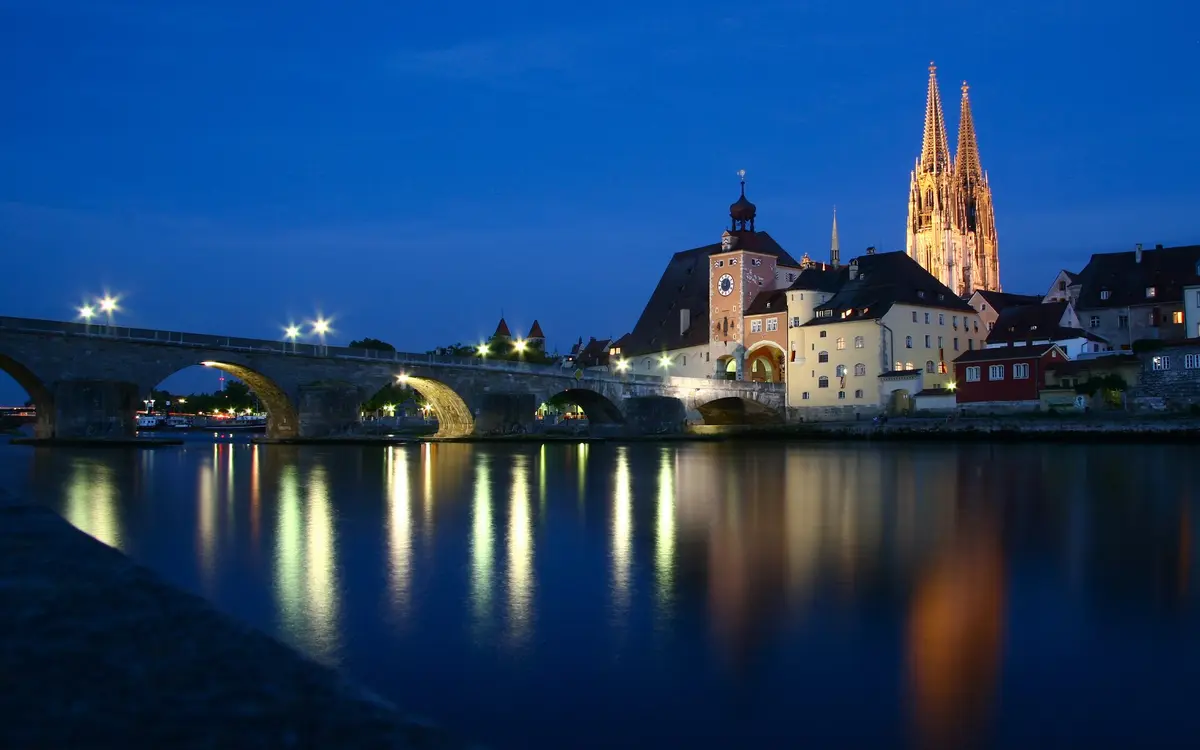
The Steinerne Brücke is the symbol of the city. Construction ran from about 1135 to 1146, it has sixteen arches, and since 2008 it has been closed to motor traffic, so only pedestrians and cyclists cross it. Tourist sources often call it the oldest surviving stone bridge in Germany, but that ranking is repeated loosely and not documented, so treat it as a local boast.
Walk over it to reach Stadtamhof, the former separate settlement on the north bank, which only became part of Regensburg in 1924. Turn around on the far side for the best view back at the old town and the cathedral spires.
What is there to see at the cathedral?
Dom St. Peter is the only Gothic cathedral in Bavaria, and its stained glass dates from the 13th and 14th centuries. Money ran out around 1520, and the towers were only completed in the nineteenth century: work on them began in 1859 and they were inaugurated in 1869, according to the city tourism page.
Entry to the church itself is free. The cathedral treasury and guided tours run separately, and opening times vary by season and church services, so check the cathedral's own site before you plan a fixed time. The cathedral is also home to the Regensburger Domspatzen boys' choir, so ask whether a service with the choir fits your day.
Where can you see Roman Regensburg?
The Romans founded a legion camp here called Castra Regina. The city's own material dates its completion to 179 AD under Marcus Aurelius, with a ground plan of about 540 by 450 metres. The best surviving piece is the Porta Praetoria, the camp's north gate, which the tourism office describes as the largest Roman structure still standing in Bavaria.
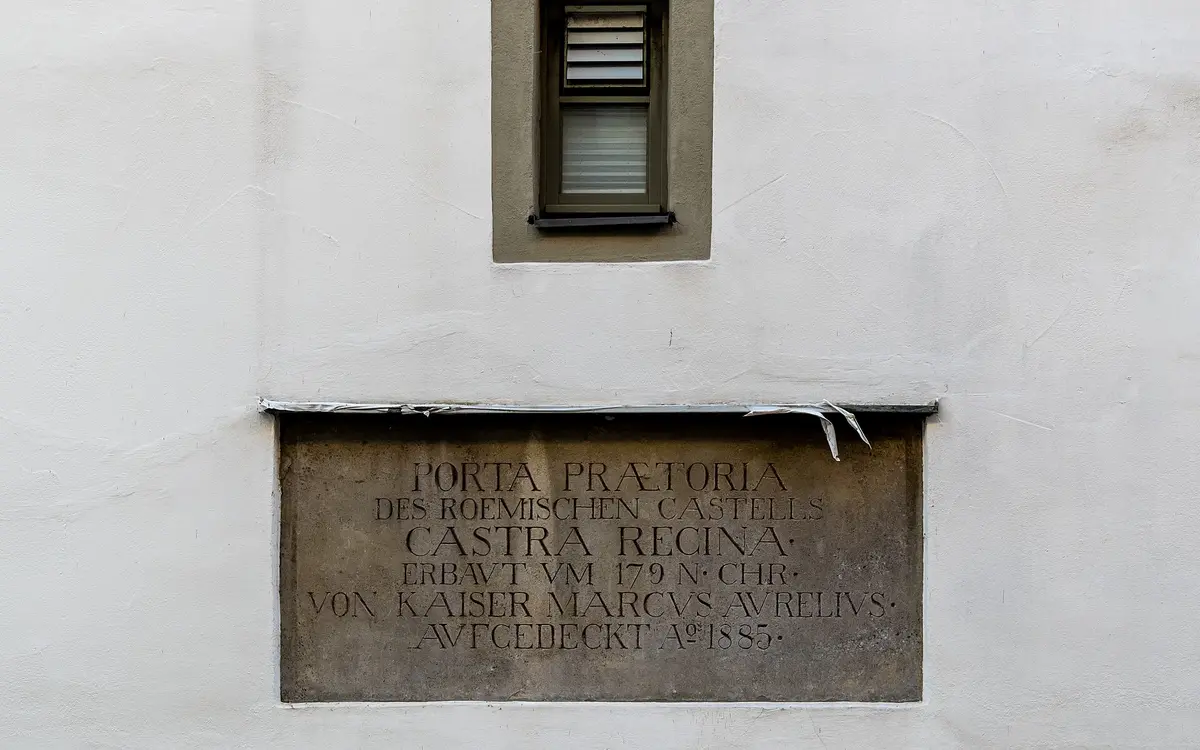
It survived because medieval builders worked it into the bishop's court complex near the cathedral. You can see it just by walking past, with no ticket needed. If you like Roman sites, the same stretch of the Danube formed part of the empire's frontier, which is why Regensburg sits on the wider Danube Limes UNESCO story.
What should you eat in Regensburg?
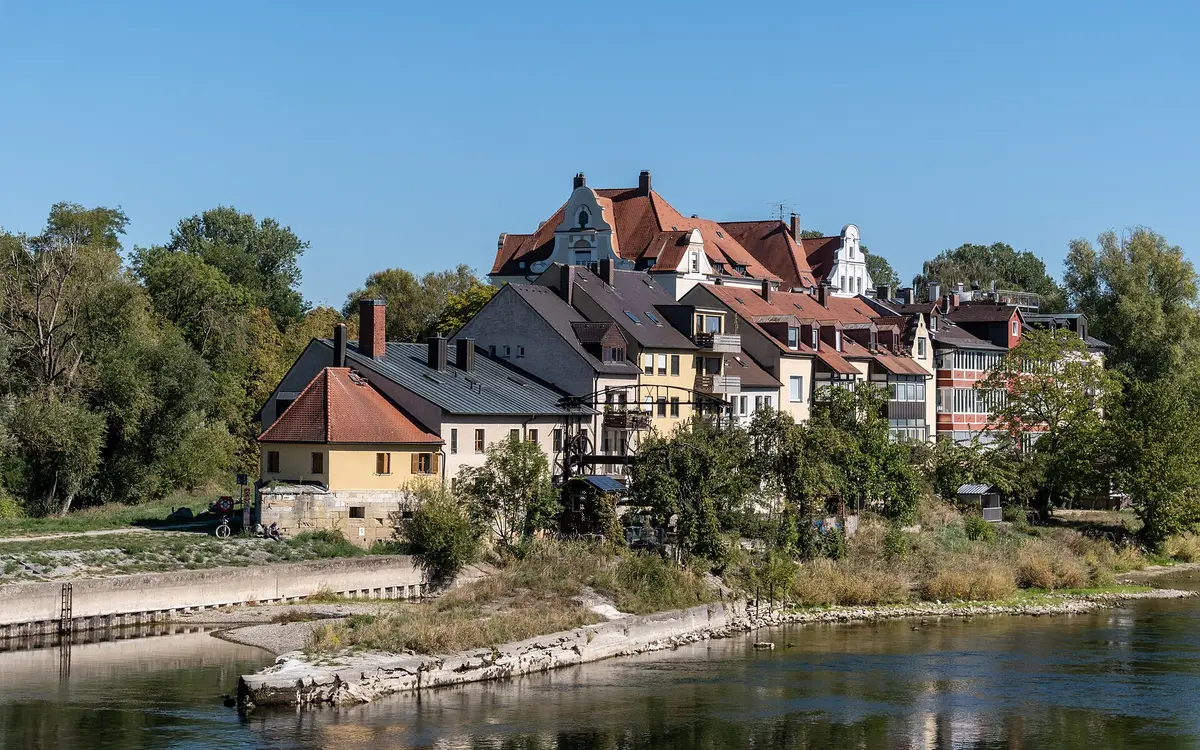
The famous stop is the Historische Wurstkuchl, a small grill beside the Stone Bridge. Its official website calls it the oldest bratwurst parlor in the world, says it has stood next to the bridge for over 500 years, and says sausages and sauerkraut are still made in-house and cooked over an open charcoal grill.
Popular accounts say the building began as the bridge's construction office in the 12th century and became a grill after the bridge was finished, but I found no archive document for those dates, so treat the "oldest in the world" label as the restaurant's own claim. Either way, it is a long-running place, and a plate of sausages with sauerkraut and mustard is the standard order. Expect a queue at midday, so go early or later in the afternoon. Check the restaurant's website for current hours and prices, which are not listed here.
How do you get to Regensburg by train?
Regensburg Hauptbahnhof sits at the southern edge of the old town, and you can walk to the centre in about ten to fifteen minutes. These are the usual routes:
- From Munich: direct regional trains run through the day, with a typical journey time of about 1 hour 25 minutes for the fastest connections according to Deutsche Bahn's timetable. Faster ICE or IC trains exist but are not covered by the Deutschlandticket.
- From Nuremberg: trains take roughly 1 to 1.5 hours, with the regional service at the slower end. During track works buses can replace trains, so check before you leave.
- From Berlin: there is no short option. Plan on a change of trains and a long day, and think about an overnight stay instead of a day trip. Look up the exact connection on bahn.de.
The Deutschlandticket works on regional trains, so if you already pay for it monthly, a Munich or Nuremberg day trip costs only your own spending. Without one, price a Bayern-Ticket or a Sparpreis fare. For more train-based ideas, see our list of weekend trips in Germany by train.
When is the best time to visit?
May to September gives you long evenings on the riverside and open-air seating. The old town is pleasant in spring and early autumn too, when it is cooler for walking. In December the city runs Christmas markets, and the setting between medieval walls suits them well. If that is your plan, our Christmas markets guide lists other cities to compare. Dates change each year, so check the city site for the current season.
How much does a day in Regensburg cost?
Walking the old town, crossing the Stone Bridge, seeing the Porta Praetoria and entering the cathedral are all free. Your costs are the train, food and any paid extras such as the cathedral treasury or a guided tour. Ticket prices change, so check the official sites. Compared with Munich, eating out is usually easier on the wallet, but see our cost of living guide for general price levels. For a longer-term view of your budget, it can help to compare the best private health insurance providers too.
Where should you walk?
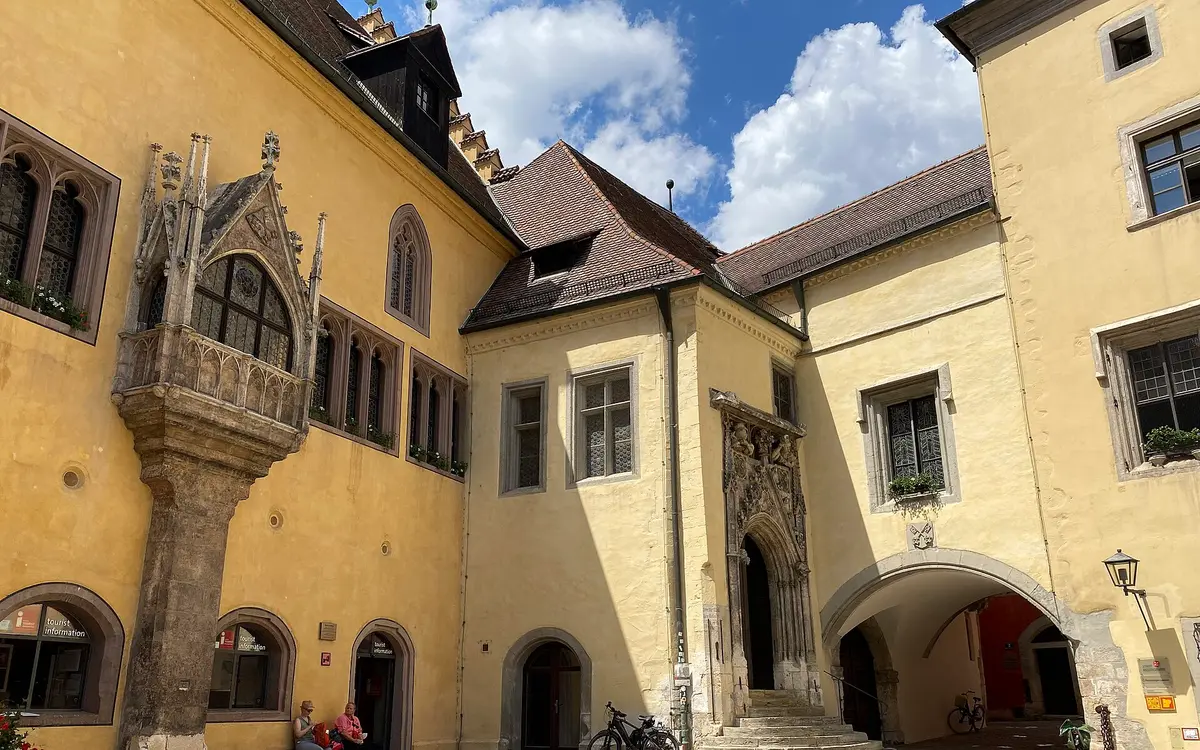
- Old town lanes: wander between the cathedral, the Altes Rathaus and the Haidplatz.
- Stone Bridge to Stadtamhof: cross for the skyline view, then come back along the water.
- Danube bank: the paths along the river are flat and good for a relaxed loop.
- Roman wall remains: follow the walls near the cathedral to the Porta Praetoria.
Plan your visit: a one-day route
- 09:30: arrive at Regensburg Hauptbahnhof and walk into the old town.
- 10:00: Dom St. Peter, then the Roman gate nearby.
- 11:30: wander the old town lanes and squares, with a coffee stop.
- 13:00: lunch at the Historische Wurstkuchl by the Stone Bridge, or another riverside place if the queue is long.
- 14:30: cross the Stone Bridge to Stadtamhof and walk the Danube bank.
- 16:30: cake or ice cream in the old town.
- 18:00: head back to the station for an evening train.
If you want to chain this with other Bavarian and Franconian towns, our guides to Nuremberg and Bamberg make good companion trips. Berlin residents looking for nearer options can read day trips from Berlin.
FAQ
Is Regensburg worth a day trip?
Yes. The UNESCO-listed old town is compact and walkable, and the Stone Bridge, cathedral and Danube riverfront fit into one day.
How long does the train from Munich take?
About 1 hour 25 minutes on a direct train, according to Deutsche Bahn's timetable. Check bahn.de for your exact date.
Does the Deutschlandticket cover Regensburg?
Yes on regional trains such as RE and RB. It does not cover ICE or IC, so choose a regional connection to avoid extra fares.
What is the Historische Wurstkuchl?
A small grill next to the Stone Bridge that serves bratwurst and sauerkraut cooked over charcoal. It describes itself as the oldest bratwurst parlor in the world.
When is the best time to visit Regensburg?
Late spring to early autumn for walking and riverside evenings, or December for the Christmas markets.