Mushroom Foraging Germany: Rules, Season and Safety
Mushroom foraging Germany explained: is it legal, how much you may pick, when the season runs and how to get finds checked by an expert.
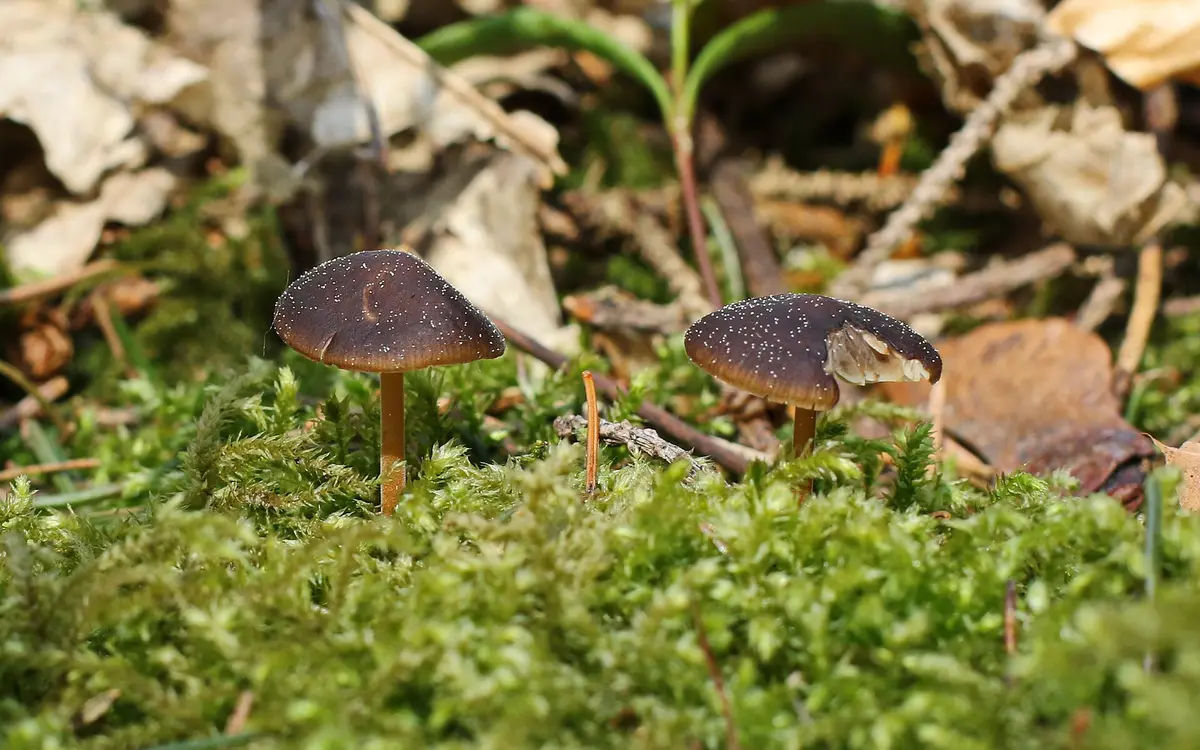
Yes, picking wild mushrooms in Germany is generally allowed for private use. Federal law lets anyone carefully take small quantities for personal use in places where entry is not prohibited. Some species are specially protected: a few common edible ones are exempt for small personal amounts, the rest may not be picked. Picking to sell needs a permit, and local rules can be stricter. Most mushrooms appear in late summer and autumn, depending on the weather.
Safety note: a few wild mushrooms in German forests are deadly, and apps or a single photo cannot reliably tell them apart from edible ones. Never eat anything you cannot identify with certainty, and have every find checked by a certified mushroom expert (Pilzsachverständiger) before it reaches the pan. This guide covers the rules and the German system, not how to identify species.
Quick facts
- Legal basis: Section 39 (3) of the Federal Nature Conservation Act (BNatSchG) allows picking mushrooms "in geringen Mengen für den persönlichen Bedarf" (in small quantities for personal use).
- Protected species: fungi listed in Anlage 1 of the Federal Species Protection Ordinance (BArtSchV) are specially protected. Section 2 (1) BArtSchV exempts six of them, including porcini, chanterelles and morels, when taken in small quantities for your own use. The others, such as truffles and the Caesar's mushroom, may not be picked.
- Season: no fixed calendar. Many species appear in late summer and autumn, depending on rain and temperature.
- Commercial picking: needs a permit from the nature conservation authority under Section 39 (4) BNatSchG, and protected species may not be sold.
- Protected areas: nature reserves, national parks and areas you may not enter can forbid or restrict picking. Check the local rules.
- Get finds checked: certified mushroom experts (Pilzsachverständige, PSV) of the German Mycological Society (DGfM) advise on edibility.
- Emergency: call 112 or contact a poison information centre (Giftnotruf) immediately if you feel unwell after a mushroom meal.
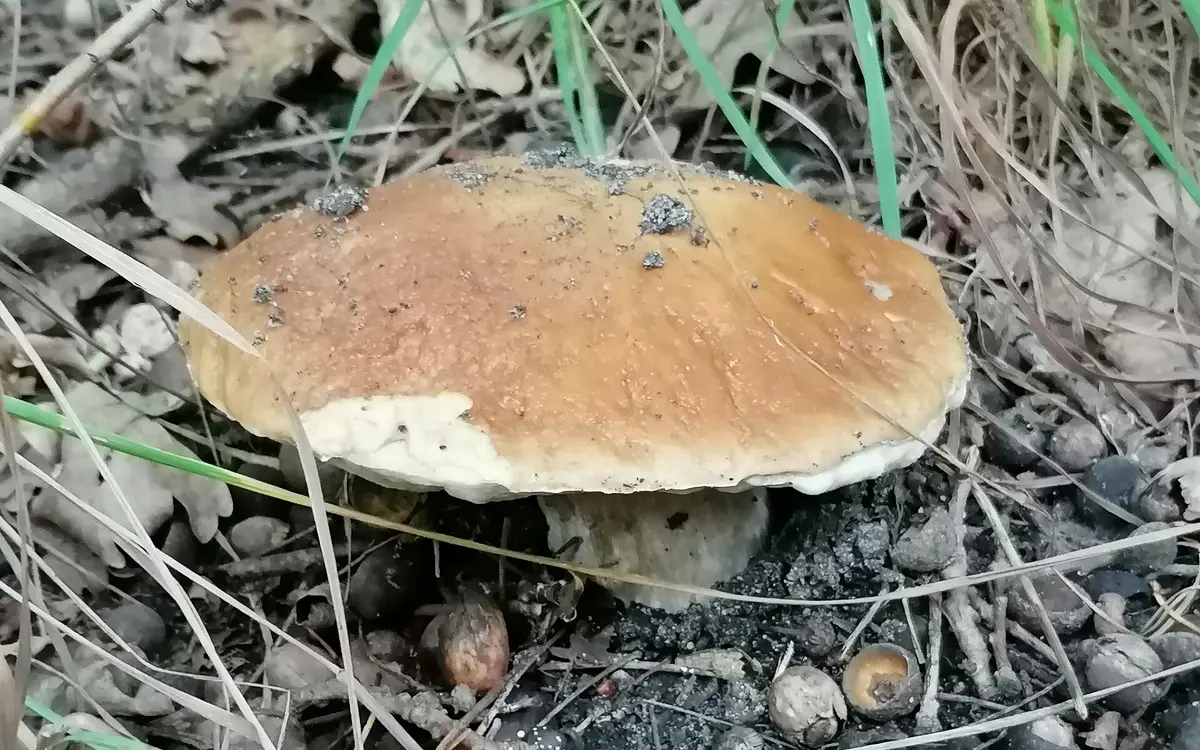
Is mushroom picking legal in Germany?
Yes, with limits. Section 39 (3) of the BNatSchG says everyone may carefully take wild-growing flowers, grasses, ferns, mosses, lichens, fruits, mushrooms, tea and medicinal herbs and twigs from nature "an Stellen, die keinem Betretungsverbot unterliegen" (in places where entry is not prohibited), in small quantities for personal use.
Three conditions follow from that wording: you must be allowed to be in the place, you take only a small amount for yourself, and you pick carefully ("pfleglich"). It is federal law and applies in every state, but state law and the rules of individual protected areas can add restrictions. Specially protected species follow their own rules, covered below.
How much can you pick per person?
The federal law gives no figure, only "small quantities for personal use". There is no national weight limit. If you plan more than a modest basket, ask the local nature conservation authority (untere Naturschutzbehörde) of the district where you are picking.
A practical test: if you could not realistically eat or preserve it within a few days, you have probably picked too much.
Which mushrooms are protected in Germany?
The Federal Species Protection Ordinance, the Bundesartenschutzverordnung (Anlage 1), lists 18 fungi entries as "besonders geschützt" (specially protected), for wild native populations. For these species, Section 44 (1) No. 4 BNatSchG prohibits taking them from nature, and Section 44 (2) prohibits possessing and selling them.
Section 2 (1) BArtSchV lifts the picking and possession bans for six of them, "soweit sie in geringen Mengen für den eigenen Bedarf der Natur entnommen werden" (as far as they are taken from nature in small quantities for your own use):
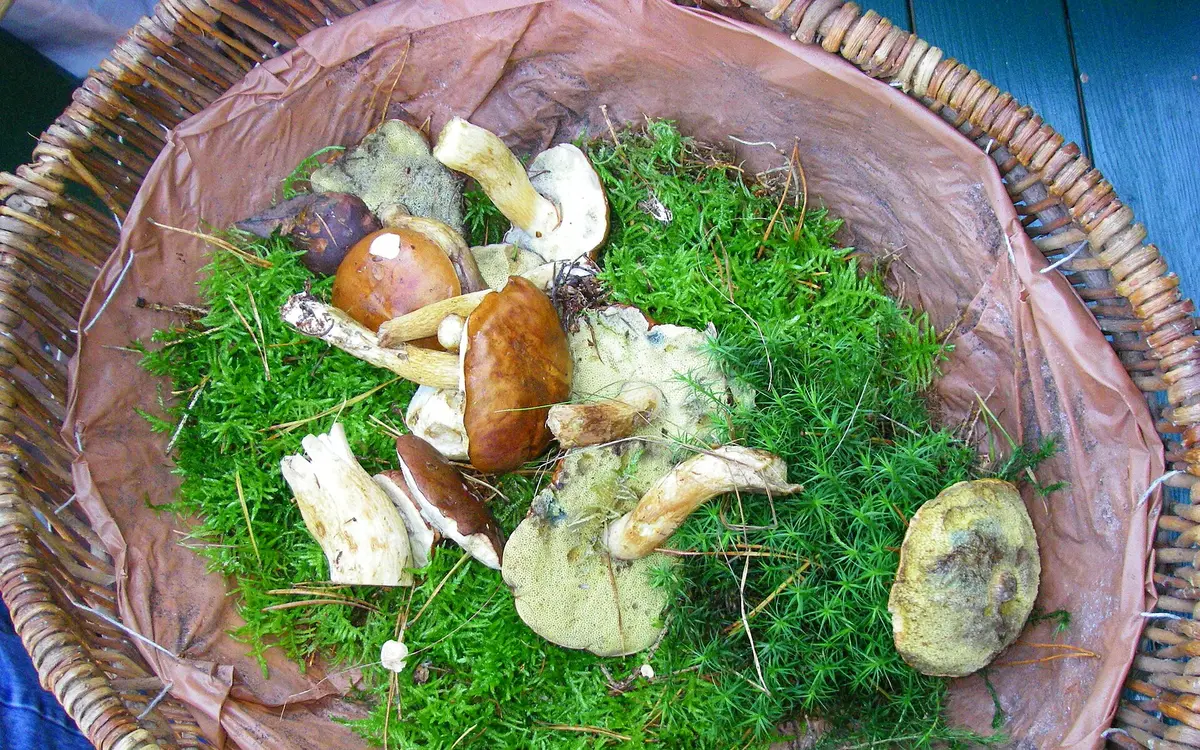
- Porcini (Steinpilz, Boletus edulis)
- Chanterelles (Pfifferling, all native Cantharellus species)
- Pig's ear (Schweinsohr, Gomphus clavatus)
- Weeping milk cap (Brätling, Lactarius volemus)
- Birch boletes and orange boletes (Birkenpilz and Rotkappe, all native Leccinum species)
- Morels (Morchel, all native Morchella species)
So a small basket of porcini or chanterelles for your own kitchen is lawful. The exemption does not cover selling them. Every other fungus on the Anlage 1 list stays fully protected and may not be picked, including truffles (Tuber), the Caesar's mushroom (Kaiserling, Amanita caesarea), the waxcaps (Saftlinge, Hygrocybe) and several other boletes. State authorities can allow further exceptions in individual cases. When in doubt about a species, leave it and ask a Pilzsachverständiger or your local authority.
When is mushroom season in Germany?
There is no fixed calendar. Many species appear in late summer and autumn, and fruiting depends heavily on rain and temperature, so a dry spell can delay or shorten the season. The Federal Institute for Risk Assessment (BfR) notes that the death cap grows from July to October, mainly in deciduous woods but also in parks, so the most dangerous species is around for much of the picking season.
Where is mushroom picking not allowed?
The general rule only applies where entry is allowed. Check these situations first:
- Nature reserves and national parks: each area has its own rules, and many ban picking or leaving the paths. In North Rhine-Westphalia, for example, the state government says picking mushrooms is generally prohibited in nature reserves and in Eifel National Park. Read the signs at the entrance.
- Areas you may not enter: fenced or signposted areas, and areas closed under state forest law, are off limits. Without a right to be there, Section 39 (3) does not apply.
- Local rules: state law and local authorities can set further limits. State forestry pages (search for "Landesforst" plus your state) are a good place to look.
- Commercial picking: picking to sell or process commercially needs a permit under Section 39 (4) BNatSchG, and specially protected species may not be sold (Section 44 (2) BNatSchG).
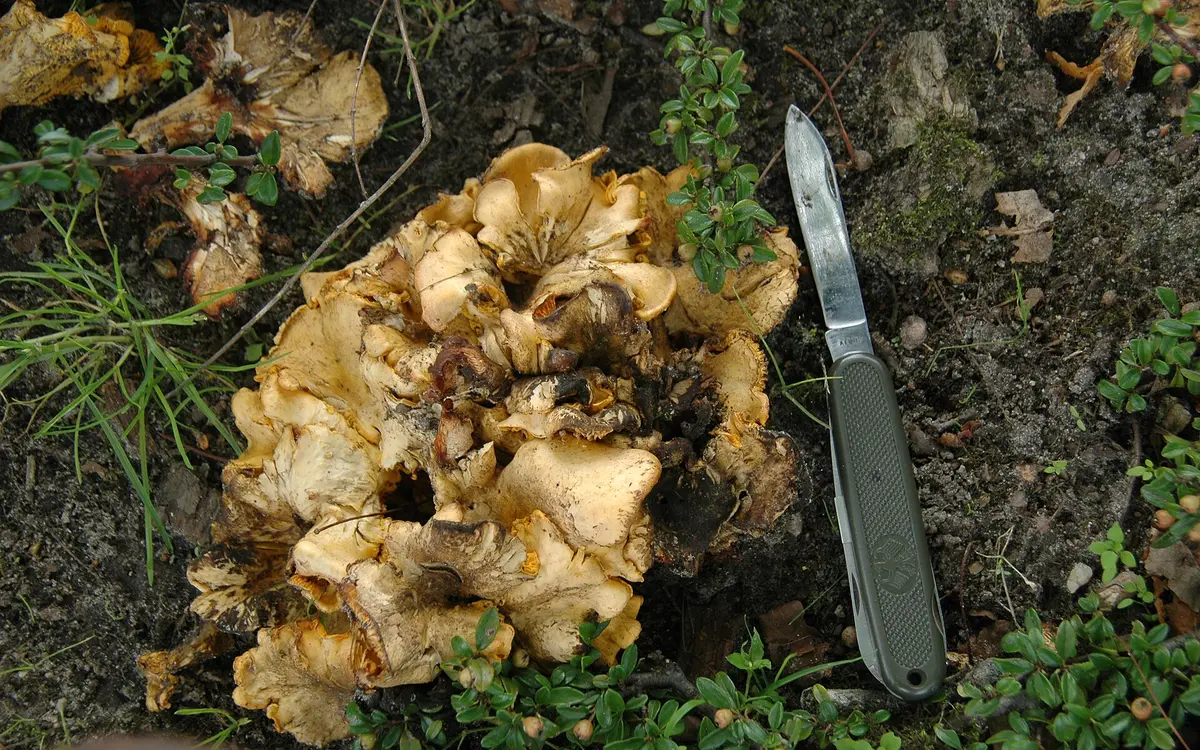
How do Germans actually forage?
Most careful pickers do not rely on themselves alone. The German Mycological Society (DGfM) examines and certifies Pilzsachverständige (PSV), experts who can identify mushrooms and judge whether they are edible. The DGfM site has a map where you can find a PSV near you.
Many places also have a Pilzberatung, an advisory service where you bring your finds for checking. Hours and rules differ per place, so look up your town's service or phone first. Some local mycological societies (Pilzvereine) also offer guided mushroom walks, which is the easiest way for an expat to learn the habits and the vocabulary in a group.
Your first trip: step by step
- Plan the legal side. Pick an area open to the public and check whether it is a nature reserve or national park. If it is, read the local rules or choose another spot.
- Find your Pilzsachverständiger first. Use the DGfM map or search "Pilzberatung" plus your town, and note the opening times before you go.
- Pack properly. Take a shallow basket or paper bag, a small knife and a brush. Skip plastic bags, which make mushrooms sweat and spoil faster.
- Pick with care. Take only what you need, treat the ground gently and leave protected species where they are.
- Keep species apart. Do not mix finds in one container, so an expert can check each kind on its own.
- Go to the Pilzberatung. Show everything you picked. Anything the advisor does not clearly approve goes in the bin.
- Cook what was cleared. Prepare the mushrooms soon after checking and cook them thoroughly. Do not eat wild mushrooms raw.
How dangerous is mushroom picking?
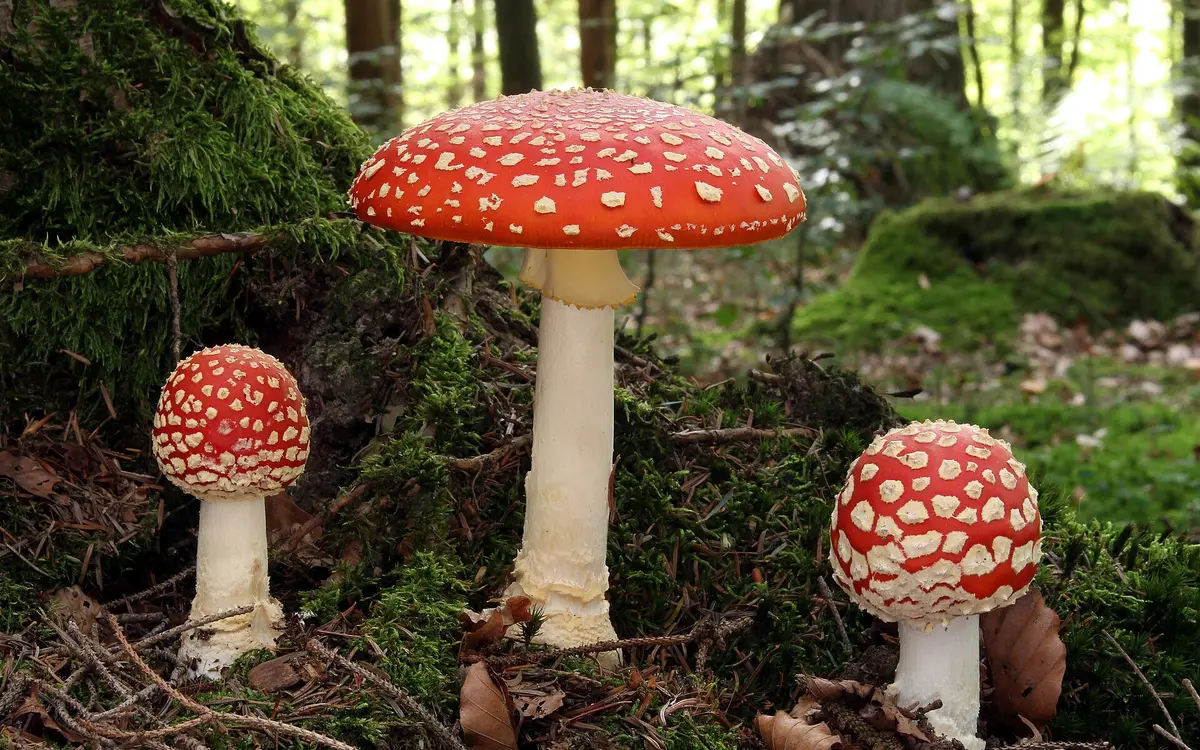
The risk is real. According to the BfR, the green death cap (Grüner Knollenblätterpilz) is the most poisonous mushroom in Germany and is behind at least 80 percent of fatal mushroom poisonings. The BfR says pickers often confuse it with popular edible species, naming the meadow mushroom (Wiesenchampignon) and the charcoal burner (Frauentäubling).
That is why the safe rule is simple: do not rely on apps or a single photo. The BfR says apps can give a rough orientation but often cannot identify mushrooms clearly. Have a certified Pilzsachverständiger look at the actual mushroom.
What should you do after eating a suspected poisonous mushroom?
Act at once. The BfR advises contacting a doctor or a poison information centre immediately if you feel unwell after a mushroom meal. In an emergency, call 112. Germany has regional poison information centres, each with its own number. The Munich centre (Giftnotruf München), designated by the state of Bavaria, answers around the clock on 089 19240. Find the centre for your region in the BfR directory of poison information centres and save the number before you head out. Seeing a doctor is far less stressful when you understand how health insurance works in Germany before you need it.
- Do not induce vomiting or try home remedies unless a doctor tells you to. The BfR warns that even inducing vomiting can have serious health consequences, and that milk can increase the uptake of toxins.
- Keep leftovers and any vomit. They help experts identify the species.
- Everyone who ate the same meal should be informed and checked by a doctor, even without symptoms.
How do you clean and cook wild mushrooms?
Only prepare mushrooms an expert has cleared. Brush off dirt rather than soaking them and trim the base. Cook them thoroughly: the BfR advises cooking every mushroom dish for at least 15 minutes and notes that raw mushrooms, for example in salads, often cause intolerance reactions.
German classics are easy to try: sauté with onions and parsley, serve in a cream sauce with bread dumplings, or stir into scrambled eggs. For more on what Germans put on the table, see our guide to German food culture. If you cannot get into the woods near your city, a weekend trip by train is an easy way to reach good forest, and the seasonal cooking traditions are similar to those in our white asparagus season guide.
FAQ
Is mushroom picking legal in Germany?
Yes, for private use. Section 39 (3) of the Federal Nature Conservation Act allows small quantities for personal use in places without an access ban. Specially protected species may only be picked where Section 2 (1) of the Federal Species Protection Ordinance exempts them, commercial picking needs a permit, and protected areas may have extra rules.
Can I pick porcini and chanterelles?
Yes, in small quantities for your own use. Both are specially protected, but Section 2 (1) of the Federal Species Protection Ordinance exempts small personal amounts. Selling them is not covered. Truffles and the Caesar's mushroom are not exempt and may not be picked.
How many mushrooms can I pick?
The law only says "small quantities for personal use" and sets no national weight. Ask the district nature conservation office if you plan to pick more than a modest basket.
Can I use an app to identify mushrooms?
No. Apps and single photos are not reliable, and the BfR says apps often cannot identify mushrooms clearly. Have a certified Pilzsachverständiger check your finds.
What should I do if I feel ill after eating wild mushrooms?
Call 112 or your regional poison information centre immediately, keep leftovers, and do not induce vomiting or try home remedies. Others who ate the same meal should be checked by a doctor too.