Reeperbahn Hamburg Guide: St. Pauli and the Harbour
Reeperbahn Hamburg guide: what St. Pauli is, night safety and the weapons ban, harbour ferries, Fischmarkt, Elbphilharmonie and a one-day route.
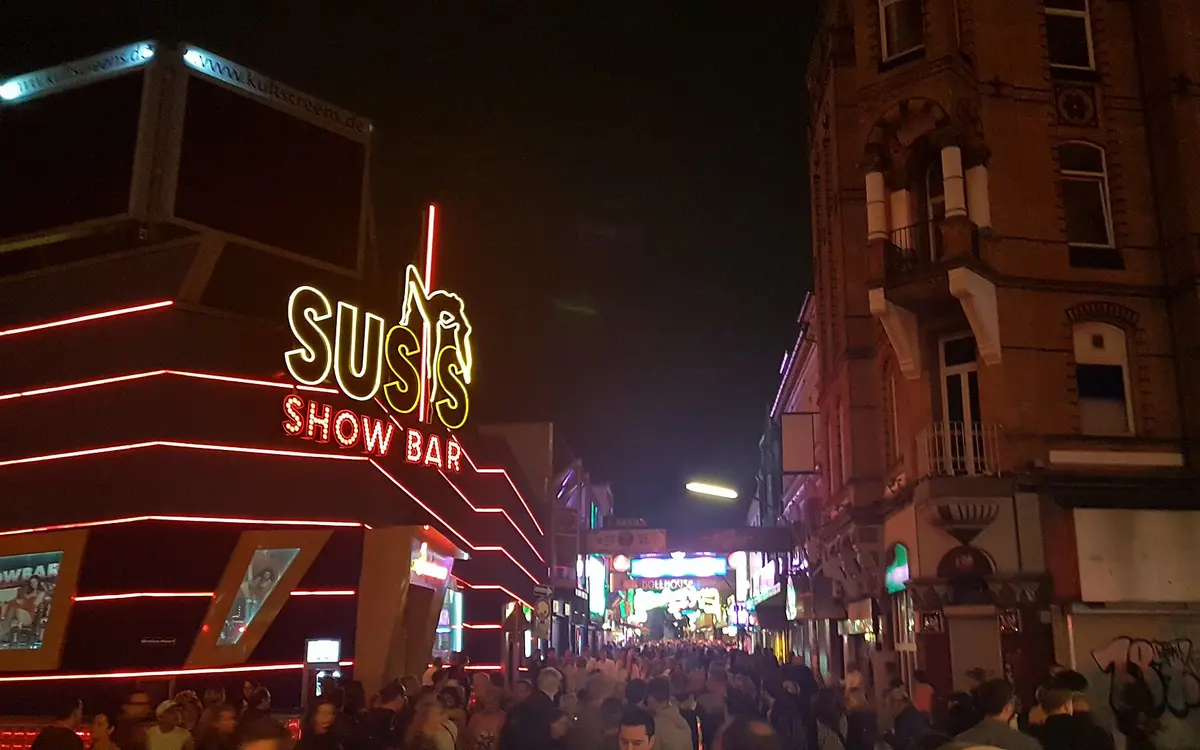
The Reeperbahn is the main street of St. Pauli, Hamburg's entertainment district, lined with music clubs, theatres, bars and restaurants. It is generally fine for visitors, including at night, if you stay aware and follow the local weapons ban. The harbour sights next to it, from the Landungsbrücken ferries to the Elbphilharmonie, combine easily into one day.
Many expats in Germany know the Reeperbahn only by reputation. That undersells the area: within walking distance you have a working harbour, a Sunday fish market, a church tower with a city view and a UNESCO warehouse district. This Reeperbahn Hamburg guide covers what to see, what to know after dark, how to get there and how to fit it into a weekend.
Quick facts
- Getting there: Hamburg Hauptbahnhof is the main station. From Berlin the fastest ICE trains take under two hours. From Hannover and Bremen direct trains run regularly. Check bahn.de for your date.
- Local transport: the Reeperbahn has its own S-Bahn station, and the Landungsbrücken harbour ferries are part of the HVV network. The Deutschlandticket is valid on them.
- Weapons ban: knives of every kind and unmarked pepper spray are banned in the Reeperbahn area. A first offence costs 150 euros, and the ban has no stated time limit.
- Fischmarkt: Sundays only, 5:00 to 9:30 from 15 March to 14 November, and 7:00 to 9:30 in winter.
- Elbphilharmonie Plaza: open daily 10:00 to 24:00. A 5 euro ticket is required (3 reduced).
- Time needed: one long day covers the main sights. A night out on the Reeperbahn fits best as a second evening.
What is the Reeperbahn?
The Reeperbahn is a street in the St. Pauli district, a few minutes on foot from the harbour. Over time the area became Hamburg's place for sailors on shore leave, and it grew into the entertainment district it is today.
Today you will find music venues, theatres, late-night bars, restaurants and street food, with the football club FC St. Pauli as the district's local identity. It also still has the adult-entertainment businesses it is known for, but they are concentrated on a few side streets and are easy to avoid if that is not your interest. In daytime it is an ordinary busy street. The character changes after dark, especially from Thursday to Saturday.
Is the Reeperbahn safe at night?
For most visitors, yes, with normal big-city habits. Crowds are thick on weekend nights, so watch your phone and wallet, and be careful with drinks you did not see poured. If someone on the street approaches you with a too-good offer, you can ignore it and walk on.
One rule is specific to the area: a weapons ban has applied here since 12 December 2007. According to the Hamburg police, it covers all streets, paths and squares around the Reeperbahn and Hans-Albers-Platz, including the S-Bahn station. Banned items include knives of every kind (pocket knives too), blank-firing weapons, pepper sprays without an official test mark and clubs. The police page lists a fine of 150 euros for a first offence, up to 10,000 euros depending on severity, plus confiscation.
The police page states no time-of-day limit, so treat the ban as applying at all hours. Leave your pocket knife at home, and check the police page before you go, as rules can change.
What is Beatles-Platz?
Beatles-Platz sits at the corner of the Reeperbahn and Große Freiheit. It is a circular black square, about 29 metres across, laid out to look like a vinyl record, with five steel silhouettes of the band's early line-up. The memorial dates from 2008.
The link is real. In 1960 the then unknown Beatles began their first Hamburg engagement at the Indra club on Große Freiheit, according to Hamburg Tourismus. Many of the small venues from that era still run as live music clubs, so the street is worth a slow walk even if you do not go in anywhere.
How do the Landungsbrücken and harbour ferries work?
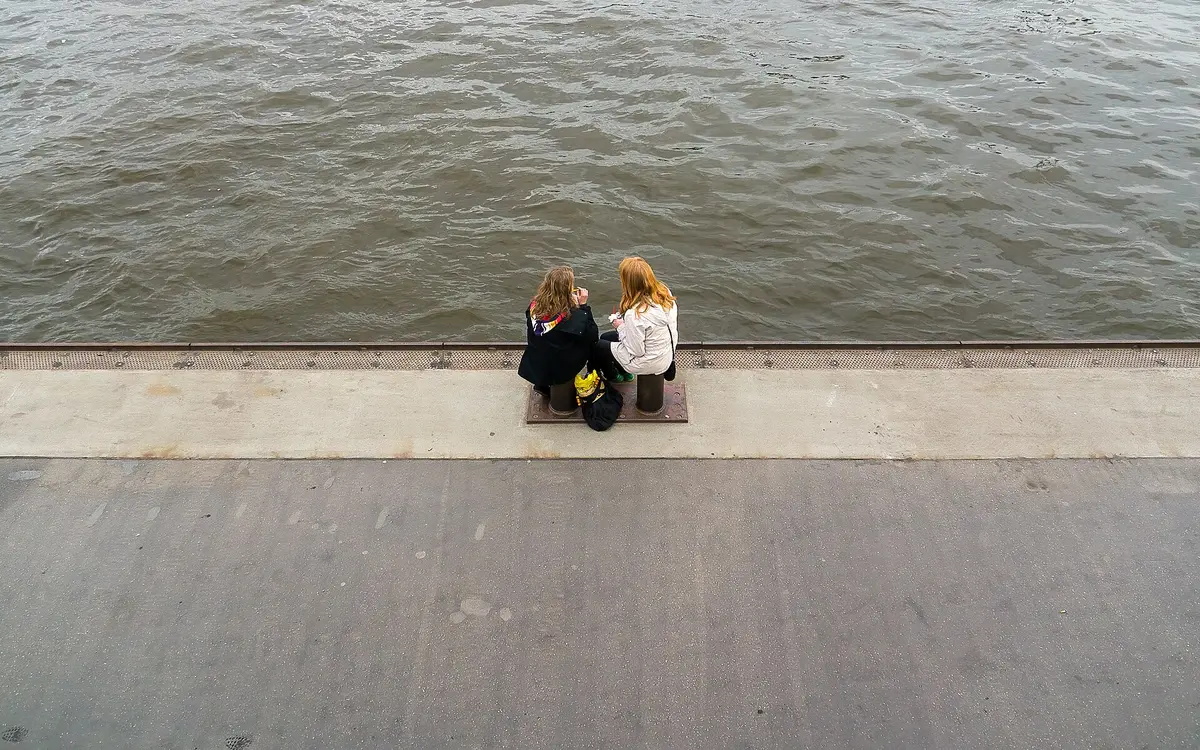
The St. Pauli Landungsbrücken are the floating piers on the Elbe, a short walk downhill from the Reeperbahn. Harbour ferries leave from here. Hamburg Tourismus says there are seven HADAG harbour ferry lines and that a Deutschlandticket can be used on them, as can a normal HVV ticket. See its harbour ferries page.
The useful one is line 62, which runs from Landungsbrücken Brücke 3 to Finkenwerder. It passes the Blohm + Voss docks, the fish auction hall, the Dockland office building and the Övelgönne museum harbour. The tourism board suggests getting off at Övelgönne for a stretch of sandy beach and a walk along the river.
If you already pay the monthly Deutschlandticket (63 euros at the time of writing, per hvv.de), a ferry ride is effectively a free harbour cruise. It is a good way to see the container terminals without a paid tour. For other train-friendly trips with that ticket, see our guide to weekend trips in Germany by train.
When is the Hamburg Fischmarkt open?
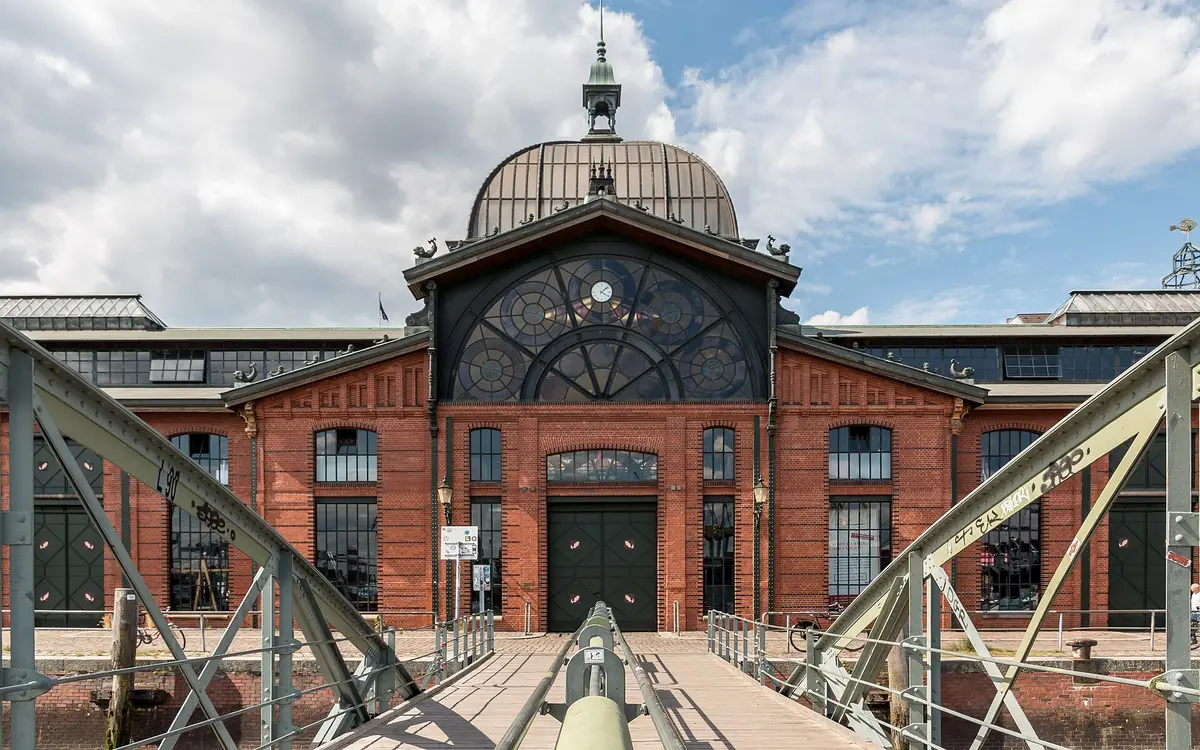
The Hamburg Fischmarkt runs on Sunday mornings only. According to hamburg.de, it opens from 5:00 to 9:30 between 15 March and 14 November, and from 7:00 to 9:30 between 15 November and 14 March. The market has existed since 1703 and sits on the Elbe bank, opposite the Fischauktionshalle.
Expect market sellers shouting their offers, fresh fish, and the standard Fischbrötchen, a bread roll with fish. The market area can flood during storm surges, so check the weather in autumn and winter. Most visitors come after a night out, so the early crowd is lively. If you prefer calm, arrive later in the window, closer to 8:00.
Can you visit the Elbphilharmonie Plaza?
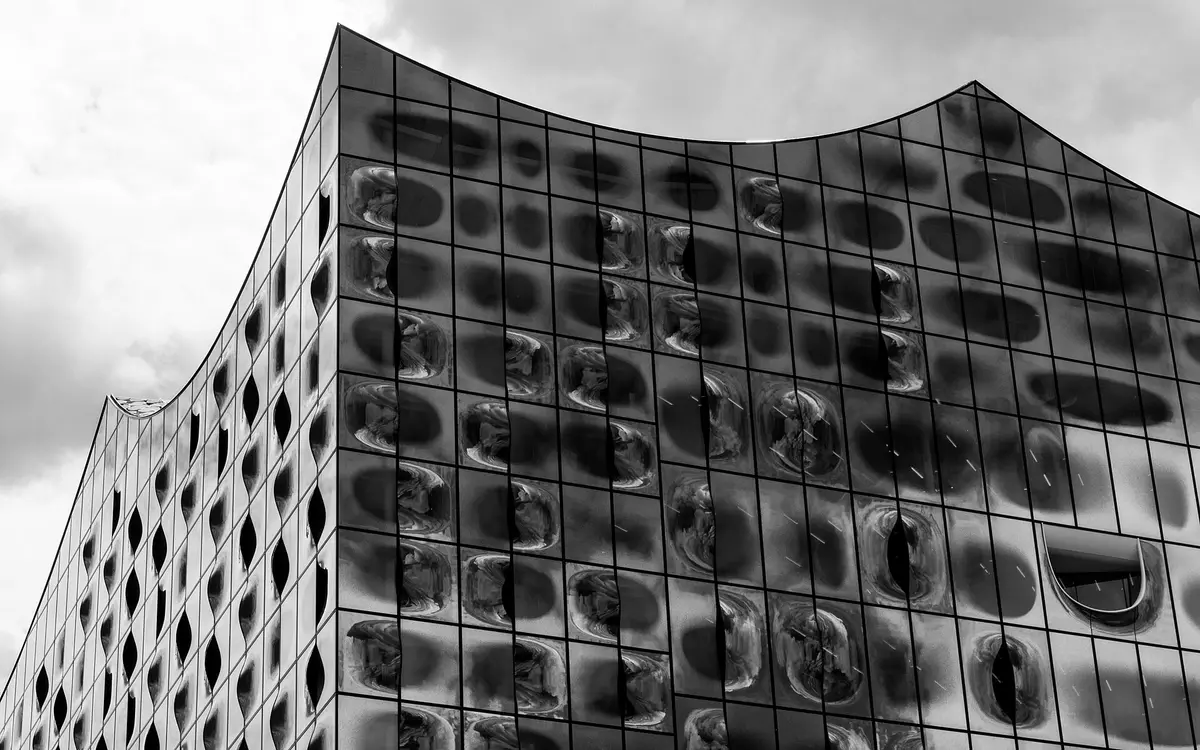
Yes, but it is no longer simply free. The Elbphilharmonie website lists a 5 euro booking fee per ticket for individuals, 3 euros reduced, and free entry for children under 3. You can book online or buy on site. Concert ticket holders can use the Plaza from two hours before their performance.
The Plaza is open daily from 10:00 to 24:00, with last admission at 23:30. It is closed on 24 December. It is a public viewing level about halfway up the building, with views over the harbour and the city. Prices and rules change, so confirm on the official page before you go.
The easiest way to get there is on foot along the harbour from the Landungsbrücken, or by public transport toward HafenCity.
What is the Speicherstadt?
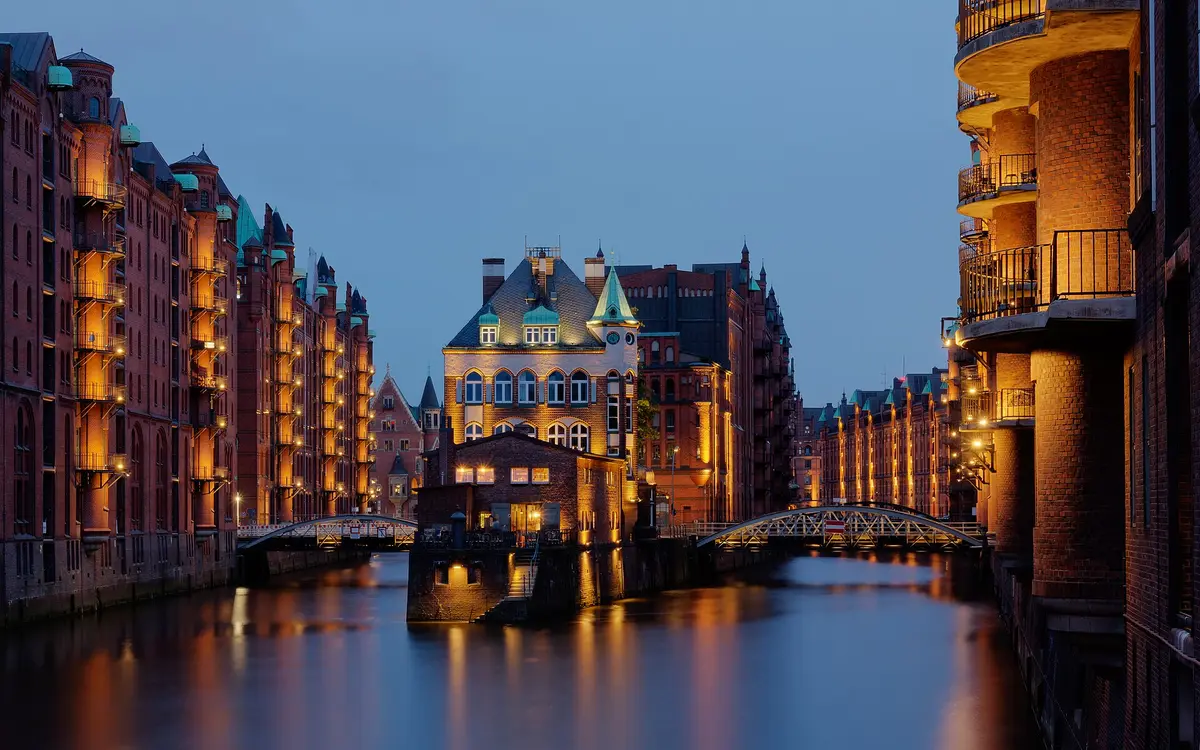
The Speicherstadt is a district of red-brick warehouses built along canals, used historically to store goods such as coffee, tea and spices. On 5 July 2015 UNESCO added "Speicherstadt and Kontorhaus District with Chilehaus" to the World Heritage list, Hamburg's first site there. It sits right next to HafenCity, the newer waterfront district where the Elbphilharmonie stands.
The best way to see it is on foot. Cross the bridges, follow the canals and look back at the gabled warehouses reflected in the water. Evening light and the lit-up facades make it a good late-afternoon stop. The Miniatur Wunderland model railway is also in the warehouses, but plan on a long visit if you go in.
Is the Michel church tower worth climbing?
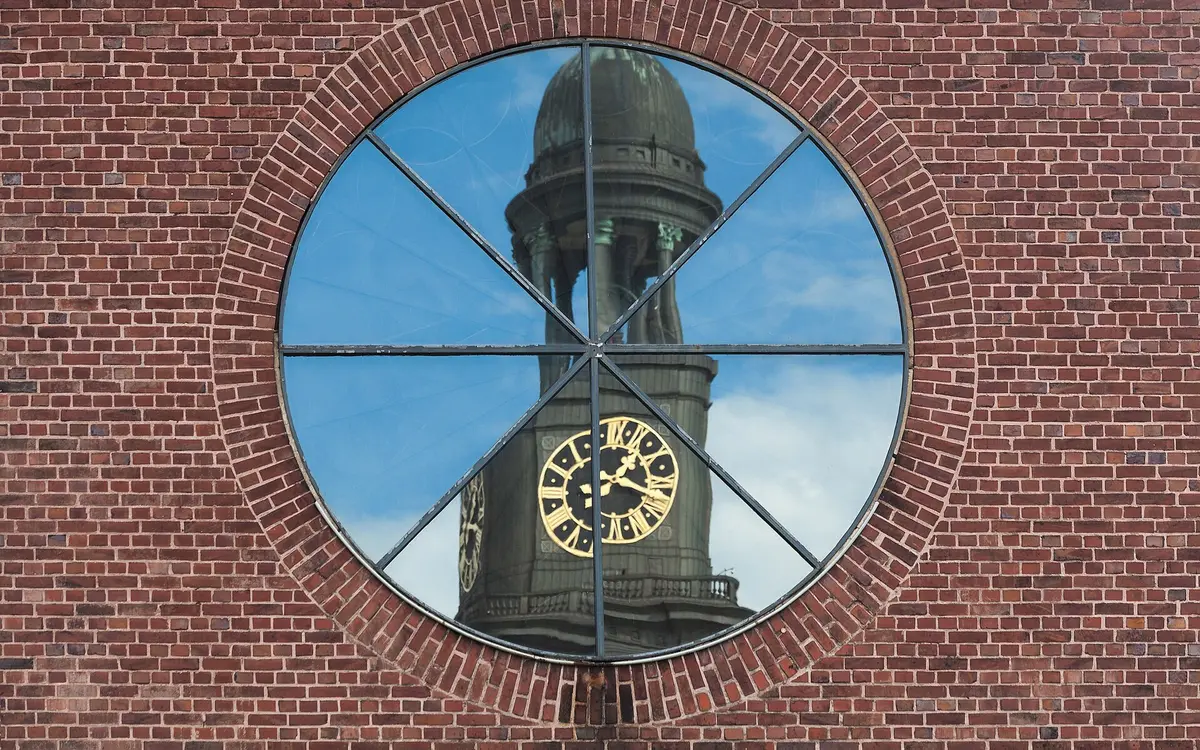
Yes, if the weather is clear. St. Michaelis, known as the Michel, is Hamburg's best-known church. The tower is about 132 metres tall according to Hamburg Tourismus, and visitors can go up for a view of the harbour and city. The tower is a paid ticket (from about 8 euros per Hamburg Tourismus), and the climb involves several hundred steps beyond the lift, so it is not a step-free visit.
Opening hours change with the season, with longer hours from May to September, so check the church's official site on the day. The church is a short walk from the Landungsbrücken, so it works as the last stop of a harbour loop or the first one of a day.
How do you get to Hamburg from Berlin, Hannover or Bremen?
Hamburg Hauptbahnhof is the main station for all three routes. From there, the Reeperbahn is a short S-Bahn ride, or you can take a ferry from the Landungsbrücken.
- From Berlin: direct ICE trains take roughly 1 hour 45 minutes to 2 hours. Berlin to Hamburg is a day trip, but a night out means you should book a room or the last train back. See our list of day trips from Berlin for other ideas.
- From Hannover and Bremen: direct regional and long-distance trains run through the day. Regional trains (RE and RB) are covered by the Deutschlandticket, ICE and IC are not. Compare both on bahn.de.
Hamburg is also a good base for smaller towns nearby. If you have a second day, the old town of Lüneburg is a short train ride away, and the Baltic towns in our Schwerin and Wismar weekend are reachable too.
Plan your visit: a day and an evening
This route is walkable, with one ferry ride. Times are suggestions, not fixed schedules.
- Sunday 6:00: Fischmarkt and a Fischbrötchen (earlier in winter, the market starts at 7:00). Look at the Fischauktionshalle.
- 9:30: walk uphill to the Reeperbahn and Beatles-Platz while it is quiet.
- 10:30: go down to the Landungsbrücken and take line 62 to Övelgönne. Walk the beach and come back by ferry.
- 13:00: lunch near the harbour, then walk to the Michel for the tower.
- 15:30: walk to the Speicherstadt and on to HafenCity.
- 17:30: Elbphilharmonie Plaza at sunset (book a time slot ahead).
- 20:00: dinner, then the Reeperbahn for music venues if you want a night out. Leave knives at the hotel.
On a weekday or Saturday, skip the market and start at 9:30 instead.
How much does a day in St. Pauli cost?
The walking is free, and the ferry is covered by a Deutschlandticket or a normal HVV ticket. Budget for the Plaza (5 euros), the Michel tower, meals and any club entry. Drinks and food near the Reeperbahn are priced like a big-city nightlife area, so eat a few streets away to save money. For how this compares with daily costs elsewhere, see our cost of living in Germany guide, and for what to order, our piece on German food culture. And if your salary has gone up since you moved to Hamburg, our guide to switching from public to private health insurance explains whether that is now an option.
FAQ
Is the Reeperbahn dangerous?
Not for most visitors. It is crowded at weekends, so watch your belongings and your drinks. A weapons ban covers the area, including pocket knives, with a 150 euro fine for a first offence.
Is the Elbphilharmonie Plaza free?
No. The official site lists a 5 euro ticket, 3 euros reduced, with free entry for children under 3. The Plaza is open daily from 10:00 to 24:00.
Is the Deutschlandticket valid on the Hamburg harbour ferries?
Yes. Hamburg Tourismus says a Deutschlandticket works on the HADAG harbour ferry lines, including line 62 from the Landungsbrücken to Finkenwerder.
When is the Hamburg Fischmarkt open?
Sundays only. It runs from 5:00 to 9:30 between 15 March and 14 November, and from 7:00 to 9:30 between 15 November and 14 March.
Can you do the Reeperbahn as a day trip from Berlin?
Yes, by ICE in under two hours each way, but the Reeperbahn is a night-time area. For a full evening, stay over or check the last train home on bahn.de.