Lüneburg Germany Things to Do: Day Trip Guide
Lüneburg Germany things to do: salt-trade old town, Stintmarkt, Salt Museum and the heath, with train tips from Hamburg and a one-day route.
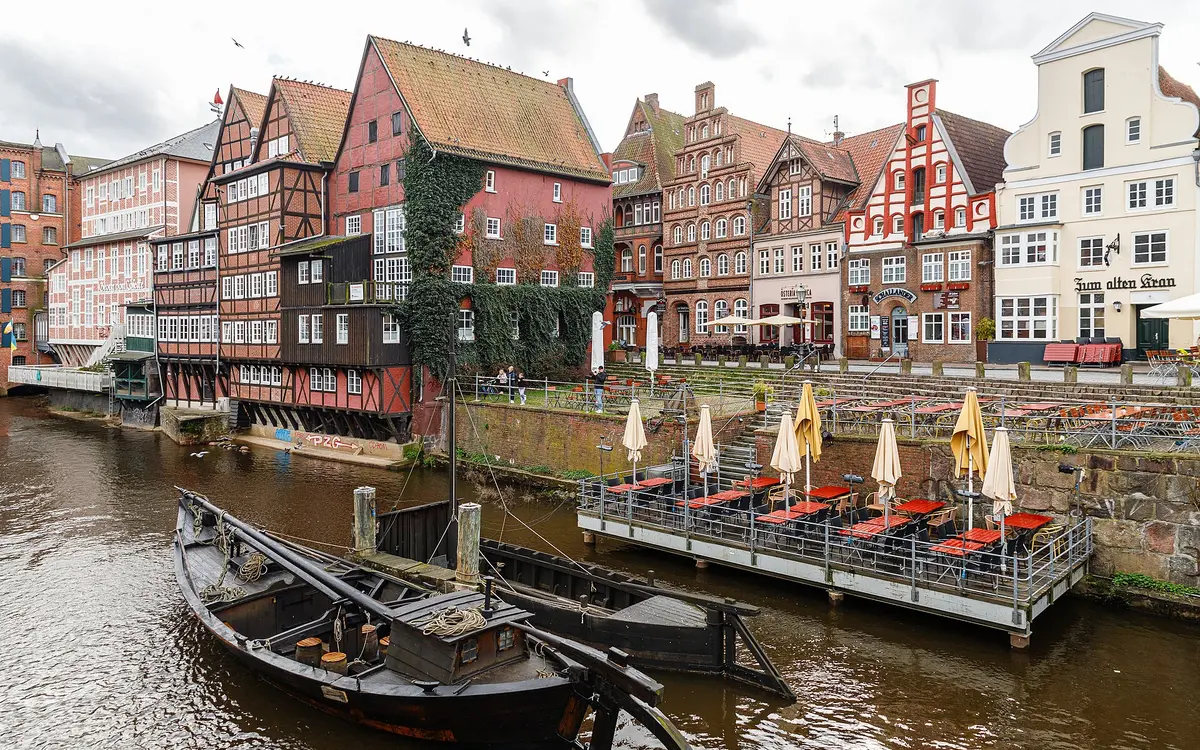
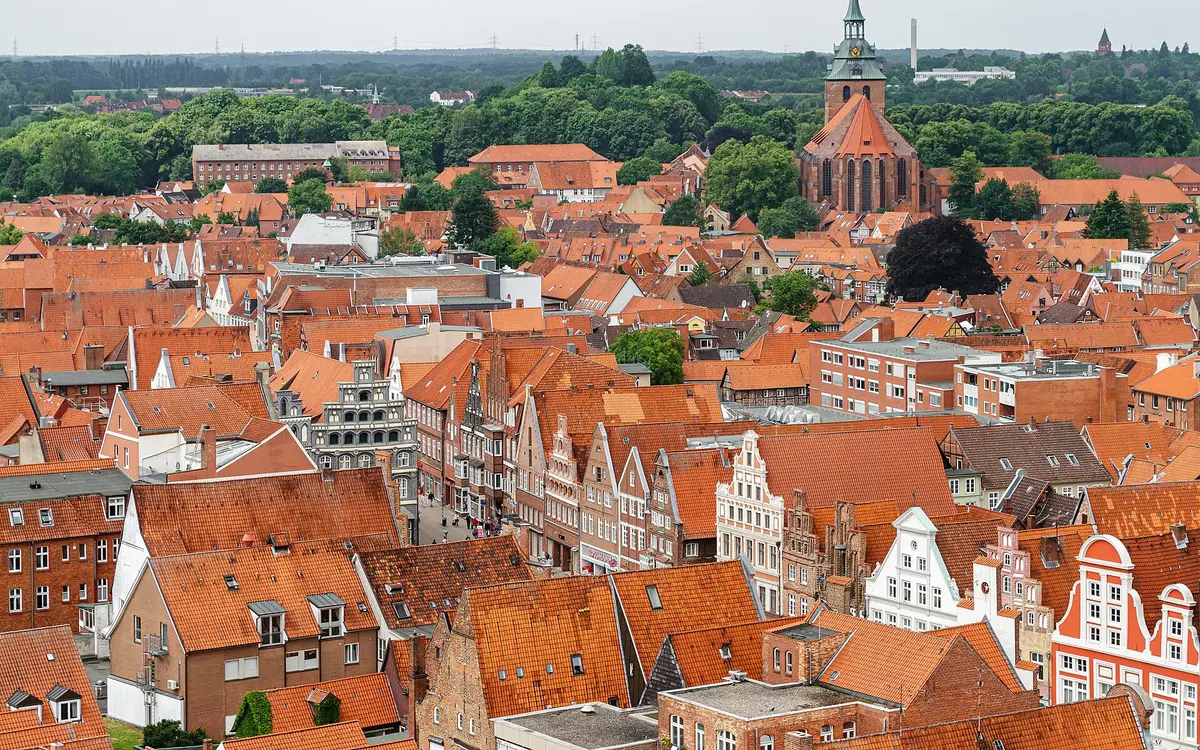
Lüneburg is a Hanseatic town in Lower Saxony, about 60 km south-east of Hamburg, whose red-brick old town was built on medieval salt wealth. A direct ICE from Hamburg takes roughly 24 minutes, the centre is walkable in a day, and the Lüneburg Heath begins just beyond the town.
Most visitors to northern Germany stop in Hamburg and never continue. For an expat who wants a weekend trip without a long journey, Lüneburg is one of the easiest options. This guide covers the main Lüneburg Germany things to do, how to get there, what to budget and how to combine the old town with the heath.
Quick facts
- Getting there: a direct ICE from Hamburg Hauptbahnhof takes about 24 minutes on the fastest connections, and the Metronom regional line also runs Hamburg to Lüneburg. Berlin to Lüneburg takes about 2 hours 10 minutes by train. Check bahn.de for your date.
- Deutschlandticket: valid on regional trains such as the Metronom, not on ICE or IC. Use a regional connection if you already hold one.
- Best time: late spring to early autumn for walking, and August to early September if you want to see the heather in bloom.
- Cost: the old town is free to walk. Budget for food, the Salt Museum and a train ticket if you have no Deutschlandticket.
- Time needed: half a day for the town alone, a full day if you add the heath.
- Ticket tip: ICE fares from Hamburg start at 9.99 euros on some early departures according to bahn.de, so compare that with the regional train before you buy.
Why is Lüneburg called the salt town?
The town sits on a salt deposit, and that deposit made it one of the wealthiest Hanseatic cities. According to the Hamburg tourism board, Lüneburg was first documented in 956, when the saline already existed, and salt was its most important trade good. The old salt road, the alte Salzstraße, ran from here to Lübeck, where the salt went on to Baltic ports.
Salt was used to preserve fish, which made it a valuable commodity across northern Europe. A geoscience paper by Frank Sirocko (University of Mainz, 2012) puts medieval output at roughly 10,000 to 14,000 tonnes of dry salt a year. The saline shut down in 1980.
Why do the houses in Lüneburg lean and sink?
Part of the old town stands above the salt deposit, and heavy salt extraction caused that area to sink. The result is the crooked, tilted rows of houses you see in the western old town, especially along the street Auf dem Meere. Some buildings have been secured with steel beams or anchors, and others were given up.
The geoscience paper cited above links the house damage to the salt extraction itself. Treat the leaning streets as a living piece of industrial history rather than a trick of the camera. If you walk there, look at the window lines and door frames rather than just the rooflines.
What is there to see on Am Sande and at the Rathaus?
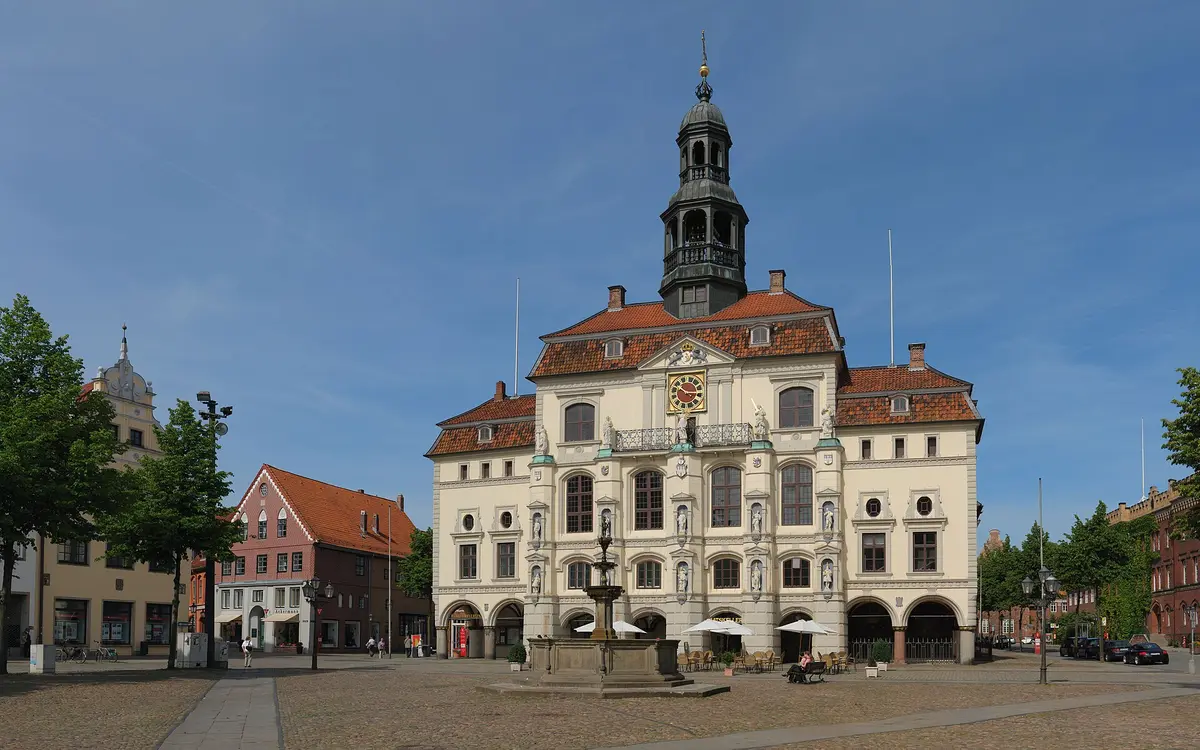
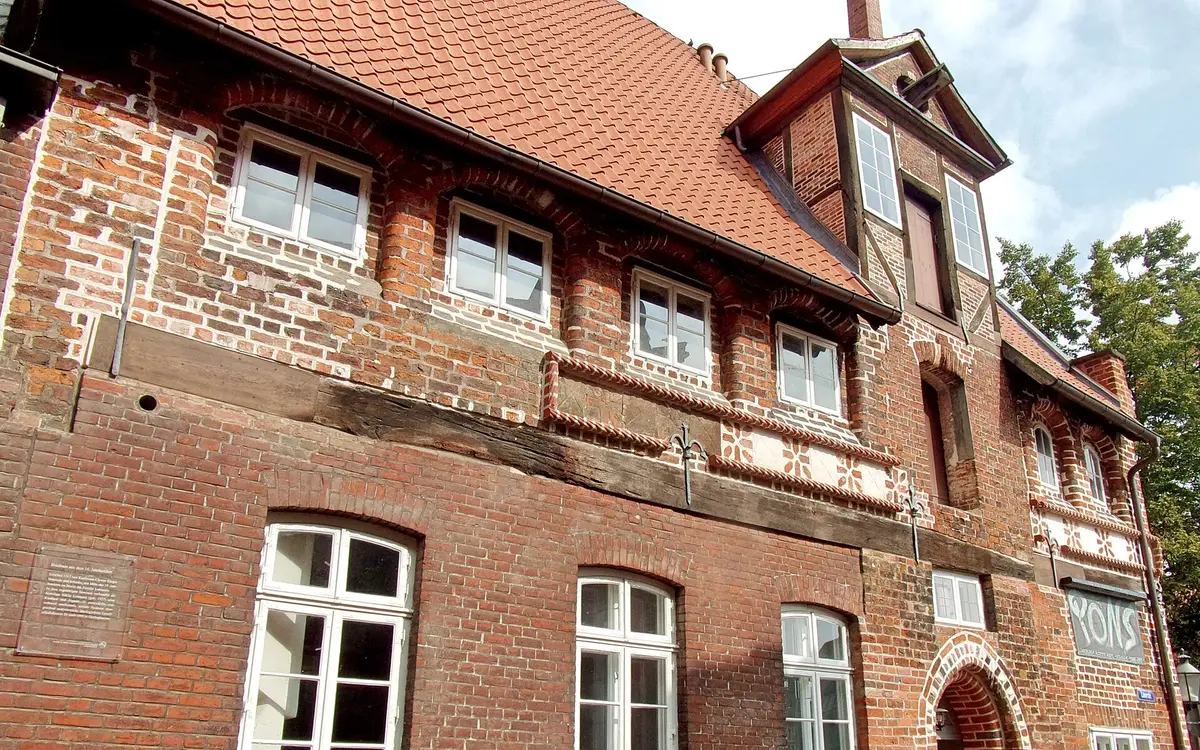
Am Sande is less a street than a long open square, framed by gabled brick houses. The tourism board describes it as looking more like a marketplace, and most of the town's main sights lie within easy walking distance of it. One of its listed buildings is the former headquarters of the chamber of commerce at number 1, which has a stepped brick gable.
The Rathaus stands at Am Markt, and the official Tourist-Information office is inside it. The town offers guided tours of the historic town hall, which is the practical way to see its rooms. Check the Lüneburg tourism site for current tour dates, since there is no fixed schedule listed here.
Three Gothic churches complete the picture: St. Johannis, St. Michaelis and St. Nikolai. You can see all three from the street without a ticket.
What are the Stintmarkt and the Alter Kran?
The Stintmarkt is the harbour square on the Ilmenau river in the Wasserviertel, the old water quarter. It is lined with small bars and restaurants and has views of the Alter Kran, the historic crane that once loaded salt onto trading ships. The crane is listed as a monument at Am Stintmarkt.
Evenings here are lively, partly because of students from Leuphana University, according to the tourism board. If the weather is dry, this is the best place for a late lunch or an early drink before the train home.
What is in the German Salt Museum?
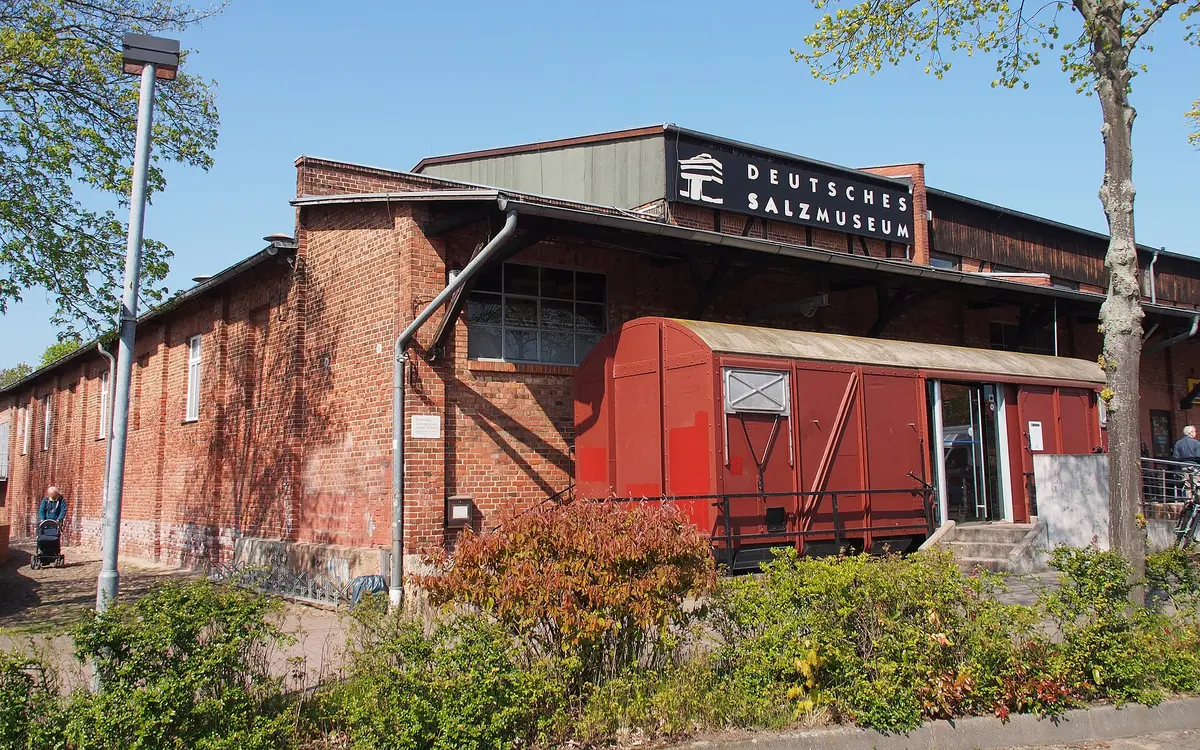
The Deutsches Salzmuseum is the place to understand how salt shaped the town. It sits on the site of the former saline, which is why the setting matters as much as the exhibits. The museum's own site is salzmuseum.de.
The museum's website lists opening hours of Tuesday to Sunday, 10:00 to 17:00, with Mondays closed. Admission is 10 euros for adults and 6 euros reduced, with free entry for visitors under 18. Public guided tours cost 3 euros extra. The site notes that the Siedehütte (boiling hut) is currently open only on a limited basis, so confirm which parts are open before you go.
Can you combine Lüneburg with the Lüneburg Heath?
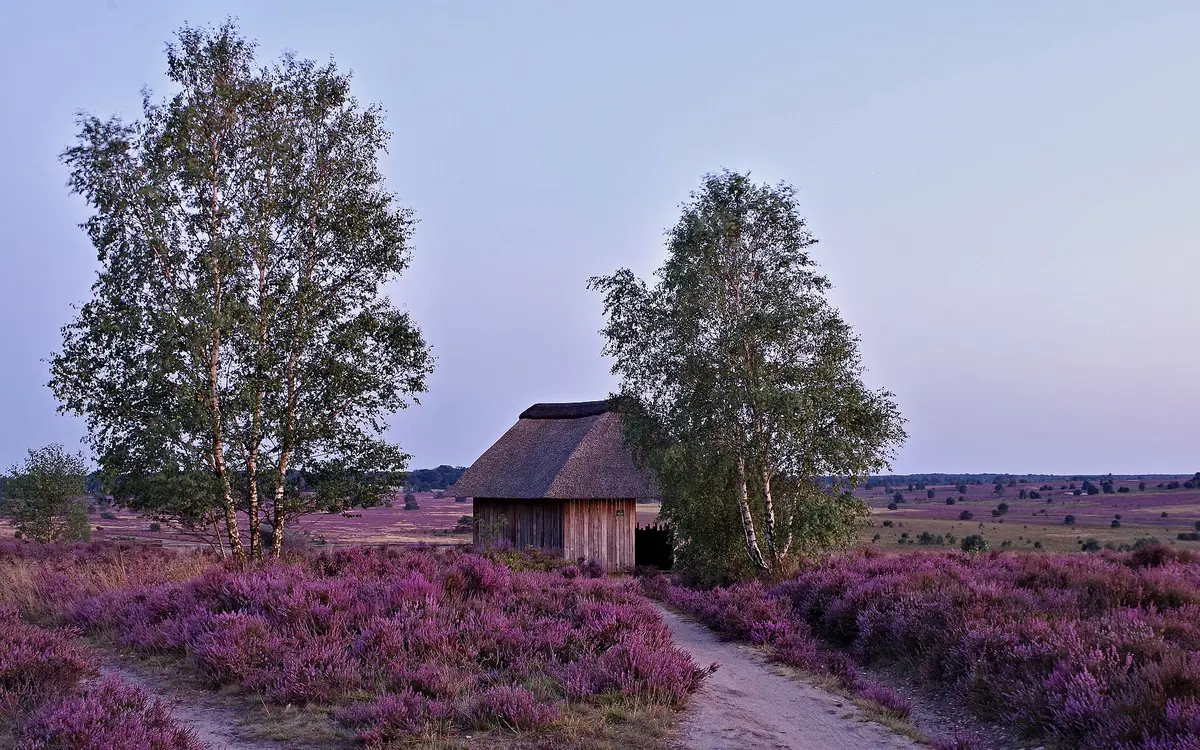
Yes. Lüneburg sits on the eastern edge of the Lüneburger Heide, and the heath tourism site gives car journeys of about 20 minutes from the town to heath areas such as Undeloh, Salzhausen or Amelinghausen. Without a car, take the Metronom from Lüneburg to Schneverdingen or Soltau and switch to the Heide Shuttle in summer. Ticks are part of life on the heath, so a doctor's visit afterwards is easier when you know which private health insurers are worth comparing.
According to the heath's official FAQ, the free Heide Shuttle runs from early July to early October on six ring-bus lines with about 100 stops in the Naturpark. Buses carry bike trailers. The car-free village of Wilsede, reached on foot, by bike or by horse-drawn carriage, is the classic heath walk.
When does the Lüneburg Heath bloom?
The same FAQ says the heather usually blooms from early August to early September, with the peak often in the last week of August. Its rule of thumb is 8 August to 9 September, and it notes that in the last three years the bloom started in the last week of July. Weather and rainfall shift the dates every year.
The region runs a bloom tracker called the Heideblüten-Barometer on its website, so check it before you commit to a date. In a late or weak year you may arrive to brown slopes, and the barometer prevents that.
How do you get to Lüneburg from Hamburg and Berlin?
From Hamburg, Deutsche Bahn's connection page lists the fastest direct ICE at about 24 minutes, with up to 48 direct connections a day and fares from 9.99 euros on some early departures. The regional Metronom line RE3 also runs Hamburg to Lüneburg to Uelzen. It takes longer than the ICE, but the Deutschlandticket covers it.
From Berlin, the heath tourism site gives a train journey of about 2 hours 10 minutes. By car it quotes about 2.5 hours. That is long for a day trip, so for Berlin residents an overnight stay works better. For nearer Berlin options, see our guide to day trips from Berlin.
Lüneburg station is central, and regional and long-distance trains stop directly there. For more rail ideas around Germany, read our list of weekend trips in Germany by train.
What does a day in Lüneburg cost?
Walking the old town, Am Sande, the Stintmarkt and the churches from outside costs nothing. Your spending is the train, lunch, and paid sights such as the Salt Museum or a Rathaus tour. With a Deutschlandticket and a regional train, the trip adds almost nothing to your monthly cost. Without one, compare an ICE saver fare with a regional ticket. Prices and tour fees change, so confirm them on the official sites, and see our cost of living guide for general price levels.
When is the best time to visit?
Late spring to early autumn is the most comfortable time for walking the old town and sitting outside at the Stintmarkt. August to early September adds the heather, which makes it the strongest month for a combined trip. Winter works for the old town alone, but the heath shuttle buses stop running in early October, so reaching the heath without a car gets harder.
Plan your visit: a one-day route
- 09:00: arrive at Lüneburg station and walk into the old town.
- 09:30: Am Sande and the brick-gabled houses, then the Rathaus at Am Markt.
- 11:00: German Salt Museum, allowing about 1.5 hours.
- 12:45: walk to the leaning streets of the western old town.
- 13:30: lunch at the Stintmarkt, with a look at the Alter Kran.
- 15:00: Metronom to Schneverdingen or Soltau, then the Heide Shuttle (summer only), or a taxi or bike from Lüneburg.
- 18:00: return to Lüneburg and take a train home.
Check shuttle times before you go, because the heath leg needs planning. If you only have a half day, skip the heath and stay in town. If you travel on to the coast afterwards, our guide to Schwerin and Wismar is a good next Hanseatic stop, and Hamburg itself is covered in our Reeperbahn and St. Pauli guide.
FAQ
Is Lüneburg worth a day trip from Hamburg?
Yes. A direct ICE takes about 24 minutes, and the old town, Stintmarkt and Salt Museum fit into one day.
How long does the train from Hamburg to Lüneburg take?
About 24 minutes on the fastest direct ICE, according to Deutsche Bahn. Regional trains take longer, so check bahn.de for your date.
Does the Deutschlandticket cover Lüneburg?
Yes on regional trains such as the Metronom. It does not cover ICE or IC trains.
When does the Lüneburg Heath bloom?
Usually from early August to early September, with the peak often in the last week of August. Check the official Heideblüten-Barometer before you go.
Why are the houses in Lüneburg crooked?
Part of the old town sits above a salt deposit, and heavy salt extraction caused the ground there to sink, so some buildings tilted.