Baltic Sea Trip Germany: Rügen, Usedom, Stralsund
Plan a Baltic Sea trip in Germany: Stralsund old town, Rügen's chalk cliffs and Usedom's Ahlbeck pier, with trains from Berlin and a 3-day route.
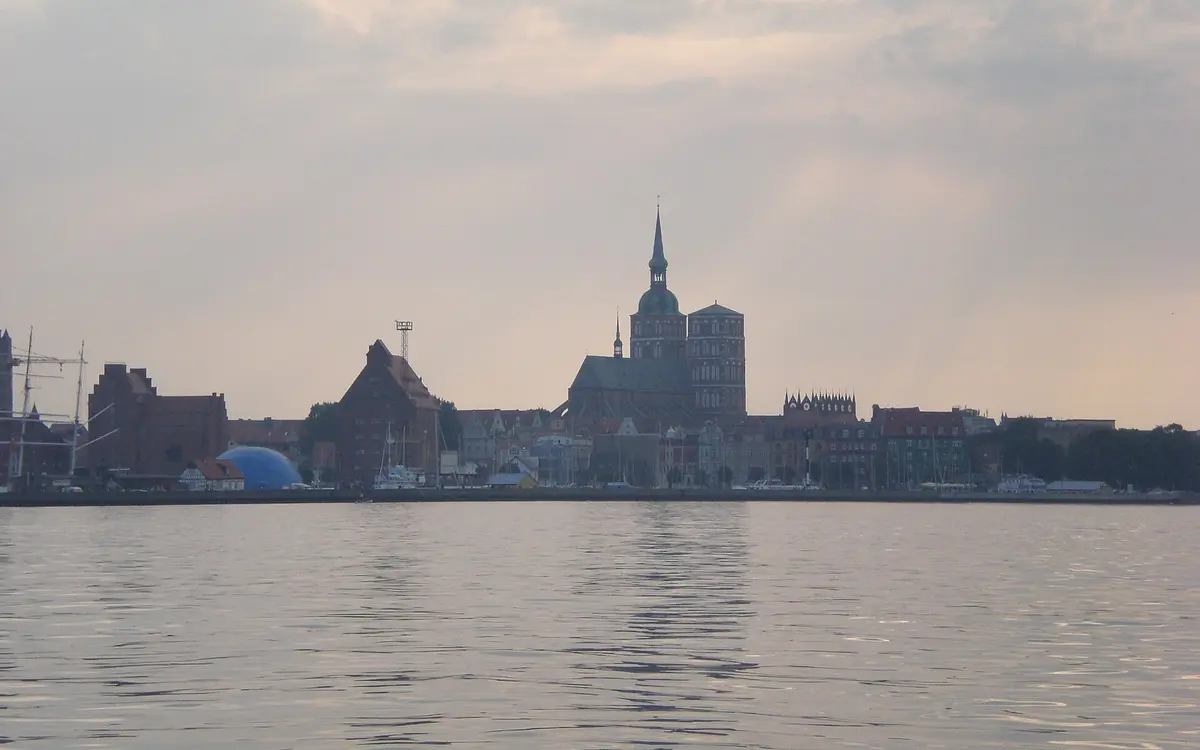
The best Baltic Sea trip in Germany combines three stops: Stralsund for its UNESCO-listed Hanseatic old town, Rügen for the white chalk cliffs of Jasmund National Park, and Usedom for the sandy beaches and historic piers of the Kaiserbäder. Three days is enough, and all three are reachable by train from Berlin.
If you live in Berlin or Hamburg and want sea air without flying, this is the classic northeast route. This guide covers what to do in each place, how to get there, what it costs and what is not worth your time, so you can book a long weekend with confidence.
Quick facts
- Route: Stralsund (old town and harbour), Rügen (Jasmund National Park and the Königsstuhl), Usedom (Ahlbeck, Heringsdorf, Bansin).
- Getting there: from Berlin, roughly three hours by regional train to Stralsund and a change in Züssow for Usedom. Check bahn.de for your date, because track works are common.
- Deutschlandticket: valid on regional trains (RE, RB), which covers the Stralsund line and the Usedomer Bäderbahn. It does not cover ICE or IC trains.
- Best time: June to early September for beach weather, May and late September for fewer crowds.
- Key prices: Ozeaneum 20 euros, Königsstuhl National Park Centre 14 euros, Gorch Fock 1 ship 4 euros (all adults, see below).
- Time needed: three days. A single day will not cover more than Stralsund.
Is Stralsund worth visiting?
Yes. Stralsund is the natural base for the trip: a compact brick-Gothic harbour town that sits right at the bridge to Rügen. Together with Wismar, its old town is listed by UNESCO as the Historic Centres of Stralsund and Wismar, inscribed in 2002.
UNESCO notes that both towns were leading centres of the Wendish group of the Hanseatic League from the 13th to the 15th century, and later fortified trading cities under Swedish rule. If you want the other half of that listing, the Schwerin and Wismar weekend trip covers Wismar.
What are the best Stralsund things to do?
Start with a walk through the old town, which sits on an island between the sea inlet and several ponds, so everything is within a short distance. Brick church towers and the town hall mark the skyline, and the harbour is where most visitors end up for a fish sandwich.
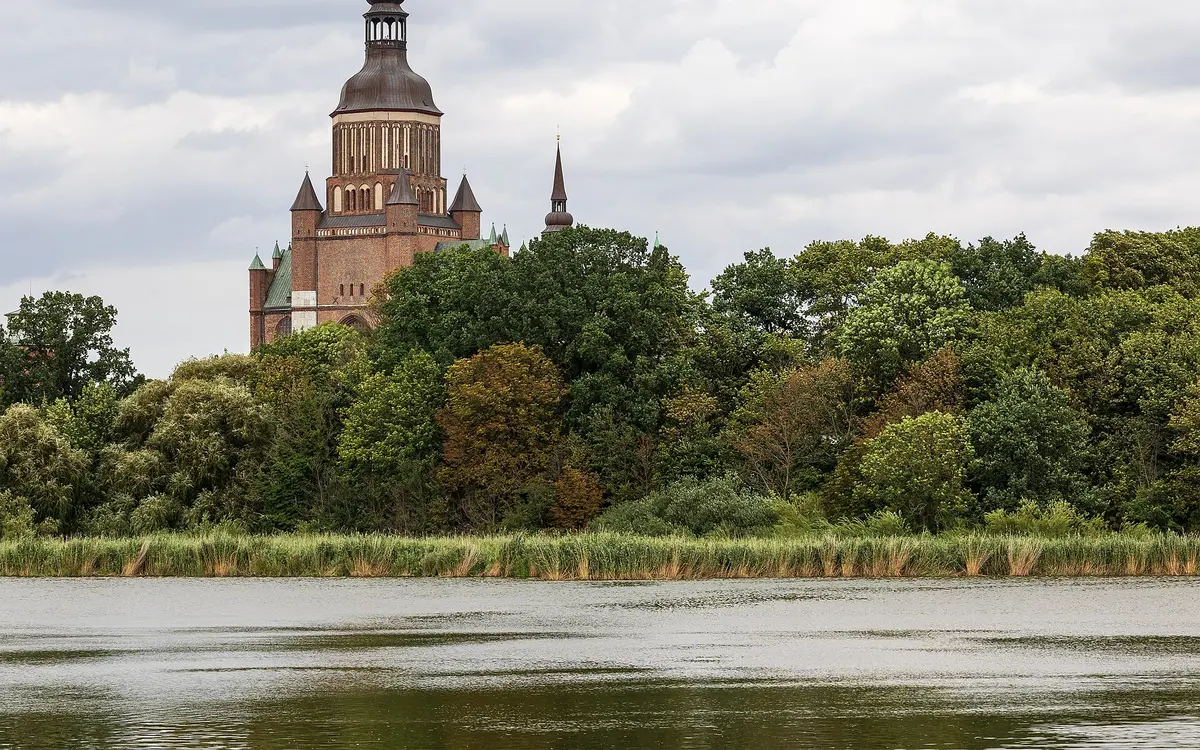
The Marienkirche is the main landmark. The tower has a viewing level at about 90 metres, and you can climb it (roughly 366 steps) for a view over the old town, the harbour and across the water to Rügen. Opening times and the ticket price change by season, so check with the parish before you plan a fixed hour. Expect a spiral staircase and steep wooden sections near the top.
Is the Ozeaneum worth the money?
For most visitors, yes, especially with kids or on a rainy day. The Ozeaneum is the main aquarium of the German Oceanographic Museum, and it focuses on the North Sea and Baltic Sea rather than tropical fish. It is open daily, and the museum's own page lists the following:
- Hours: 9:30 to 17:00 daily, with ticket sales closing 60 minutes before closing. In July and August it opens until 19:00.
- Adult ticket: 20 euros, reduced 16 euros, children aged 4 to 16 pay 12 euros.
- Exceptions: closed on 24 December and 9:30 to 15:00 on 31 December.
Prices and hours can change, so confirm them on the official Ozeaneum page before you go. Plan around two hours inside.
What is the Gorch Fock 1?
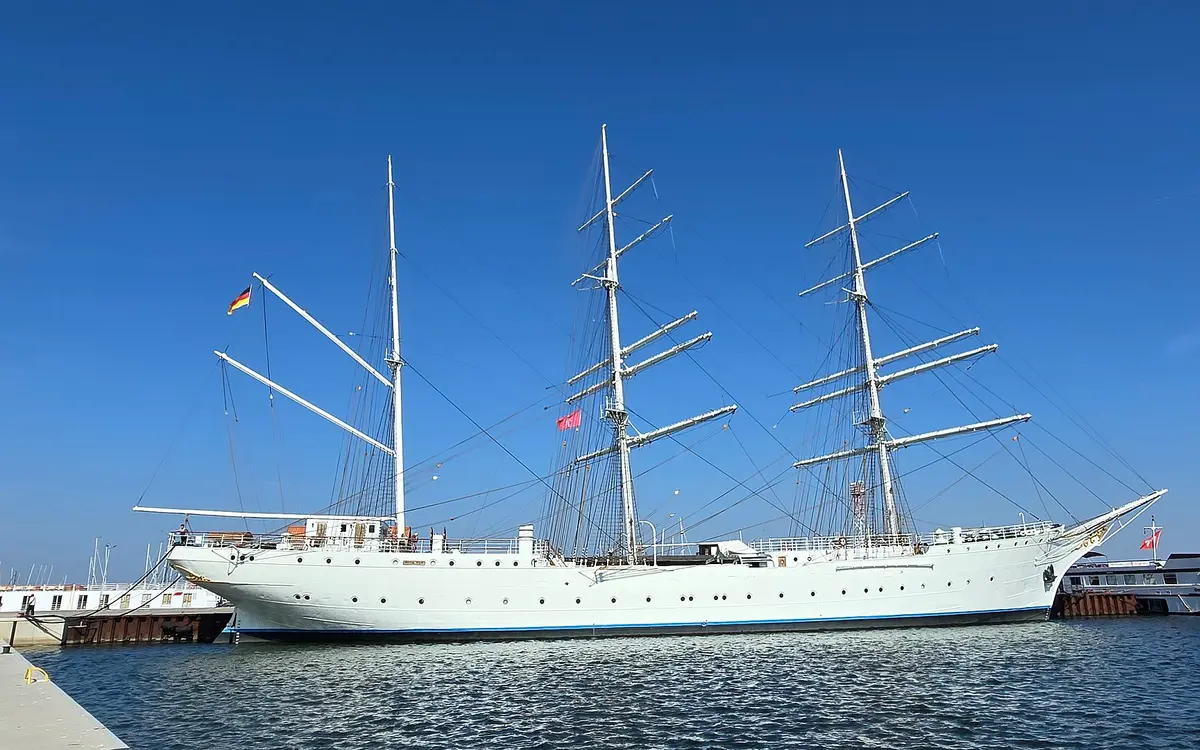
The Gorch Fock 1 is a three-masted sailing ship from the 1930s that now lies in Stralsund harbour as a museum ship. It is an easy stop on a harbour walk.
According to the ship's own site, in 2026 you can board the ship but only the outdoor deck area can be visited, and the interior is closed for planned work. Visiting hours are Tuesday to Saturday, 11:00 to 16:00, from 1 April to 31 October, and the ship is closed from 1 November to 31 March. Adult entry is 4 euros. The details are on the ship's prices and hours page.
How do you see the Rügen chalk cliffs?
The Rügen chalk cliffs are in Jasmund National Park, on the northeast coast of the island near Sassnitz. The park describes itself as the smallest national park in Germany, and its chalk is about 70 million years old. The highest point of the park, the Piekberg, reaches 161 metres.
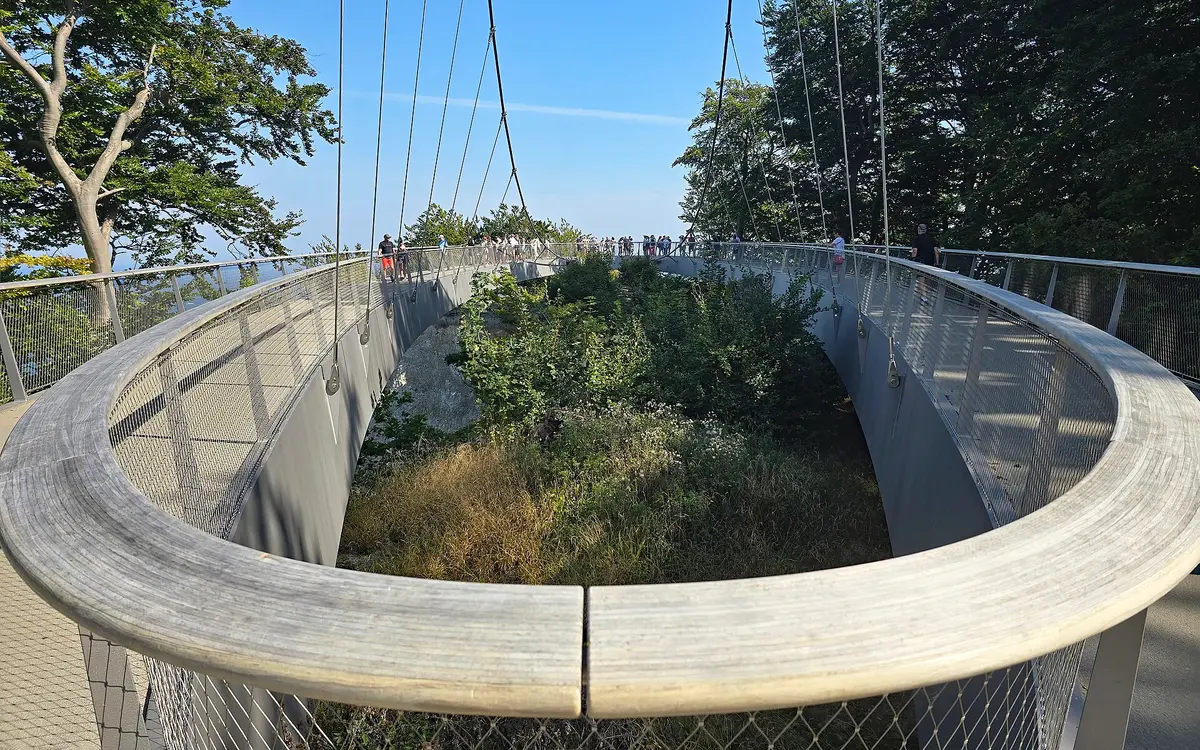
The famous viewpoint is the Königsstuhl. Most people go to the National Park Centre Königsstuhl, which has an exhibition and the Skywalk, a raised platform that gives a view of the cliff face from above the forest. According to the centre's website, it is open every day of the year, currently listed as 9:00 to 18:00. Admission is 14 euros for adults, 8 euros for children aged 6 to 14, 30 euros for families, and free for children up to 5. Check the National Park Centre website for seasonal changes and online tickets.
Private cars cannot drive up to the centre because of nature protection rules, so plan to park in Sassnitz or Hagen and take the shuttle bus or walk. The walk through the forest is part of the experience.
Are the Rügen beech forests UNESCO-listed?
Yes. The park says 493 hectares of beech forest in its core are UNESCO World Heritage, as part of the wider listing of ancient and primeval beech forests. That is why a walk along the cliff-top trail is as much about the trees as the chalk. Stay on marked paths, because the cliff edge is unstable and erodes after rain and frost.
What is the Rasender Roland?
The Rasender Roland is Rügen's narrow-gauge steam railway, run by the Rügensche BäderBahn. It runs on a 750 mm track from Putbus through Binz, Sellin and Baabe to Göhren, with trains pulled by a steam locomotive, and the operator's pages quote a speed of 30 km/h.
It is a slow, scenic ride between the seaside resorts on the southeast side of the island, with a dining car and an open observation car on offer. A day ticket allows unlimited hopping on and off, which suits a stop in Binz or Sellin. Because it is a heritage line, it has its own fare rules, and a Deutschlandticket holder may have to pay a surcharge, so check with the operator first. It is a nice extra, but it is not on the way to the chalk cliffs, so only add it if you have a full extra day on Rügen.
What are the Kaiserbäder on Usedom?
The Kaiserbäder, or imperial resorts, are three neighbouring seaside towns on Usedom's Baltic coast: Ahlbeck, Heringsdorf and Bansin. They grew into fashionable bathing resorts in the 19th century, and the white villas along the promenade are the reason people visit.
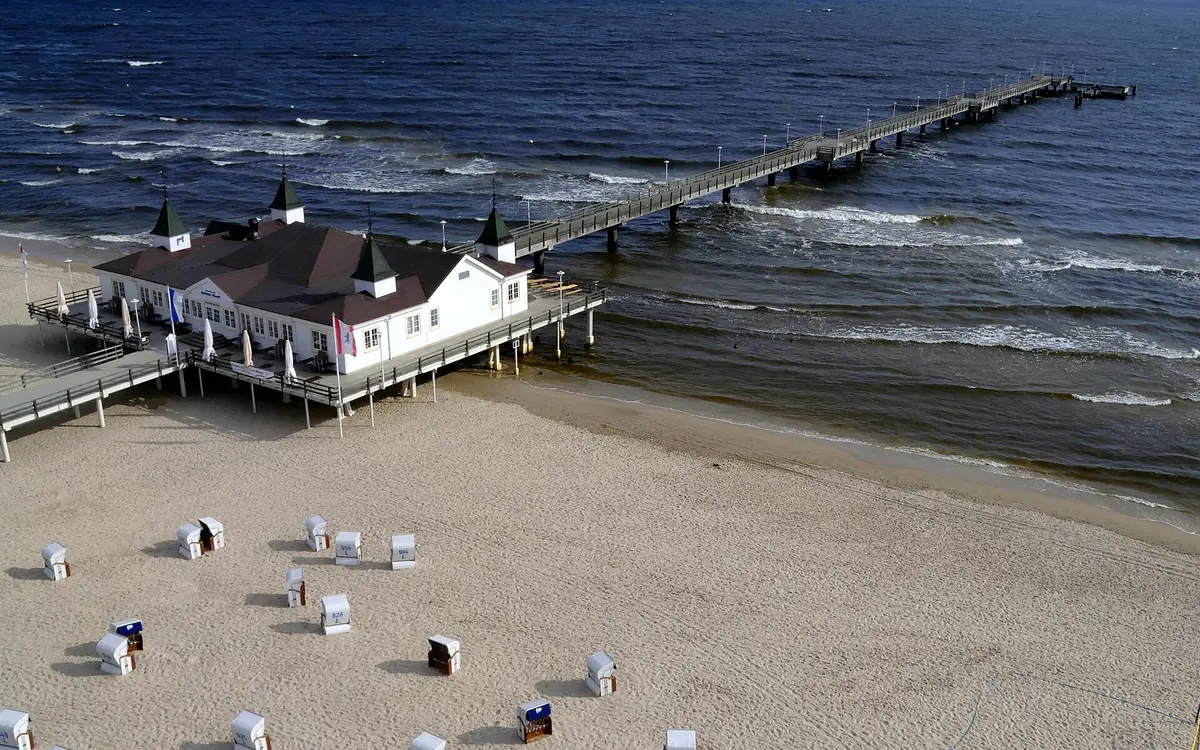
Ahlbeck is the one most visitors choose to stay in. According to the Kaiserbäder tourism site, its pier has stood since 1898 and is described as the oldest surviving pier in Germany. Walk out at dusk, when it is lit, and keep going along the promenade to Heringsdorf, which has the longest stretch of villas.
What is a Strandkorb and what is the Kurtaxe?
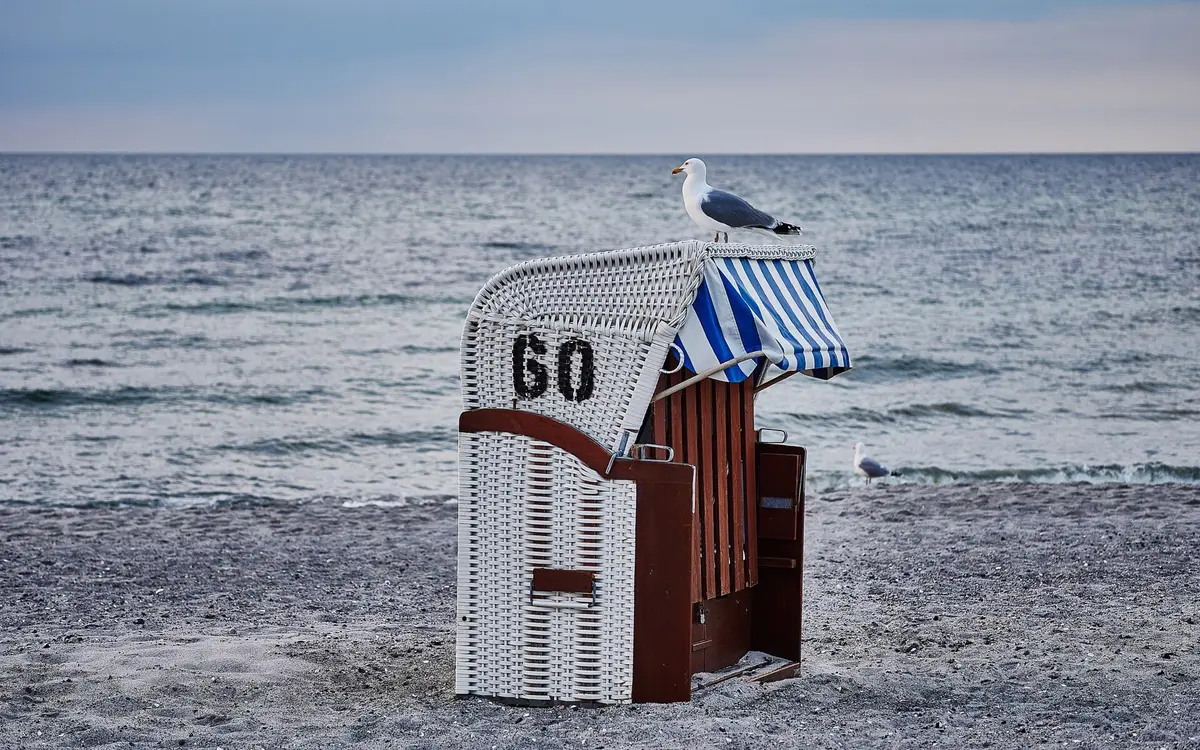
A Strandkorb is a hooded wicker beach chair that you rent for a day or a week and set up on the sand. It protects you from wind, which on the Baltic matters more than the sun. Rental prices differ by beach and season, so ask at the kiosk on the beach access or at your accommodation instead of relying on a number from a blog.
The Kurtaxe, or visitor tax, is the other thing expats are surprised by. Resorts charge it per person and per day, collected through your accommodation, and day visitors can pay at the tourist office or at machines. Children under six are exempt. In the Kaiserbäder the peak-season rate is a few euros per person per day (published figures range from about 3.30 to 3.70 euros, depending on the year). Paying it gives you a UsedomCard, which has served as a ticket for the UBB regional bus network, so check what it covers. Ask your host for the exact current rate.
How do you get to Stralsund, Rügen and Usedom from Berlin?
From Berlin, regional trains reach Stralsund in about three hours, and the regional lines are covered by the Deutschlandticket. There is no direct train from Berlin to Usedom. The usual route is to Züssow, where you change to the Usedomer Bäderbahn (UBB), which serves the island from Zinnowitz down to Ahlbeck. The UBB is part of the Deutsche Bahn group, and the line to the Kaiserbäder is RB23. Allow about four hours from Berlin to Heringsdorf.
From Hamburg, you will usually change at least once, so allow a long half day and look at the connection on bahn.de. If you are weighing this against a different direction, the Hamburg guide is a good city stop before or after, and day trips from Berlin lists closer options if you only have one day.
Once on Rügen, Sassnitz is the gateway to Jasmund, and regional trains and buses run there from Stralsund. Timetables on the island change by season, so check them before you book accommodation. For more train-friendly weekends elsewhere, see weekend trips in Germany by train.
When is the best time to go?
July and August are the warmest and the busiest, with the longest Ozeaneum hours. May, June and September are quieter and still good for walking. Winter is possible for cliff-top hikes and empty promenades, but the Gorch Fock is shut and many beach businesses close, so expect a different kind of trip.
How much does the trip cost?
Three days is not a cheap trip in peak season, because coastal accommodation is the main cost and prices rise sharply in summer. Sights are modest: Ozeaneum 20 euros, Königsstuhl 14 euros and the Gorch Fock 4 euros per adult, plus the Kurtaxe and the Rasender Roland if you add it. With the Deutschlandticket, regional transport is a fixed monthly cost you may already pay. For a broader sense of everyday prices, see the cost of living in Germany guide. If you work remotely and combine a coastal break with work, our guide to health insurance options for self-employed people may be useful.
Plan your trip: a sample 3-day route
Day 1, Stralsund. Arrive in the morning, walk the old town and the harbour, and see the Gorch Fock from outside. Climb the Marienkirche tower, then spend the afternoon in the Ozeaneum. Stay overnight in Stralsund.
Day 2, Rügen. Take the regional train or a bus to Sassnitz, then walk through the beech forest to the Königsstuhl National Park Centre and the Skywalk. Book the early slot if it is summer. Return to Stralsund or continue by train toward Usedom the next morning.
Day 3, Usedom. Travel via Züssow to Ahlbeck. Walk the pier, rent a Strandkorb for the afternoon and finish with a promenade walk to Heringsdorf. Leave by the UBB in the evening and connect to Berlin, leaving a buffer for the change in Züssow.
What should you skip?
Skip trying to fit all three places into two days. The travel between them eats the time, and you end up seeing platforms instead of beaches. Skip the Rasender Roland if you only have one day on Rügen, because the Königsstuhl is the better use of it. Skip driving to the Königsstuhl, since cars cannot reach the centre. And skip July weekends without a booking: rooms and parking go first.
FAQ
How many days do you need for Stralsund, Rügen and Usedom?
Three days is the practical minimum: one for Stralsund, one for the Rügen chalk cliffs and one for Usedom. With a fourth day you can add the Rasender Roland steam railway or a longer beach stay.
Can you reach Usedom from Berlin by train?
Yes, but not directly. Take a regional train to Züssow and change to the Usedomer Bäderbahn, which runs on to Zinnowitz, Bansin, Heringsdorf and Ahlbeck. Allow about four hours to Heringsdorf and check bahn.de for the exact connection.
Does the Deutschlandticket work on Rügen and Usedom?
It covers regional trains such as the RE and RB lines, including the Usedomer Bäderbahn. It does not cover ICE or IC trains. On the Rasender Roland heritage railway a surcharge may apply, so check with the operator before you board.
How much does the Königsstuhl cost?
According to the National Park Centre website, adult admission is 14 euros, children aged 6 to 14 pay 8 euros, and a family ticket is 30 euros. Prices can change, so confirm them on the official site.
Do you have to pay Kurtaxe on Usedom?
Yes. Resorts charge a per-person daily visitor tax, usually collected through your accommodation, and children under six are exempt. Rates differ by season and year, so ask your host for the current amount.