Dental Insurance in Germany 2026: Costs, Cover, Best Plans
What public health insurance pays at the dentist, what crowns and implants cost, and what extra dental insurance costs. Compare options for expats.
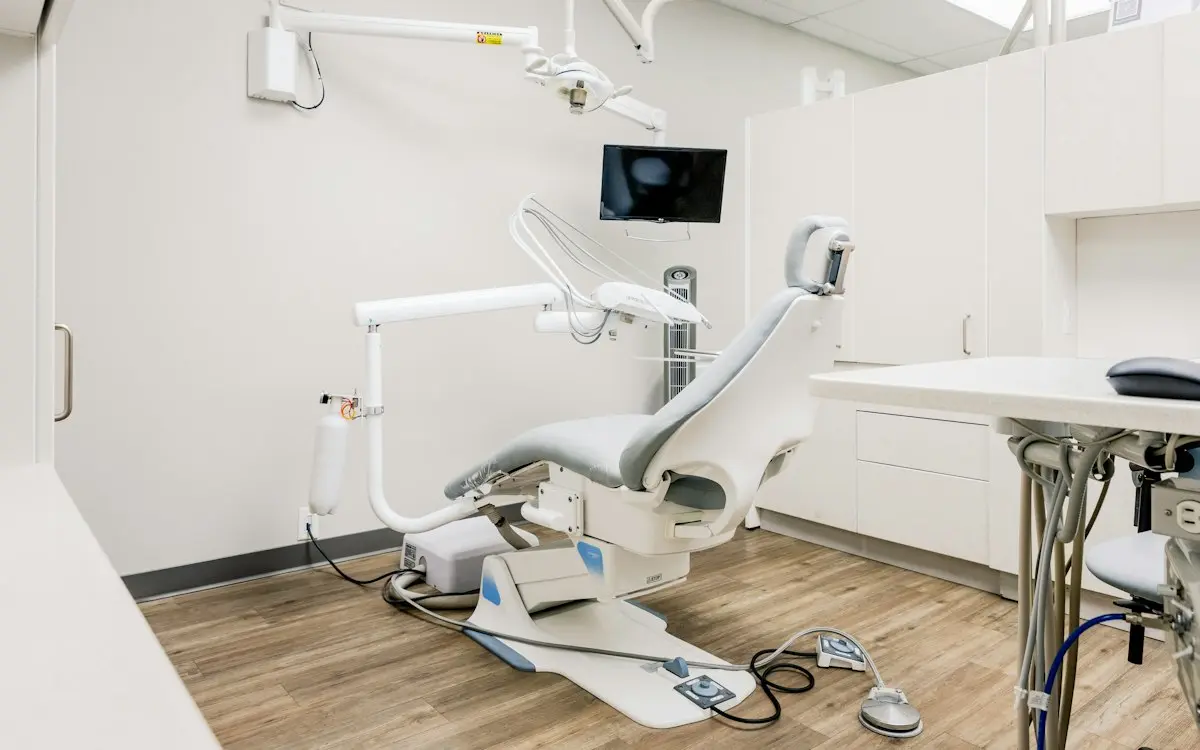
Most expats find the gap in German dental cover at the reception desk, holding a treatment plan (Heil- und Kostenplan) that says they owe several hundred euros for a crown. Germany's public health insurance (GKV) is strong for medical care. At the dentist it pays only for the cheapest medically sufficient option.
This guide shows what GKV pays, what common treatments cost, what supplementary dental insurance costs, and how to choose. If you may qualify for private health insurance, read that section first.
Quick answer: dental insurance in Germany (2026)
| What GKV pays for crowns, bridges, dentures | A fixed subsidy (Festzuschuss): 60% of the standard treatment, 70% with 5 years of Bonusheft stamps, 75% with 10 years |
|---|---|
| What you pay | Everything above that subsidy. Hardship cases can get up to 100% of the standard treatment |
| Cost of extra cover | Commonly roughly €10–40/month (indicative, depends on age, tier and insurer) |
| Waiting period | Often 3 months (general treatment) or 8 months (dentures, orthodontics). Many newer tariffs have none but cap payouts in the first years |
| Biggest rule | Buy before anything is diagnosed. Ongoing or advised treatment is excluded |
| Private health insurance | Most plans include dental cover, with percentages and caps that vary. Open to employees with regular pay above €84,150/year (2027; €77,400 in 2026) and to self-employed people |
What public insurance covers at the dentist
GKV works on the principle "ausreichend, zweckmäßig, wirtschaftlich": sufficient, appropriate, economical. The basics are covered:
- Check-ups: covered, normally twice a year
- Standard fillings: covered. For back teeth, the covered material follows GKV rules, and a better material may mean an extra charge. Ask your dentist what is billed to you before you agree.
- Extractions and root canals: covered when the tooth is considered worth keeping. Root canals on back teeth have extra conditions.
- Tartar removal: covered at set intervals
- Gum disease (periodontitis) treatment: covered after approval by your fund
- Children's braces: covered when the misalignment is medically significant, based on a national grading system
GKV does not fully cover professional teeth cleaning (some funds add a small voluntary subsidy), premium filling materials, and most of the cost of crowns, bridges, dentures, implants and adult braces.
The Bonusheft: how the subsidy rises
The Bonusheft is a booklet (often digital now) that your dentist stamps once a year at your check-up. It sets the percentage GKV pays toward dentures, crowns and bridges (§55 SGB V):
| Bonusheft record | GKV subsidy (share of standard treatment) |
|---|---|
| No unbroken record | 60% |
| 5 years of unbroken stamps | 70% |
| 10 years of unbroken stamps | 75% |
| Hardship case (low income) | Up to 100% |
Start your Bonusheft at your first German dental visit. Ask for one ("Bonusheft, bitte") and get a stamp every year. A missed year breaks the chain. It costs nothing.
Worked example: the Festzuschuss maths
The subsidy is a percentage of the standard treatment, not of the treatment you choose. Assume, for illustration only, that the standard treatment for your tooth is priced at €500 and you choose a ceramic crown that costs €1,000 in total:
- 60%: €500 × 0.60 = €300 subsidy, so you pay €1,000 − €300 = €700
- 70%: €500 × 0.70 = €350 subsidy, so you pay €650
- 75%: €500 × 0.75 = €375 subsidy, so you pay €625
The €500 and €1,000 are example amounts. Your Heil- und Kostenplan shows the real standard price and the subsidy for your case.
What treatments really cost
Treatment prices vary by practice, city, material and lab. The figures below are indicative, not a price list. The "with Zahnzusatz" column assumes a supplementary policy that pays 90% of the remaining cost, with no cap reached. Use your own Heil- und Kostenplan for the real figure.
| Treatment | GKV pays | You pay (GKV only) | You pay (with Zahnzusatz) | You pay (with private health insurance) |
|---|---|---|---|---|
| Check-up | Full cost | €0 | €0 | Plan-dependent, usually €0 |
| Professional cleaning | Usually nothing | Full price per session | Often 1–2 sessions per year reimbursed | Plan-dependent |
| Ceramic crown (~€1,000) | Subsidy of 60–75% of the standard treatment | Several hundred euros (see example above) | About 10% of the amount left after the subsidy | Depends on the plan's percentage and caps |
| Implant + crown (~€3,000) | Subsidy for the standard treatment only (for example a bridge) | Often well over €1,000 | The amount left after the subsidy, minus your policy's share and caps | Depends on the plan's percentage and caps |
| Adult braces (~€5,000) | Nothing, except severe jaw cases | Full price | Only if the tariff includes orthodontics, often with a cap | Plan-dependent |
Supplementary dental insurance (Zahnzusatzversicherung)
A Zahnzusatzversicherung is a private add-on policy that sits on top of GKV. You pay the premium to the insurer, not to your Krankenkasse. After a treatment, GKV pays its subsidy first and the supplementary policy pays its share of what remains.
What it costs
Premiums depend on your age at signup, the tier and the insurer. As an indicative market range, many people pay roughly €10–40/month. Younger applicants pay less. Ask for a quote for your exact age, and check how the premium changes as you move through age brackets.
Coverage tiers
- Around 80% tier: covers most of a crown, but you still pay a noticeable amount on an implant
- Around 90% tier: strong cover for crowns and implants, often with professional cleaning included
- 100% tier: full top-up including higher-end materials, and sometimes some adult orthodontics
The percentage applies to the amount left after the GKV subsidy, and is limited by the caps in your tariff.
How to pick the best dental plan
There is no single best plan, because the right one depends on your age, your teeth and how long you will stay. Compare these points in the tariff terms, not only the monthly price:
| Check | What to look for |
|---|---|
| Independent rating | Stiftung Warentest (Finanztest) tests dental supplements regularly. Start with tariffs it rates well. |
| Waiting period | None is best. Otherwise note the wait for dentures and orthodontics (commonly 8 months). |
| First-year caps (Zahnstaffel) | The maximum payout in the early years. A cheap tariff with low caps can pay little when you need it. |
| Implants and orthodontics | Are they covered, at what percentage and with what cap? |
| Professional cleaning | Included per year? It can cover part of the premium by itself. |
| Ageing reserves | Tariffs with Altersrückstellungen start higher and rise less with age. Tariffs without them can rise as you get older. |
| English support | English-language contract, claims and customer service if you do not speak German. |
| Claim speed | How you submit invoices (app or post) and how long reimbursement usually takes. |
Your Krankenkasse's own add-on is not automatically best. It is convenient, but compare it with the open market on caps, waiting periods and benefits.
If you want an independent view, MyHealthcareBroker's independent consultants can talk you through the options in English.
Waiting periods, caps and exclusions
- Waiting periods (Wartezeit): commonly 3 months for general treatment and 8 months for dentures and orthodontics. Many current tariffs have no waiting period at all.
- Payout caps (Zahnstaffel): tariffs with no waiting period often limit what they pay in the first years. Read the cap table before you sign.
- Pre-existing and ongoing treatment is excluded. If your dentist has already advised a crown on a tooth, no policy will pay for it. Signing up after a treatment plan and then claiming for it is insurance fraud.
- Missing teeth: you are usually asked about missing teeth and past treatments. Some tariffs exclude replacing teeth that were already missing.
- Honest answers: wrong answers to health questions can void your cover when you claim.
These are market practice, not statutory rules. Contract terms differ, so check the tariff documents.
Braces and orthodontics
Children: GKV covers braces when the misalignment is medically significant under its national grading system. Cosmetic extras, such as clear aligners or special brackets, are normally paid by the family.
Adults: GKV pays nothing for braces or aligners, except in severe cases involving jaw surgery. Cover comes only from a supplementary policy that includes orthodontics, and this usually has a long waiting period (often 8 months) and a payout cap. Sign well before you book a consultation. Once a dentist has recommended braces, the treatment counts as already advised.
For a child, ask for quotes before the first orthodontist visit. Many insurers offer a separate children's tariff.
Is dental insurance necessary in Germany?
It is not mandatory. Whether it pays off depends on your situation.
It is usually worth considering if:
- You plan to stay in Germany for several years
- You have a history of fillings or root canals, since those teeth often need crowns later
- You want adult braces and can find a tariff that covers them, signed well in advance
- You want professional cleaning reimbursed
It is probably not worth it if:
- You will leave within a year or two. Waiting periods and early caps mean you may pay in more than you can claim.
- You already have a treatment plan. The policy will not cover it. Get a second quote instead.
- You are about to switch to private health insurance, which makes a separate dental policy redundant.
Private health insurance and dental: a different route
If you qualify for private health insurance, most comprehensive plans include dental cover in the main policy, so you often need no separate dental premium, and the GKV Bonusheft subsidy does not apply. Some tariffs sell stronger dental cover as an optional module. Reimbursement percentages, caps and waiting rules depend on the plan, so compare them in the tariff, as with a supplement.
Who can go private (2026):
- Employees whose regular annual income is above €84,150 (€7,012.50/month) from 1 January 2027 (€77,400 in 2026), the general income threshold (JAEG). The 2027 figure was approved by the federal cabinet and still needs Bundesrat approval, expected in November 2026. Existing employees become exempt at the end of the calendar year in which they exceed it, if they are expected to exceed the next year's threshold too
- Self-employed people and freelancers, whatever their income
- Civil servants and some exempt students
What the higher 2027 threshold means for you is explained in our guide to the health insurance income threshold 2027.
Private health insurance is a long-term decision. Premiums depend on your age and health at entry, and returning to GKV later can be hard, especially from age 55. Read the public vs. private comparison and the eligibility guide before you decide.
If you may qualify, decide on this first. Buying a Zahnzusatzversicherung and switching to private cover soon after may mean paying for cover you no longer need.
Check if I qualify for private health insurance →
Claims, cancelling and use abroad
How a claim works
- Get a Heil- und Kostenplan from your dentist before major work.
- Send it to your GKV fund for approval of the subsidy. Some insurers also want to see it first.
- Have the treatment done. The fund's subsidy is normally applied in the dentist's bill, and you pay the rest.
- Send the final invoice to your supplementary insurer, by app or post. Reimbursement time varies by insurer, so ask before you sign.
Cancelling
Notice periods and minimum terms differ by contract. Check yours before signing, and ask whether the insurer can raise your premium and what your rights are then. If you leave Germany, check how the contract treats a move abroad.
Treatment abroad
Whether a supplement pays for dental work outside Germany depends on the tariff. Some cover it in the EU or worldwide, some only in Germany. Check the "Geltungsbereich" (territorial scope) clause if you travel or may relocate.
Finding an English-speaking dentist
In large cities many dentists work in English. Practical ways to find one:
- Doctolib: filter by spoken language, read reviews and book online
- Your embassy's website: several embassies list English-speaking dentists
- Regional dental associations (KZV): searchable directories, often with language filters
- Expat groups: city-specific Facebook and Reddit groups
Always ask for the Heil- und Kostenplan before major work, and get a second opinion for larger plans. Prices for the same crown differ between practices.
FAQ
Is dental insurance necessary in Germany?
No, it is optional. GKV covers basic dental care, but for crowns, bridges, implants and dentures it pays only a fixed subsidy of 60–75% of the standard treatment. Dental insurance helps cover the rest, if you buy it before problems are diagnosed.
How much does dental insurance cost in Germany?
As an indicative range, many people pay roughly €10–40/month for a supplementary policy. The price depends on your age at signup, the coverage tier and the insurer. Get quotes for your age.
Does public health insurance cover dental in Germany?
Partly. Check-ups, standard fillings and medically necessary extractions are covered. For dentures, crowns and bridges GKV pays a Festzuschuss of 60% of the standard treatment, 70% with 5 years of Bonusheft stamps and 75% with 10 years. Adult braces are not covered.
What is the best dental insurance for expats?
It depends on your age, teeth and stay. Compare waiting periods, first-year payout caps, implant and orthodontics benefits, and English support. Start from tariffs that independent tests rate well rather than from price alone.
Is there a waiting period for dental insurance?
Often. Common waiting periods are 3 months for general treatment and 8 months for dentures and orthodontics. Many current tariffs have no waiting period but limit payouts in the first years.
Does dental insurance cover implants and braces?
Implants are usually covered by better tariffs, at the tariff's percentage and within its caps. Adult braces are covered only if the tariff includes orthodontics. GKV pays nothing for adult braces except in severe jaw cases. Treatment already advised before signing is excluded.
What is the Bonusheft?
A booklet your dentist stamps at your yearly check-up. Five unbroken years raise GKV's subsidy for dentures and crowns from 60% to 70%, and ten years to 75%. Start it at your first dental visit in Germany. For the wider picture, see our health insurance overview.
Can I cancel dental insurance anytime?
Not always. Many contracts have a minimum term and a notice period, which differ by insurer. Check both in the contract before you sign.
Sources
- §55 SGB V, Festzuschuss and Bonusheft rules
- §6 SGB V, income threshold (JAEG) and exemption from compulsory insurance
- Deutsche Rentenversicherung, social security figures 2026
- 2027 figures: approved by the federal cabinet on 7 October 2026 (Bundesrat-Drs. 576/26), Bundesrat approval pending
Still not sure which insurance fits you?
Independent, English-speaking consultants compare the whole market for you. Free, no commitment, honest about when not to switch.