What Nobody Tells You About Expat Life in Germany
The bureaucracy, the friendships, the Sunday silence, and the moment Germany finally starts to feel like home.
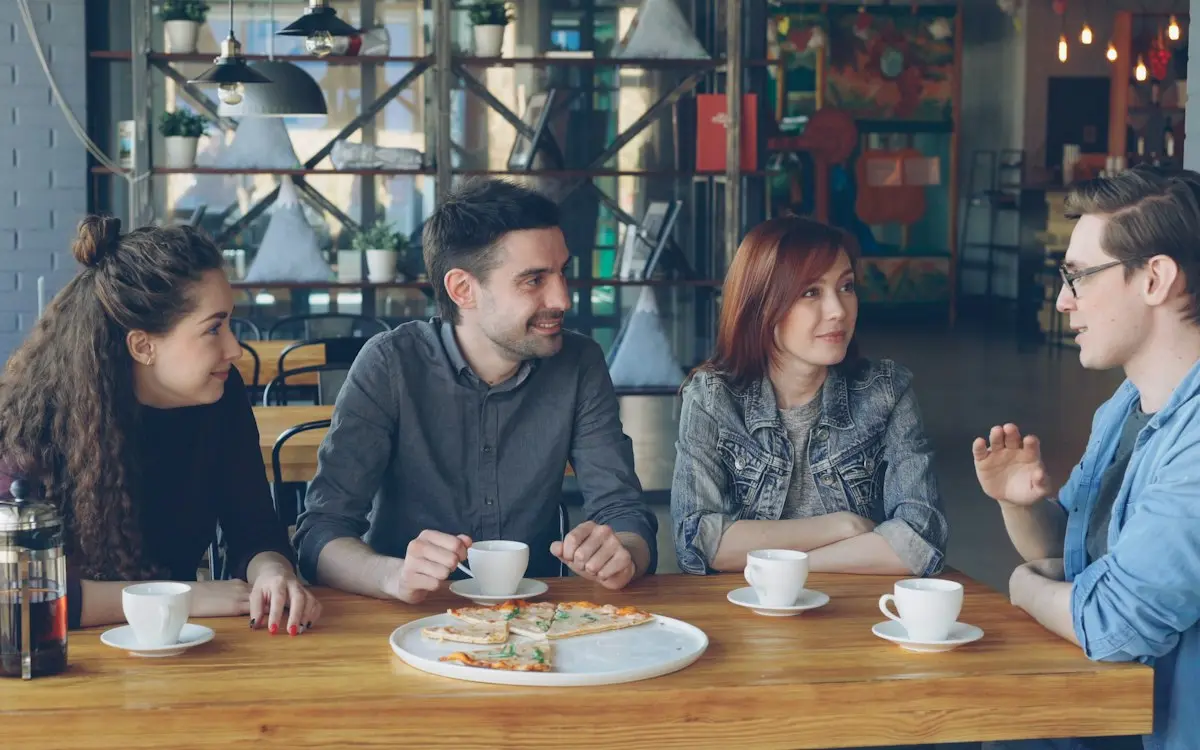
There are things you read in the relocation guides, register your address, get health insurance, open a bank account. Then there are the things nobody writes down, because they are harder to explain. Here is what expats wish someone had told them before they moved to Germany.
The bureaucracy is real, but survivable
Germany's administrative system is thorough. Everything requires a form. Many forms require other forms. Some offices still require you to appear in person. Appointments can be booked weeks in advance. The Bürgeramt, the Ausländerbehörde, the Finanzamt, these become familiar characters in your life.
The advice that actually helps: make a list of everything you need to do in the first 30 days, tackle it in order, and accept that it will take longer than expected. Once the initial setup is done, day-to-day life in Germany is actually quite smooth. It is the onboarding that is intense.
Also: bring more documents than you think you need. Germans love originals. Certified copies of certified copies are not unusual.
Making German friends takes longer than you expect
This is the thing expats mention most. Germans are not unfriendly, but they are reserved. Workplace colleagues are polite and professional without necessarily becoming friends. Neighbours may smile and wave for years without inviting you in.
The way most expats build genuine local friendships: clubs, sports teams, regular activities where you see the same people repeatedly over months. Joining a Sportverein (sports club), a choir, a board game group, or a local hobby club is genuinely how it happens. Show up consistently, and the relationships develop naturally.
The expat community (which is large in cities like Berlin, Munich, Hamburg, and Frankfurt) provides a social safety net in the meantime. Don't feel embarrassed to lean on it, it's full of people in the same situation as you.
Sunday will change you
The first few Sundays are disorienting. Everything is closed. The streets are quiet. There is nothing you can buy except maybe a Döner or a bakery roll. What do you do?
After a few months, you realise: you walk. You cycle. You have long brunches. You read. You visit a park or a lake. You sit in a café for two hours over one coffee without anyone rushing you.
Most expats who have lived in Germany for several years describe Sunday as one of their favourite things about the country. It forces rest in a way that modern life rarely does.
Cash is still king
Germany is significantly more cash-oriented than the UK, Scandinavia, or the US. Many restaurants, smaller shops, and market stalls are cash-only. Some still don't accept Visa. Always have some euros on hand, you will need them more than you expect.
The explanation is cultural, not technological: Germans are privacy-conscious and historically cautious about financial surveillance. Cash transactions leave no trace.
The health system is excellent, but confusing at first
Germany's healthcare is genuinely world-class. Wait times for specialist appointments are longer than in the UK's private sector but shorter than NHS waits. Pharmacies (Apotheken) are on every corner and pharmacists are highly trained, they can advise on most minor ailments without a GP appointment.
The confusing part: navigating public (GKV) versus private health insurance, understanding what your plan covers, finding a doctor accepting new patients (Kassenarzt). All of this takes some initial effort, but the system rewards that effort once you understand it.
If you earn over €84,150/year (from 2027; €77,400 in 2026), you have the option to leave the public system and join private health insurance, which often means significantly lower premiums and shorter specialist waiting times. The 2027 figure was approved by the federal cabinet and still needs Bundesrat approval, expected in November 2026. Our health insurance guide explains the full picture.
The moment it clicks
Almost every long-term expat describes a specific moment when Germany stopped feeling like a foreign country and started feeling like home. It is different for everyone, ordering something complex in German and being understood, having a proper conversation with a neighbour, knowing exactly which supermarket has the best bread.
Much of that gap comes from small habits, so it helps to read about the cultural differences expats notice first in Germany. It usually takes 12–24 months. The first year is exciting and disorienting. The second year is when you start to actually settle. By year three, most people stop thinking of themselves as expats living abroad and start thinking of themselves as people who live in Germany.
"I came for two years and stayed for seven. I think Germany is what happens when you give structure and reliability a chance, you realise how much you needed them.", expat from Australia, living in Hamburg
The things worth embracing early
- Get a bike. Cycling infrastructure in German cities is excellent and it changes how you experience the city.
- Find your bakery. A good local Bäckerei becomes a cornerstone of daily life.
- Learn to separate your rubbish properly. It sounds trivial; it eliminates a source of low-level stress.
- Get a German bank account (N26, Deutsche Bank, Sparkasse, all work). Many landlords require one.
- Use the public transport apps (DB Navigator, BVG in Berlin, MVV in Munich). They work well once you understand them.
Just arrived? Our most-read guides: Anmeldung (address registration), health insurance in Germany, and opening a German bank account.