Culture Shock: What Expats Notice First About German Culture
From Ruhezeit to direct communication, understanding the unwritten rules of German society that nobody tells you before you move.
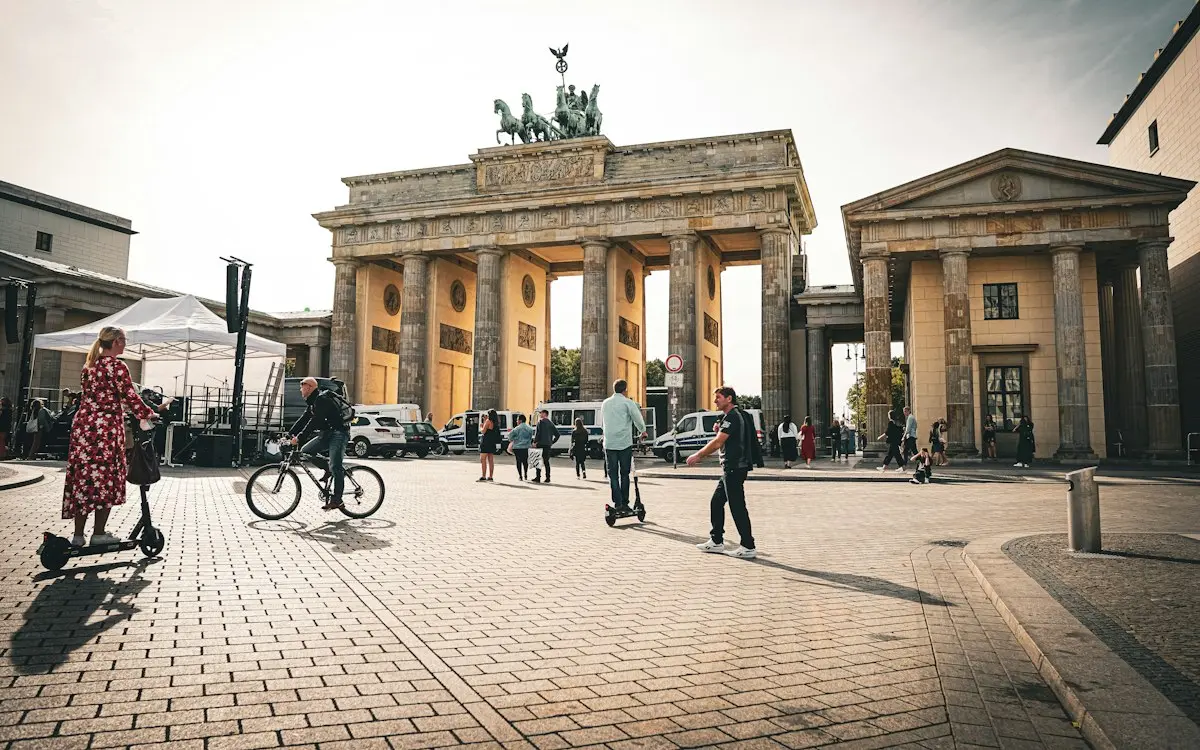
Moving to Germany is exciting. But somewhere between registering at the Bürgeramt and navigating your first supermarket checkout (where the cashier stares at you while you desperately stuff groceries into your bag), you realise that German culture has its own unwritten rulebook, and nobody handed you a copy.
Here are the cultural differences expats notice most, and what they actually mean once you understand them.
What are the main cultural differences in Germany?
Expats most often notice seven things: blunt communication, strict quiet hours, a strong respect for rules, private friendships, exact punctuality, closed shops on Sundays and a formal Sie/du split. Each one has a clear reason behind it, and each is easy to handle once you know it.
| Topic | What to expect | Source |
|---|---|---|
| Sundays | Sundays and recognised holidays are legally protected as days of rest from work. Shop opening hours are set by each state, and in practice most shops close. | Art. 140 GG with Art. 139 WRV |
| Outdoor noise | Listed outdoor equipment (many garden machines) may not run on Sundays and public holidays, or on weekdays from 20:00 to 07:00, in residential areas. | 32. BImSchV, section 7 |
| Bottle deposit | At least €0.25 per single-use drink bottle or can. Retailers take empties back and refund the deposit. | VerpackDG, section 46 |
| Cash | Cash made up 51% of payments by number and 26% by value in 2023, down from 58% by number in 2021. | Bundesbank, Zahlungsverhalten 2023 |
Is German directness rude?
No. Directness is a way of showing respect for your time and intelligence. A German colleague who says "that report has mistakes" is giving you useful information, not attacking you. Expect plain feedback without the softening phrases common in the UK, the US or East Asia.
There is no softening layer of "great effort, but perhaps we could consider...". The feedback is just delivered plainly.
Once you re-calibrate, this is actually a relief. You always know where you stand. There is no wondering what someone "really meant" or reading between polite lines. It also works in reverse: say what you mean, briefly and clearly.
What is Ruhezeit and when are quiet hours in Germany?
Ruhezeit means quiet time, and Germans treat it as a real rule. There is no single national schedule. Night rest in flats is usually set by your house rules (Hausordnung) and local rules, with Sundays and public holidays kept especially quiet. Check your own Hausordnung on day one.
At federal level, listed outdoor equipment is banned on Sundays and public holidays and on weekdays from 20:00 to 07:00 (see the table above). Noisy DIY on a Sunday afternoon? Your neighbours will tell you directly, as in the previous section.
Loud music, drilling and mowing are the usual triggers. It sounds restrictive, but most expats come to appreciate the enforced Sunday calm.
Do Germans really follow rules that strictly?
Yes, and they expect you to as well. Rules are seen as shared agreements that make daily life predictable, so people follow them even when nobody is watching. Waiting at a red pedestrian light at 2am is normal. Sorting your waste correctly is expected.
Separate your recycling into the correct bins (Gelber Sack, Papiertonne, Restmüll, Biotonne) or your bin may be left uncollected with a sticker explaining the error.
Bottles are a good example. Single-use bottles and cans carry a deposit (Pfand) of at least €0.25, and you get it back at the supermarket machine. Many people keep a bag of empties for the next shop.
This is not uptightness for its own sake. It comes from a genuine belief that society works better when everyone follows agreed-upon systems. Once you accept this, life in Germany becomes surprisingly smooth.
Why are Germans private, and how do you make friends?
Germans keep a clear line between acquaintances and friends, so friendships form slowly. Daily greetings from a neighbour do not mean an invitation is coming. Once someone calls you a friend, the bond is usually real and lasting. Join clubs (Vereine) and keep showing up.
Germans generally prefer a few deep friendships over a large social network of acquaintances. Do not mistake professional courtesy for closeness.
The same value applies to personal data. Germans are historically cautious about surveillance and data collection, and Germany's data protection laws are among the strictest in the world. It is one reason many people still like to pay in cash. A Bundesbank study found that cash was used for 51% of payments by number in 2023, but only 26% by value, so carry some euros for bakeries, markets and small restaurants. If you still need an account, see our bank account guide.
How important is punctuality in Germany?
Very important. Arrive at the agreed time, not later and not much earlier. Being late without notice reads as disrespect, because it suggests your time matters more than theirs. If you will be late, send a message as early as you can. A 09:00 meeting starts at 09:00.
If you are invited for dinner at 19:00, arrive at 19:00. Not 19:15, not 18:45. Showing up too early can also cause stress for your host, who may still be cooking.
The same applies to appointments at offices. If you are booking your Anmeldung appointment, arrive a few minutes early with your documents ready.
Why are shops closed on Sundays in Germany?
Because Sunday is legally protected as a day of rest. The German constitution keeps Sundays and recognised holidays as days free from work, and each state sets its own shop opening hours within that frame. In practice, supermarkets and most shops stay closed all day.
This shocks many expats, especially those from countries where Sunday is prime shopping time. Petrol stations and some bakeries stay open, but your supermarket will be firmly shut. Buy what you need on Saturday. See our public holidays guide for the days when everything closes.
The upside: Sunday genuinely feels different. Parks fill up, families go cycling, and the city slows down in a way that, once you stop panicking about what you forgot to buy on Saturday, is actually quite pleasant.
Should you use Sie or du in Germany?
Use Sie, the formal "you", with strangers, older people and in traditional workplaces until someone offers du. Du is informal and used with friends, family and in many modern companies. If you are unsure, let the German person make the first move and follow their lead.
Using du with someone you have just met professionally can come across as presumptuous. In offices, the younger generations have largely shifted to du across the board, but in more traditional environments, or with older colleagues, default to Sie.
Many companies now explicitly adopt a "Du-Kultur" and will tell you on the first day. If you want to learn the basics fast, start with our week one German phrases and the learning German guide.
Does culture shock get easier over time?
Yes. Most expats follow the same arc: frustration (why is everything so rigid?), then understanding (this actually makes sense), then appreciation (I kind of love the quiet Sundays). Many people feel settled after a few months. Learning basic German and joining local groups speeds it up.
German culture rewards patience, honesty, and reliability. Once you stop fighting the system and start working with it, you often find it more liveable than the chaos you left behind. For the wider picture, read our expat life guide and German food culture.
Cultural differences in Germany: FAQ
What is the biggest culture shock in Germany?
Most expats name directness, closed shops on Sundays and strict rule-following. Feedback is blunt but not meant personally, almost all shops shut on Sundays, and rules such as quiet hours and recycling are taken seriously. Most newcomers adjust within a few months once they know the unwritten rules.
Are Germans rude or just direct?
Just direct. German communication puts clear information ahead of softening phrases, so a colleague who says a report has mistakes is being practical, not hostile. Do not read bluntness as dislike. A short, plain answer from you will be read as respectful and efficient.
What are the quiet hours (Ruhezeit) in Germany?
There is no single national schedule. Federal rules ban listed outdoor equipment such as many garden machines on Sundays and public holidays and on weekdays from 20:00 to 07:00. Night rest in flats is usually set by your house rules (Hausordnung) and local rules, so check yours.
Do I need cash in Germany?
It helps. A Bundesbank study found cash was used for 51% of payments by number in 2023, though only 26% of spending by value. Cards are common in cities, but small bakeries, markets and some restaurants still prefer cash, so carry some euros.
Should I use Sie or du with Germans?
Use Sie with strangers, older people and in formal work settings until someone offers du. Many companies, especially startups, use du with everyone from day one. If you are unsure, let the German person suggest the switch, since that is the safe default.
Why do I pay a deposit on bottles in Germany?
Single-use drink bottles and cans carry a deposit (Pfand) of at least €0.25 each. You get it back by returning the empty container to a retailer, usually at a machine. Reusable glass bottles often carry a smaller deposit, set by the drinks industry rather than by law.
New to Germany? Our expat guides cover everything from Anmeldung to health insurance, in plain English. Planning your move? Start with moving to Germany and the cost of living.
Sources
- Grundgesetz, Art. 140 (incorporating Art. 139 Weimar Constitution on Sunday rest), Federal Ministry of Justice
- 32. BImSchV (Geräte- und Maschinenlärmschutzverordnung), section 7, Federal Ministry of Justice
- Verpackungsrecht-Durchführungsgesetz (VerpackDG), section 46 (deposit on single-use drink packaging), Federal Ministry of Justice
- Deutsche Bundesbank, Zahlungsverhalten in Deutschland 2023